 14 DAY TRIAL //
 The source of the youngness is not located in Shangri-La, the mythical place on Himalaya where people never got old. The heaven of longevity is encountered in the Japanese island of Okinawa, which, besides detaining the record of longevity and centenaries of the world, is the only place on the planet where 80-90 years olds live like persons 30 years younger.
Ancient Chinese legends already called Okinawa "the land of the immortals". Thousands of people saw it: 7 years ago Seikichi Uehara, 96, defeated an ex box champ in his 30's. Or the case of Nabi Kinjo, 105, that killed with a flyswatter a poisonous snake� Here you see 100 years old persons that do not even think about retirement.
There are 457 persons on Okinawa aged 100 or over, an average of 35 for each 100,000 inhabitants. It is the highest in the world.
If Japanese people live longer than any other nation, the Okinawa inhabitants reach ages that take by surprise even the other Japaneses: an average of 86 for women and 78 for men.
But the real shocking factor is not that Okinawa people reach these ages, but that they get old in a much better state. The statistics reveal a significantly lower risk of heart attack and stroke, cancer, osteoporosis, Alzheimer� And some Okinawans on their 90's ensure and reinsure that they still have sex life (without Viagra). Even if scientists insist that this has not been tested scientifically.
After decades of research, medics and anthropologists reached the conclusion that there are two main factors behind the longevity in this island: alimentation and a healthy lifestyle that experts believe that can be imitated. The aliments eaten by the Okinawans can be found everywhere, even if there may be also something about the soil of the island.
The traditional diet of Okinawa consists in portions made of a bowl of cooked food and a fruit. Okinawans eat daily seven portions of vegetables and fruits, seven of cereals and two of soy products. They take various portions of fish weekly and very sporadically meat and dairy products. Overall, their diet is low in calories and contains a lot of vegetables.
Okinawa, the main island of a tropical chain of 160 coral islets called Ryukyu, has a volcanic soil, whipped by typhoons and torrential rains, and has not ever lived in peace or stayed away from epidemics.
During the Second World War, it was the scene of fierce of a crucial battle. Today, the US military bases occupy 20 % of its surface and the Okinawa Prefecture is the poorest province of Japan.
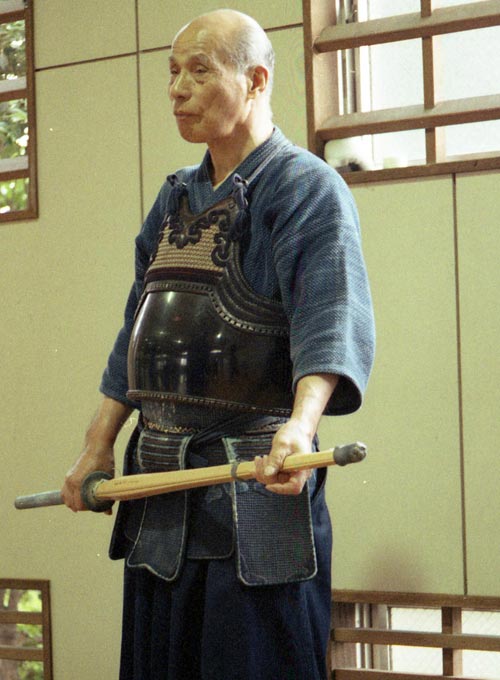
With all that they have experienced, the elder of Okinawa have surprisingly low depression levels. On the streets of Okinawa you can see persons aged 90-100 on motorcycles or mountain bikes, which practice karate, kendo, dance, walk several kilometers daily, and even work on vegetable gardens and after that sell their vegetables.
But remember, these people do not go to fitness gyms (there are no such things in Okinawa) nor do they practice jogging; they can practice the profound respiration, the tai-chi, and gardening or other activities in the open that affect positively the stress level.
They are rather preoccupied by hobbies, but linked to a social network, that makes them feel connected to the environment and their fellows and develop their spiritual side. Physical activity is not isolated, but it has an objective, making the elders feel active members of the community.
Another factor in Okinawa is that people take care mutually of each other, forming more coherent and supportive links than in the western world. And above all, they have a positive attitude towards life. That explains the extremely low levels of stress experienced by these elders.
Of course, there may be a genetic factor contributing to this vitality.
During the XXth century, 100,000 Okinawans migrated to Brazil, where they adopted the Brazilian diet, rich in meat. The result was that their average lifespan lowered with 17 years. When the Okinawan youth started to go to American Fast-Foods and Pizza Bars, which surround the American bases, the obesity levels, cardiovascular diseases and premature deaths of the young reached records in Japan.
Okinawa did not escape the trading trends: in the center of the island, there is now a big store with a big hanging poster "Okinawa, the world capital of the longevity" which offers the ingredients of the longevity: brown sugar "made of Okinawa cane", kombu, tofu and other products, supposed to prolong your life �