 14 DAY TRIAL //
 Afterburners are generally used to provide additional power to reaction engines, commonly known as jet engines, whenever it is necessary. Reaction engines, which are some sort of turbine engines, work by compressing atmospheric air gathered through the air intake of the engine and using it to create a combustible mix along with the fuel, which is then lit. The rapid expansion of the combustible mix generates thrust and power for the turbine at the same time, which in turn drives the compressor.
The preferred fuel in the case of jet engines is kerosene. However, in modern jet engines the simple expansion of the combustible mix in the combustion chamber, although an extremely efficient process, may not be enough to generate a specific level of thrust. This is where afterburners come in.
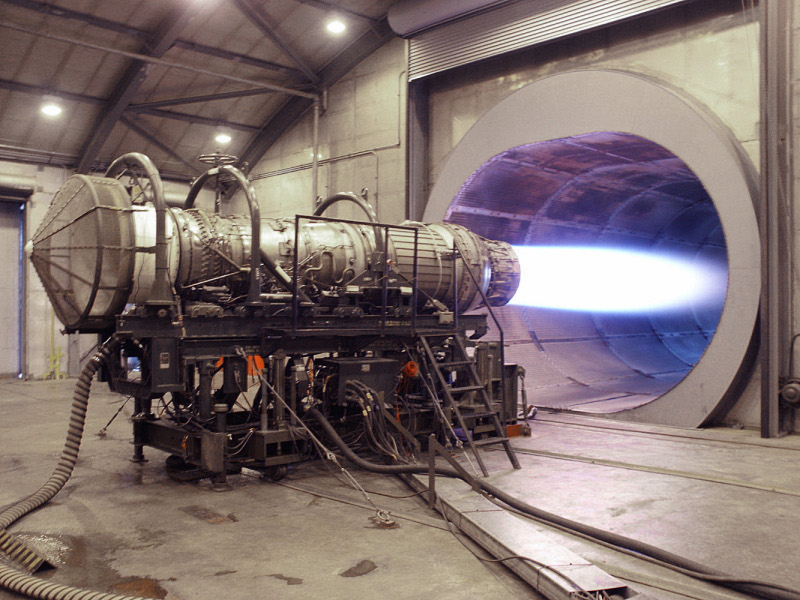
Since most of the oxygen absorbed by the air intake of the engine can be found in the exhaust gases of the thrust jet and the gases are still hot enough, fuel can be injected directly into the exhaust stream where it lights up and starts consuming the remnant oxygen. As a result, the thrust of the engine can be increased by at least 50 percent.
The system used to inject the fuel in the thrust jet is called afterburner.
The afterburner system is extremely light and of low complexity, which is an advantage in case it's used to equip fighter aircrafts, for example. It is basically built of a series of tubes - used to carry fuel -, a set of fuel injectors, a flame holder - to contain the burning fuel - and an adjustable nozzle, allowing the jet engine to work properly with or without the afterburner on.
As I said earlier, jet engines are extremely efficient. The problem with afterburners is that they are not. Although they produce a relatively high amount of extra thrust, afterburners are renowned for guzzling large amounts of fuel in short amounts of time. Therefore, airplanes only use the afterburner system for takeoffs and landings on short runways, or in the case of fighter planes to achieve a higher velocity while engaged in dogfights.