
|
SHARE:
Adjust text size: 
|
|
The following article will list five of the best alternative operating systems to the popular Ubuntu OS, personally selected by the author.
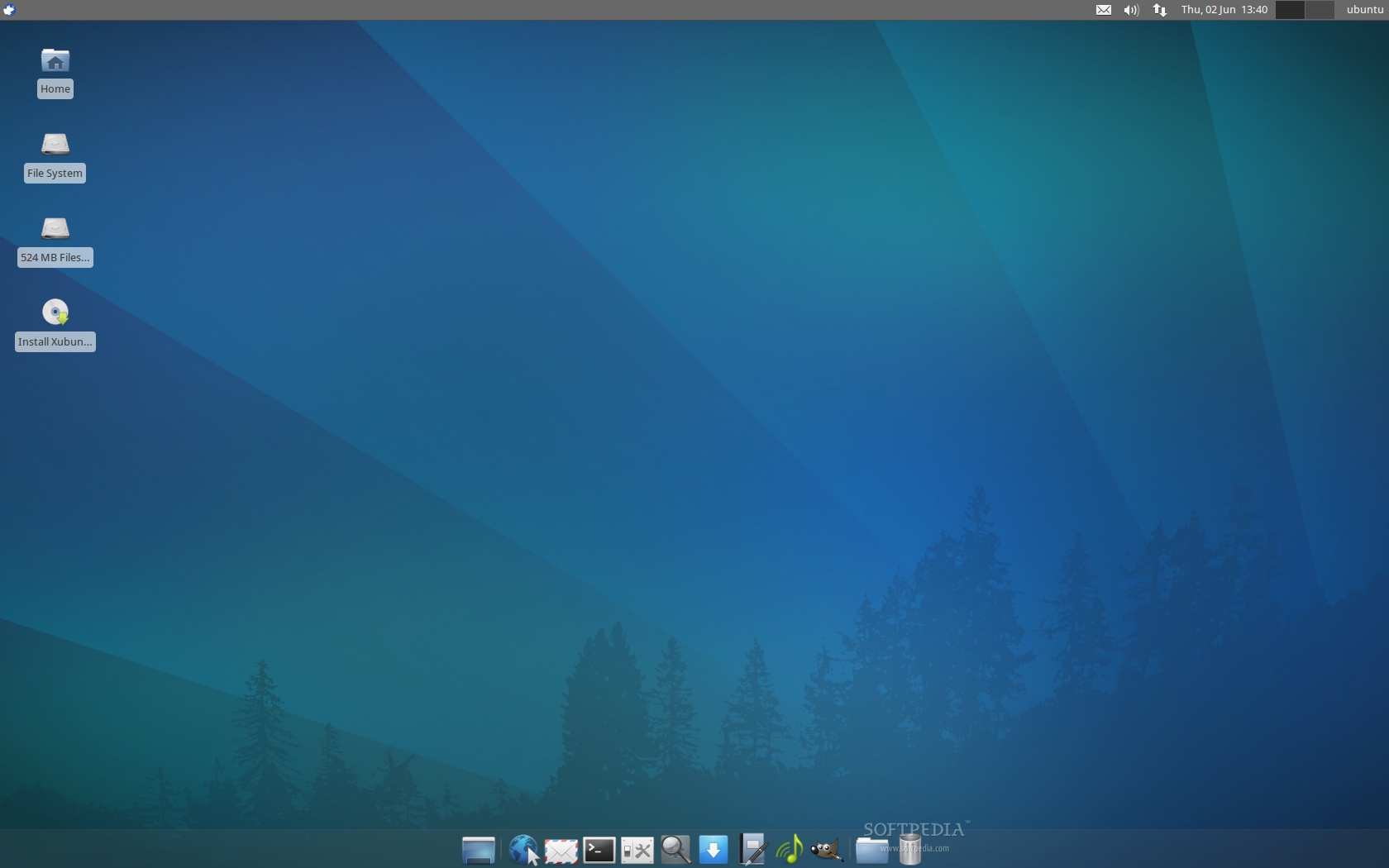
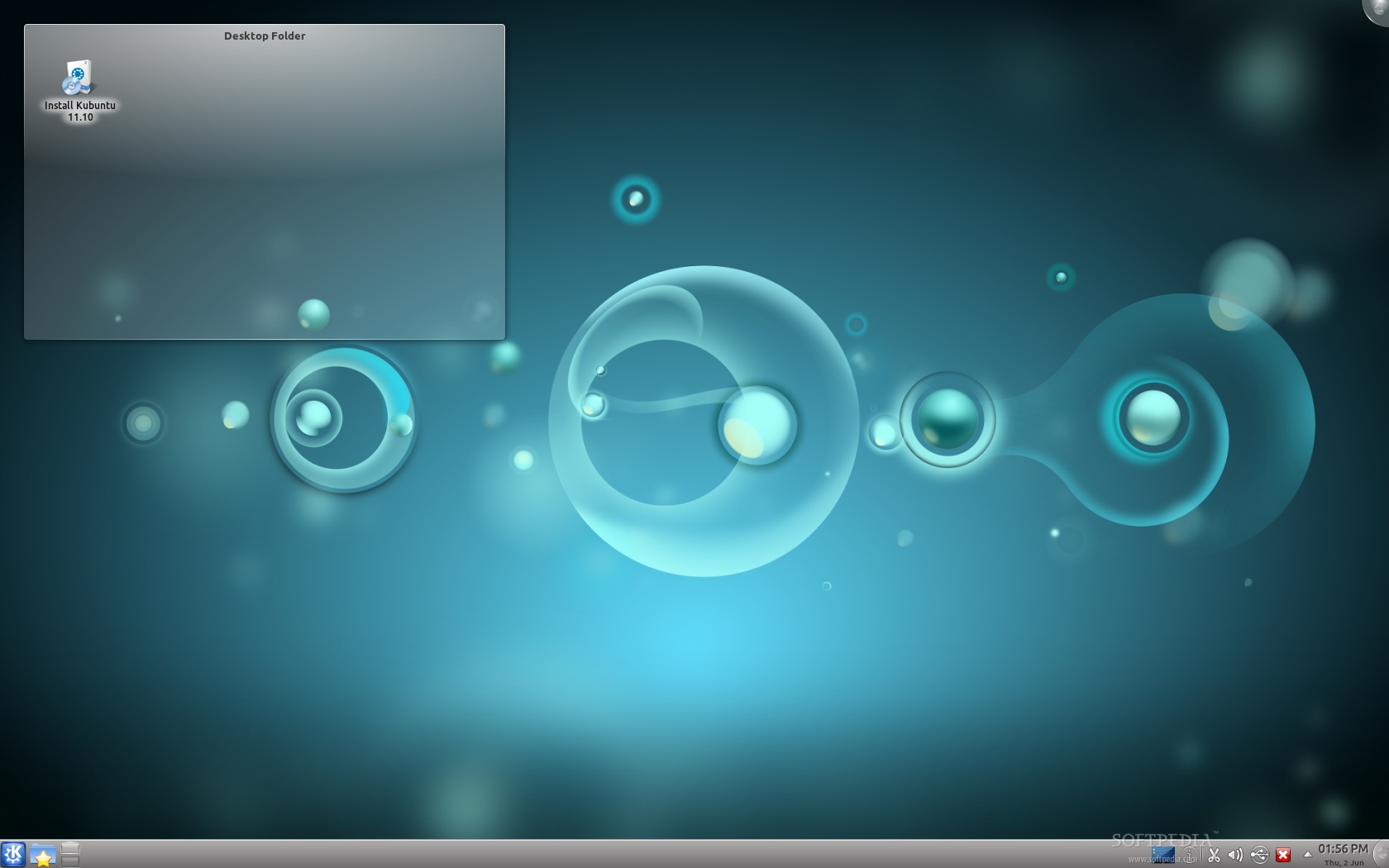
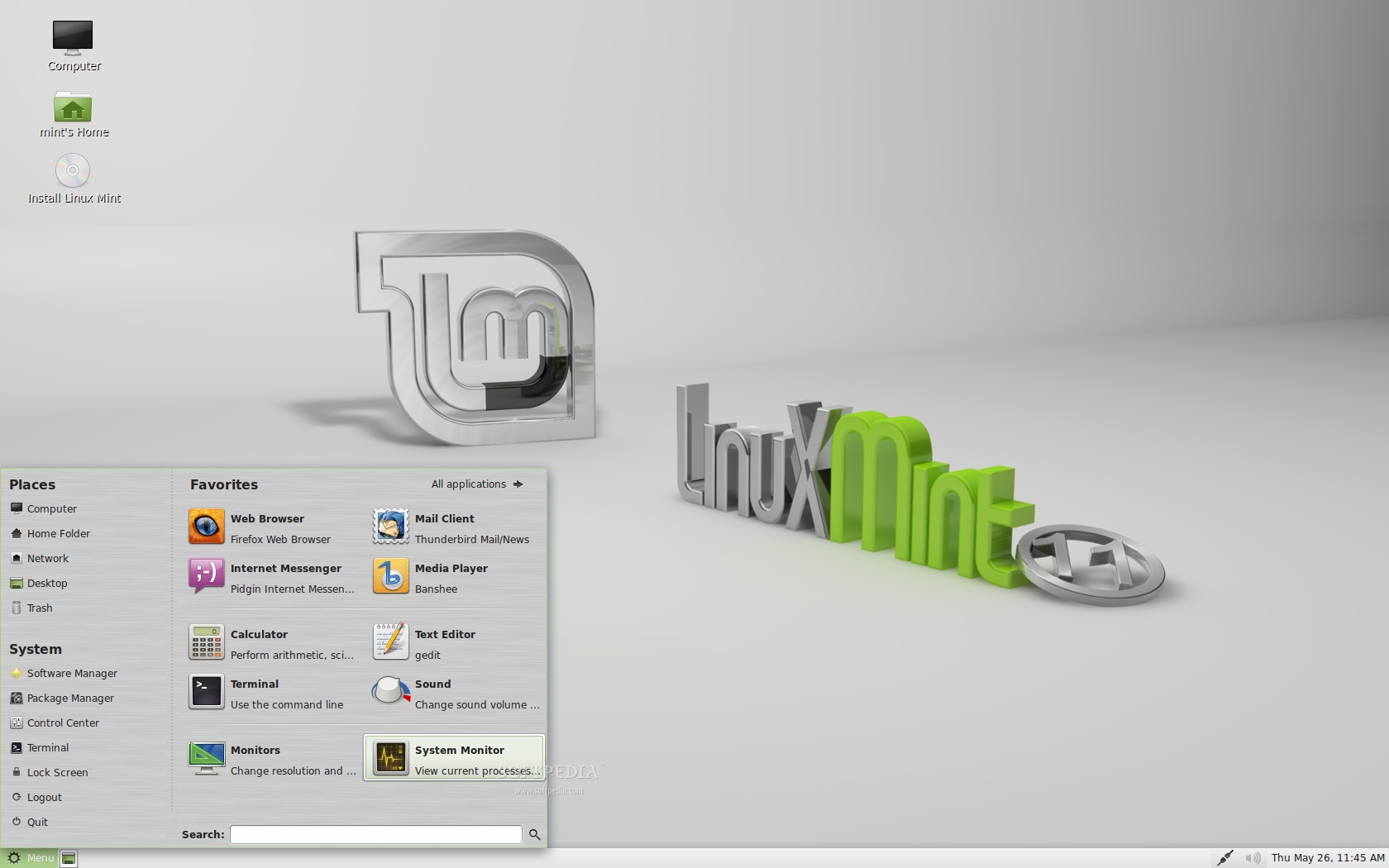
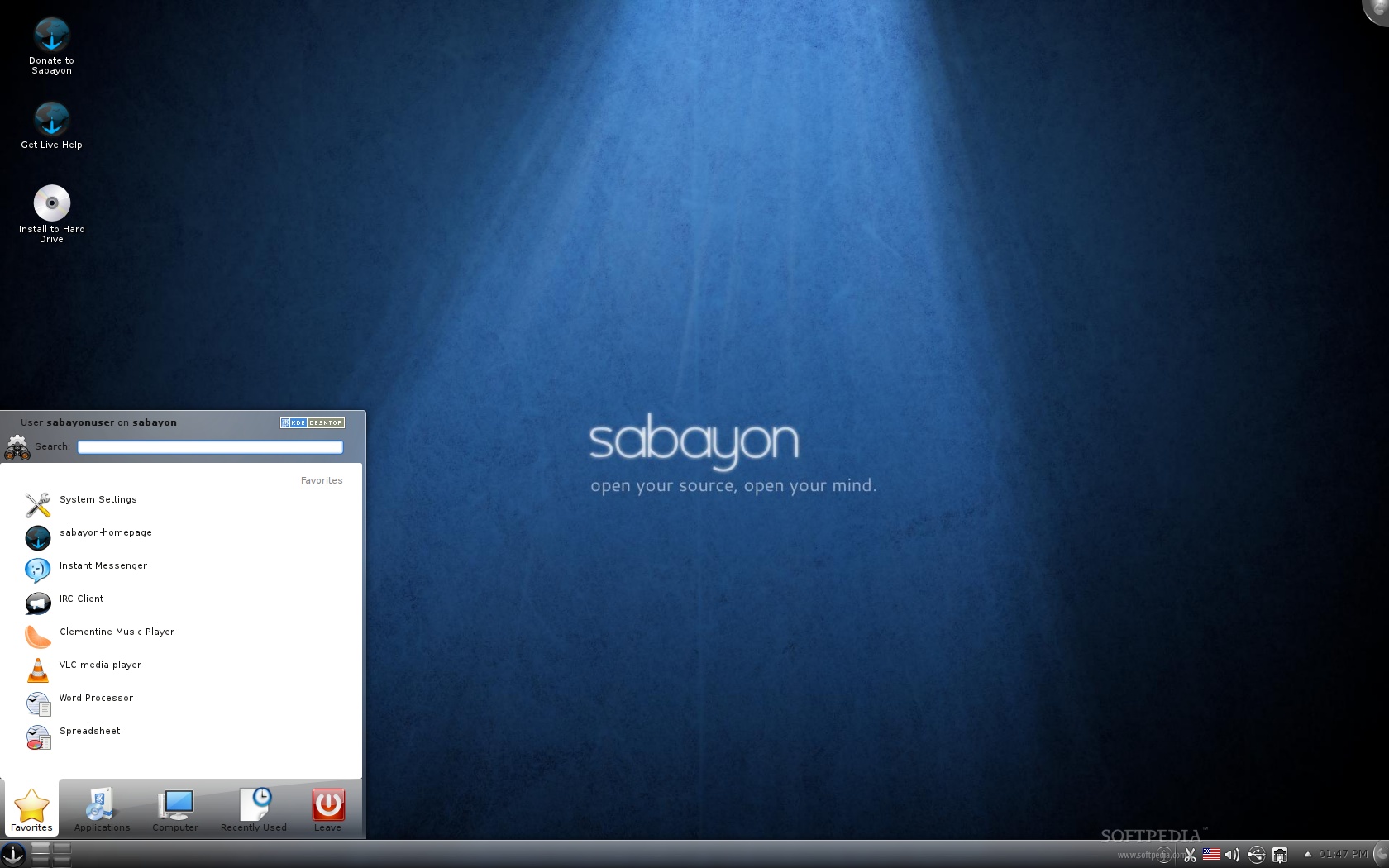
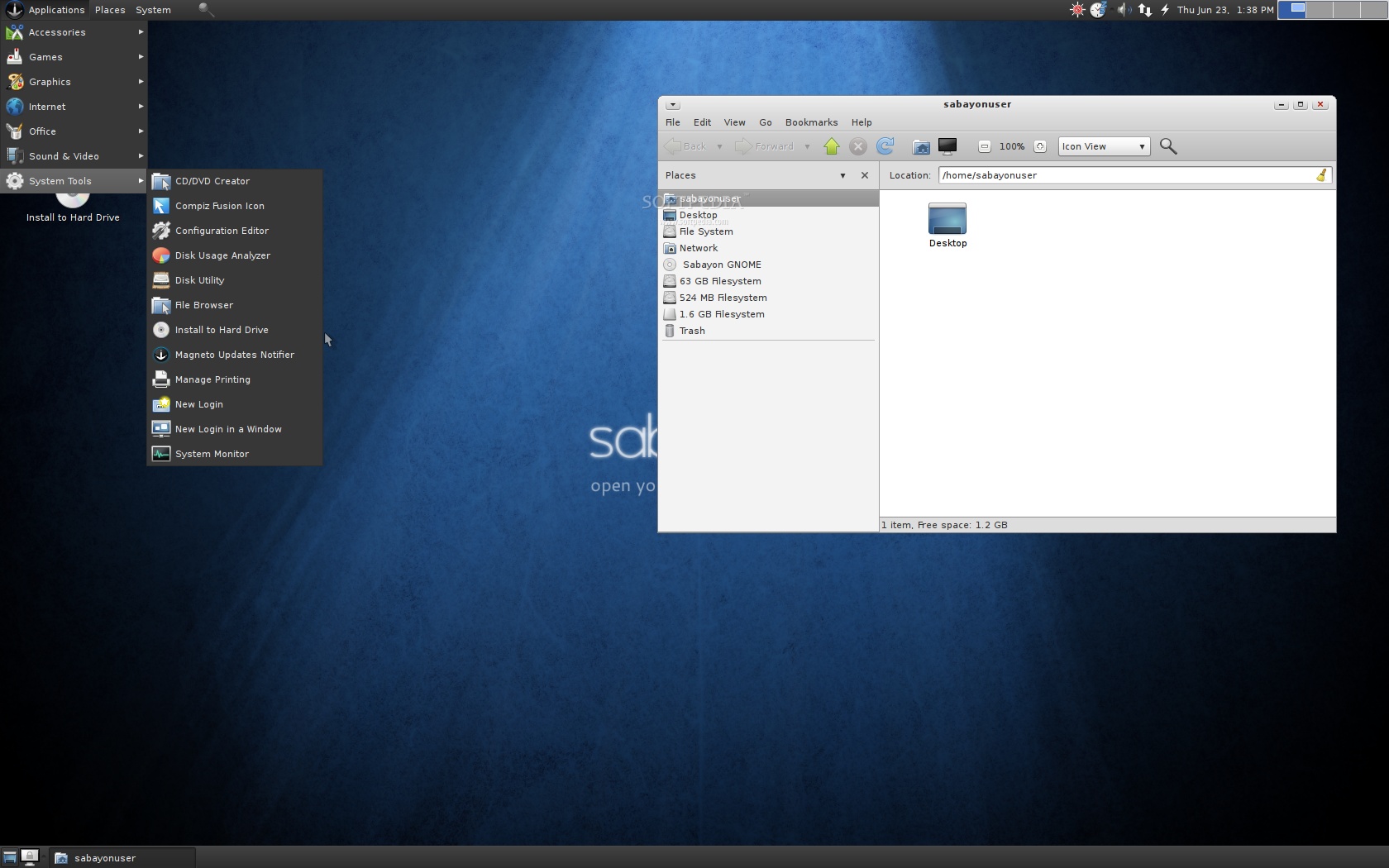
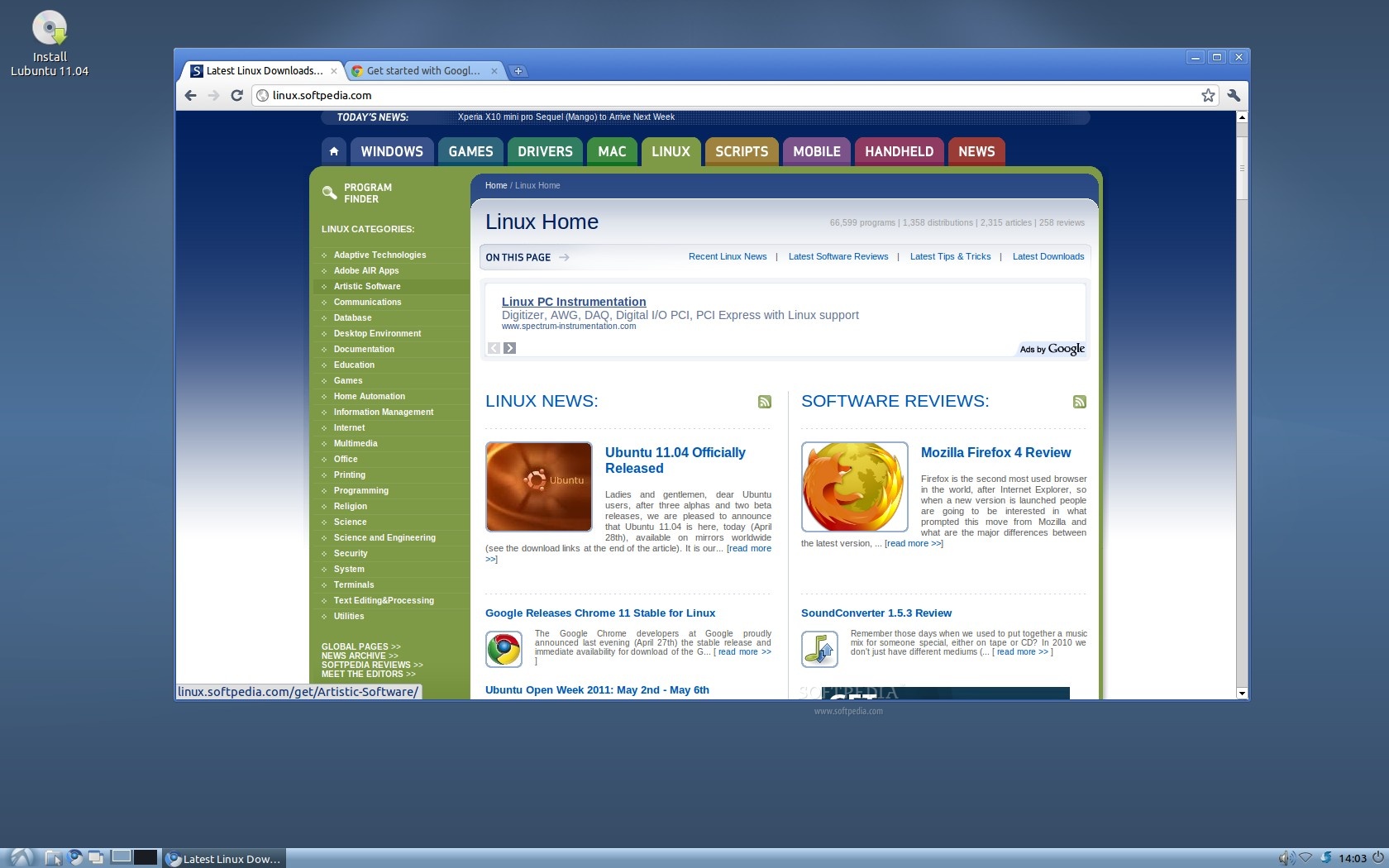
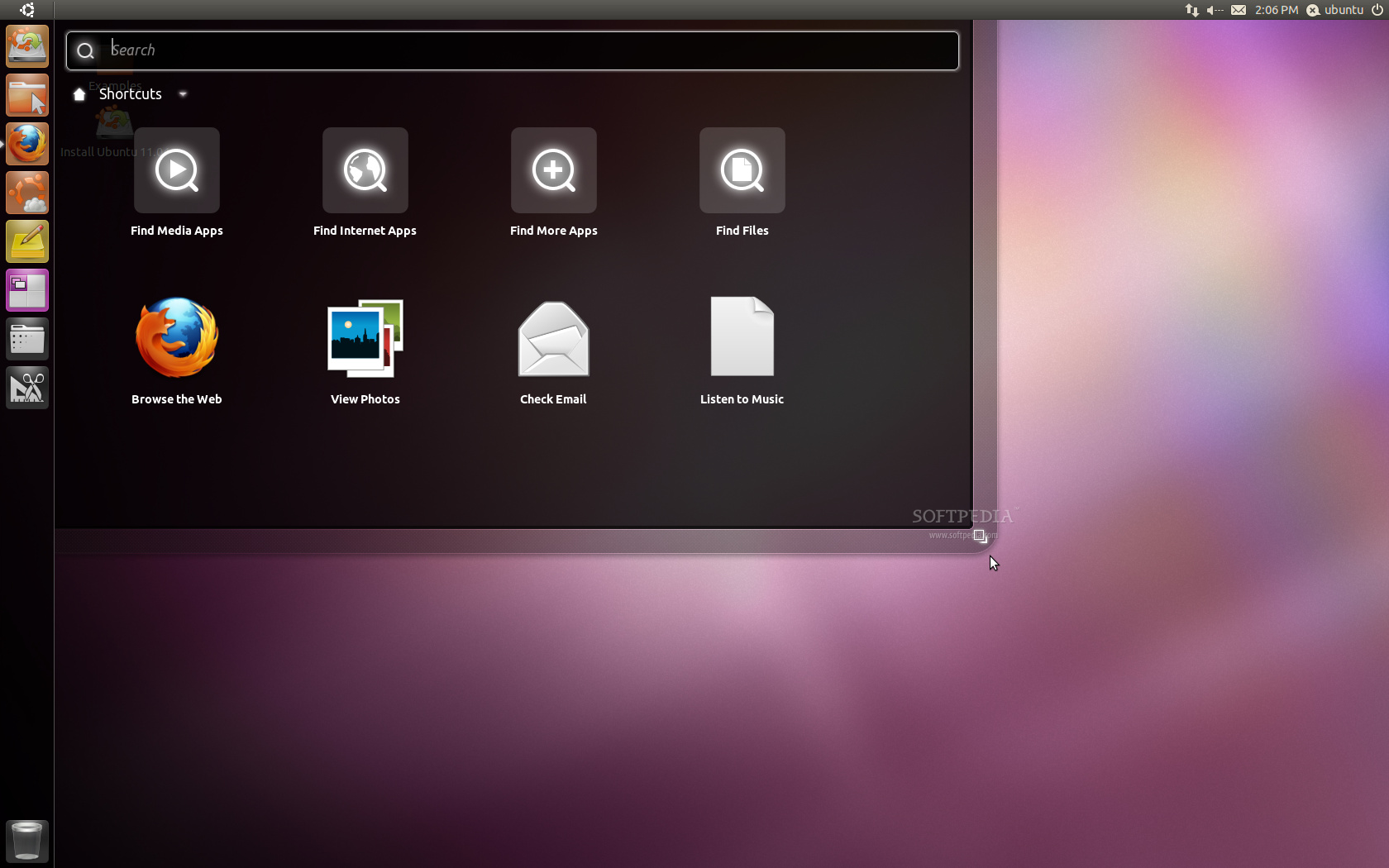
We've written this article to help some of our readers in finding a good alternative to the current release of the Ubuntu operating system, because of the Unity interface. Personally, I use Ubuntu 11.04 everyday and I have no problem with it. When Unity was about to be born, I was like "no way I am using that," but I got used to it, and I've even managed to customize it the way I like it. But if I would decide to give up on Ubuntu and install/use a different operating system ( no matter if it is based on Ubuntu or developed by Canonical), below are five of my favorite alternatives to the original Ubuntu OS ( the one with the Unity interface), described in a few words. 1. Xubuntu Developed by hard working people, Xubuntu looks amazing and it is, of course, based on the Ubuntu operating system. Being lightweight, Xubuntu is well-suited for both desktops and laptops or netbooks. Xubuntu contains all the programs you need for your daily tasks, such as a web browser, an office suite, instant messaging, multimedia playback and lots more. Xubuntu even has a dock, and the next release will feature Linux kernel 3.0, LightDM and the famous Xfce 4.8 desktop environment. Learn more about XubuntuDownload Xubuntu from Softpedia | Xubuntu 11.10 Daily Build | 2. Kubuntu Kubuntu is simply beautiful. Kubuntu is a very good alternative for users who wanna make the switch from the Windows operating system. With Kubuntu you will have a powerful computer, but you will need a powerful computer. Kubuntu has an iTunes-like music player and organizer, a complete and professional office suite, powerful email and messaging clients, rich photo viewer and organizer, and much more. The next release of Kubuntu will look even more astonishing with its brand new KDE SC 4.7, not to mention that will be powered by Linux kernel 3.0. Learn more about KubuntuDownload Kubuntu from Softpedia 3. Linux Mint Linux Mint was created by one man, but now it has a strong and powerful community behind it, that will help you whenever you run into trouble. Based on the latest version of Ubuntu, the Linux Mint offers an elegant, modern and comfortable operating system, which is both easy to use and powerful. If you want to make the switch today, I strongly suggest Linux Mint 11, and I guarantee you'll love Katya! Learn more about Linux MintDownload Linux Mint from Softpedia 4. Sabayon Linux Sabayon Linux is as easy as an abacus and as fast as a segway, it is the the cutest, free operating system. Sabayon Linux can be run on laptops, home computers and even on home servers. Sabayon Linux is always up-to-date, has all the applications you need, and can be easily transformed into a full-featured Home Theater PC. Sabayon Linux is a true chameleon, it has editions with all the popular Linux desktop environments, like GNOME, KDE, Xfce, LXDE and Enlightenment. Open your mind and try Sabayon Linux, you will not regret it. Learn more about Sabayon LinuxDownload Sabayon Linux from Softpedia 5. Lubuntu The latest addition to the Ubuntu community is Lubuntu, an Ubuntu-based operating system powered by the ultra-lightweight LXDE desktop environment. While Lubuntu is designed to be run on antique machines and netbooks, it can be used as well on your modern hardware, as the default operating system. Lubuntu has good and powerful applications, such as Chromium, Pidgin, Abiword, Transmission, GNOME MPlayer or Audacious. Learn more about LubuntuDownload Lubuntu from Softpedia I do hope that you'll find these Ubuntu OS alternatives very useful, in case you want to make the switch, or at least consider them worthy of installing/testing on your computers. If you know other interesting alternatives to Ubuntu, you can post them in the comments section below.
|
|
|
|
|
 |
73,589 hits
· 69 comments
Link to this article
· Print article
· Send to friend
|
MUST-READ RELATED ARTICLES:
READER COMMENTS: |
| Comment #1 by: itchy on 09 Aug 2011, 18:59 UTC | reply to this comment | Kubuntu FTW: stable and mature
Xubuntu is good but not complete, and Lubuntu is not nearly an ubuntu alternative as of now.
While Sabayon is just a completely different distro, why not for example Mageia or Opensuse? |
| Comment #1.1 by: Marius Nestor on 10 Aug 2011, 06:10 GMT | Mageia and openSuse are RPM-based... and I don't like RPM-based distros :) |
| Comment #1.2 by: zeusz4u on 10 Aug 2011, 14:58 GMT | Marius, I agree that OpenSUSE sucks. It's pretty unstable, it is very likely to run into issues that cannot be resolved easily by a novice linux user. It is somewhat different from other RedHat based distros, even the file system is different, it is causing lot of issues when working on SuSE servers, the /etc, or even in the /var/ folders it is using different files. I don't like it at all.
I'd been using Sabayon couple of years ago. At that time it impressed me. It's really nice, and besides works out-of-box, so users who are new to linux might enjoy this distro without efforts.
LinuxMint is also a nice choice, such as Sabayon it has codecs and proprietary drivers included in the live-cd version.
Ubuntu has also got a nice tweaking utility: UbuntuTweak. It will let you modify advanced properties and configurations which would require command line skills. I'm quite familiar with linux systems, but even I do find this utility very useful and confortable. |
| Comment #1.3 by: thevillagegeek on 10 Aug 2011, 22:40 GMT | Lubuntu isn't perfect, but it's worked quite well for me on several old Pentium III computers including two in the hands of first-time Linux users. The performance was excellent and the feedback positive. |
| Comment #1.4 by: joe-eis on 15 Aug 2011, 09:38 GMT | I prefer Mandriva.
It's verry stabil an the packages are all good working.
It's better in the administation as ubuntu. |
| Comment #2 by: imsosorry on 09 Aug 2011, 20:30 UTC | reply to this comment | And the alternative to Ubuntu is ... Ubuntu ... ? |
| Comment #2.1 by: astapez on 09 Aug 2011, 21:22 GMT | I agree. Here I was thinking we'd get the normal list of newb friendly OS's like Fedora, Korrora, and SUSE and the standard "if you are a more advanced computer user, try Gentoo or Debian" stuff.
I then found a list composed entirely of Ubuntu spins and derivatives. If I wanted an operating system where the only alternative was a slightly different version of itself, I would have stuck with Microsoft lol. |
| Comment #2.2 by: jg on 10 Aug 2011, 01:01 GMT | The author apparently doesn't even realize that, if all he wants is ubuntu with a different desktop (which is obvious given his recommendations), all he needs to do is go into Synaptic and install the one meta-package (of his desired desktop). There's no need to install Ubuntu on top of... Ubuntu... just because you want to install a new meta-package.
Sometimes these "I'm going to make recommendations" articles are helpful, but only when written by authors with authoritative experience in what they're recommending. This author should spend more time learning what his package manager can accomplish, and also spend time working with other distros, before he tackles an article like this.. |
| Comment #2.3 by: Marius Nestor on 10 Aug 2011, 06:15 GMT | "Fedora, Korrora, and SUSE" are in no way "newb friendly". They are RPM-based distros, which are difficult to use, learn, etc. Korrora is a Fedora spin anyway.
You guys don't get the point of the article. It is all about UNITY, and some people don't want to remove Unity or install a different desktop environment on top of Ubuntu. |
| Comment #2.4 by: Mike on 10 Aug 2011, 14:09 GMT | @Marius Nestor, why would you believe a distribution was difficult to use on the basis they use RPM? Have you ever used an RPM distro? Would it be a fair statement for me to make if I said .deb-based distros are difficult to use because I ran Debian Sid and it broke? Korrora is much like Mint was a easier spin of of the parent distro. Plus Kubuntu and Xubuntu are just spins of Ubuntu with a different desktop why would you include those and not mention Korrora or Fusion Linux? If the point of your article was to offer alternatives to the Unity interface then that is what the title should have read, Top 5 alternatives to the Unity Desktop..... |
| Comment #2.5 by: Marius Nestor on 11 Aug 2011, 11:02 GMT | @Mike Thanks for your opinion and for reading this article. Being bored by the Windows OSes at that time... I've started to use Linux since early 2000... I've started to learn Linux with distributions such Mandrake (known as Mandriva now), SUSE Linux Enterprise (known as openSUSE now) and Red Hat. In the following years I have continued my Linux learning with Slackware (I remember how hard was back then to get your hands on some CDs and installation instructions, having a 128kpbs dial-up connection), Gentoo, Debian, and Fedora, which I used both at work here at Softpedia and at home, for about 2 years, until Ubuntu was born. I tried the first three version of Ubuntu and it was buggy like hell. I've moved to Ubuntu from version 6.10, a distribution that is making my work much easier, being easy to configured and to set up.
Yes, I wanted to make some recommendations for new users, those who find the new Ubuntu (with Unity) hard to use and unfriendly. To show them that there are other interesting alternatives out there, even based on Ubuntu. The correct title would have been something like you suggested, but I believe it is still confusing. I promise that I will make another article where I will suggest different operating systems than *buntu, very soon. |
| Comment #2.6 by: Bill on 11 Aug 2011, 17:35 GMT | It would appear Marius has a very limited comfort zone.
I use linux on a daily basis and don't see how you state these are 5 different OS! |
| Comment #2.7 by: carolinason on 11 Aug 2011, 18:40 GMT | it pains me to hear gnub friendly. i find great pleasure in gnu/linux to be a challenge. today's distributions are nothing like the days of old, when you really had to know your stuff, which meant simply reading. mklinux in 97 on a powermac 7100, talk about X being a pain, whew. try gentoo, i can barely get gentoo to work and i've been doing this a while now, but i learn something new every time i try to build a gentoo system. i liked ubuntu since it is codec friendly, but have since returned to debian, since ubuntu's interface went to a more advanced version of "sugar". debian is an alternative to ubuntu, being that it's its father. debian is nothing more than learning how to install packages. it is just the necessary things you want, a lean gnu/linux system. i think i need to download linux from scratch which is simply a manual and sit on a chair of nails and recite bash commands! |
| Comment #2.8 by: Sylvia on 11 Aug 2011, 20:10 GMT | I'm afraid this article is - not to be too harsh - rubbish!
As others have said, you suggest five "alternatives", four of which are Ubuntu-based. Those are alternatives?
And, if your reason is "a good alternative to the current release of the Ubuntu operating system, because of the Unity interface", then why not just go to Ubuntu System Settings -> Login Screen and select Ubuntu Classic for the Unity alternative? That would meet your rationale of "It is all about UNITY, and some people don't want to remove Unity or install a different desktop environment on top of Ubuntu" and seem a more optimal solution than installing the distros you suggest.
I'm all for Ubuntu alternatives - and I'm going to have a look at Sabayon on the strength of your article. But let them be alternatives and not just a list of Ubuntu-based OSs. |
| Comment #2.9 by: jg on 11 Aug 2011, 22:18 GMT | "some people don't want to remove Unity or install a different desktop environment on top of Ubuntu. "
Then why did you recommend numerous distros that are just ubuntu with a different desktop environment installed on top?
We understand "the point" of the article. You don't understand the point of the criticism. If you're going to give advice to other people, make sure that it's good advice. By not realizing that a different desktop is just one metapackage away, your "alternatives" to ubuntu users is really bad. There's no need for a user to waste time reinstalling the same distro, losing all his current user settings, and ending up with an "alternative" that's as significant a difference as a dolphin is to a porpoise. |
| Comment #2.10 by: Bones on 16 Aug 2011, 01:35 GMT | @ Nestor: SUSE Linux Enterprise is SUSE Linux Enterprise not OpenSusie, which is the open source community distro of SUSE Linux Enterprise. |
| Comment #2.11 by: Marius Nestor on 16 Aug 2011, 12:01 GMT | @Bones: SUSE Linux Professional 9.2/9.3 |
| Comment #2.12 by: Bones on 16 Aug 2011, 13:20 GMT | @ Nester: Yes, "SUSE Professional" was rebranded as OpenSUSE. |
| Comment #2.13 by: ubuntuLover(ex) on 26 Feb 2012, 17:09 GMT | For all of you criticizing this article for lac of non ubuntu derivatives, and all those defending the position of this articel... peace... The whole idea of Linux and open source in general is "to each his own". The reason all these variants exist is that people have different preferences.
Coming back to the article itself.. I personally was looking at exactly what this article talks about. I love ubuntu and do not want anything much different (my ignorance maybe.. but ignorance is bliss).
However, i dislike the unity interface and hence an stuck at Maverik. My precise search was 'ubuntu alternative without unity' and this is exactly what I got.
looks like i need to try mint (but keep looking for other alternatives that are less closed source friendly) |
| Comment #3 by: scud on 09 Aug 2011, 20:48 UTC | reply to this comment | other alternatives : elementaryos, trisquel |
| Comment #5 by: Pat on 10 Aug 2011, 00:13 UTC | reply to this comment | So three of your alternatives to Ubuntu are...Ubuntu!
Try this list:
1. PCLinuxOS
2. SimplyMepis
3. LinuxMint
4. Sabayon
5. Debian |
| Comment #7 by: LinuxForever00 on 10 Aug 2011, 00:53 UTC | reply to this comment | PCLINUXOS KDE is the best for me. |
| Comment #8 by: Mike on 10 Aug 2011, 01:09 UTC | reply to this comment | Wait, three of your top alternatives to Ubuntu are just Ubuntu with a different desktop environment? Why would you leave out distros like openSUSE, CentOS, Scientific Linux, Mageia, Mandriva, Mepis, or Fedora? Very strange article. You wouldn't even need to leave Ubuntu, just install an alternative desktop... |
| Comment #11 by: Want E17 on Mint w/ Sid on 10 Aug 2011, 03:17 UTC | reply to this comment | Sabayon seems to be 1 of the tightest done non-Ubuntu/Debian distro I've tried in my humble noob opinion. My only problem with it is that I favor the E17 spin (for obvious better sys resource reqs + E17's speed & beauty) and yet it's not done seriously enough to arrive to Bodhi Linux' level. Default E17 brandings left here and there and nearly not any faster over the main G and K ones. |
| Comment #12 by: Raiva on 10 Aug 2011, 04:13 UTC | reply to this comment | PCLinuxOS should have made this list. I'm just sayin'. If you've never heard of it, you should seriously take a look at it. Flash, mp3 support, etc come standard without having to install them manually. The whole thing fits on a single CD and runs a live CD if you want to try it without installing. It is also the fastest distro out there, besting ubuntu in almost every test. |
| Comment #13 by: Pranav on 10 Aug 2011, 06:10 UTC | reply to this comment | Open Suse, Mint & Fedora are indeed seems to very good alternative |
| Comment #14 by: mcx on 10 Aug 2011, 08:30 UTC | reply to this comment | hahahaha
Is this post paid by Ubuntu???? |
| Comment #15 by: boomslang on 10 Aug 2011, 10:25 UTC | reply to this comment | Only one of the above is not ubuntu based! |
| Comment #16.1 by: Marius Nestor on 11 Aug 2011, 06:06 GMT | Pardus is a very good alternative too! |
| Comment #17 by: johnh3 on 10 Aug 2011, 19:50 UTC | reply to this comment | My personal list.
1:Pardus
2:PCLinuxOS
3:LinuxMint
4:Mandriva
5:Mageia |
| Comment #18 by: ronaldgibson on 11 Aug 2011, 01:17 UTC | reply to this comment | I thought Sabayon was based off of Gentoo. There are two others that I use on a daily basis. Pinguy on my laptop and Zorin on my spare PC at work. With Zorin, Compiz-Fusion is configured for the cube. There have been problems with Compiz-Fusion and the cube. The windows decoration does not show up. You will then need to delete the dot files in the home folder to get it back. Both use Linux Mint repositories for more software to download. |
| Comment #18.1 by: Marius Nestor on 11 Aug 2011, 11:06 GMT | Yes, Sabayon is based on Gentoo :)
The cube can be easily activated at any time on any distro running Compiz, from the Compiz Configuration panel. |
| Comment #19 by: zzzz on 11 Aug 2011, 05:28 UTC | reply to this comment | I use Lubuntu and it best OS for simple work at any PC |
| Comment #20 by: bubuzzz on 11 Aug 2011, 05:55 UTC | reply to this comment | look like a religion war has started :D |
| Comment #21 by: bubuzzz on 11 Aug 2011, 05:55 UTC | reply to this comment | look like a religion war has started :D |
| Comment #22 by: Chris on 11 Aug 2011, 18:13 UTC | reply to this comment | I think a lot of people are missing the point of this article. The idea is to point out Ubuntu alternatives. IE: distributions that act similar to Ubuntu and have the same software selection, so the obvious choices are Ubuntu-based distributions.
Personally, I like Linux Mint but I've found that Mint 11, even though it doesn't use Unity, still tries to be Unity. One day last week, I loaded it and my title bars were gone on everything, I had to reboot to get them back. Also, when you hover your mouse on a scroll bar, Unity-style scroll bars keep trying to pop up. I love the job Clem and the gang have done on keeping Mint true to its original look and feel, but it's not perfect (it's still way better than Unity, though.)
My favorite Ubuntu alternatives right now are Kubuntu, which I'm currently running, and Peppermint. Both use the 11.04 Natty repositories and both are really stable and work great on my machine. :) |
| Comment #23 by: carolinason on 11 Aug 2011, 18:18 UTC | reply to this comment | kubuntu, lubuntu and xubuntu are not ubuntu alterantives, they are desktop options that work on top of ubuntu. a real alternative would be debian, which ubuntu would not exist without or fedora or gentoo. they are real alternatives. |
| Comment #24 by: dfa2006 on 11 Aug 2011, 18:27 UTC | reply to this comment | How about Zorin Linux. Has anyone taken a look at that OS? I use it all the time. Very easy to use, and Zorin even give the option of a Mac theme. Check it out at http://zorin-os.com/index.html. |
| Comment #25 by: lucain on 11 Aug 2011, 20:51 UTC | reply to this comment | wait, xubuntu, lubuntu and kubuntu are the same OS, just a different desktop enviroment. They are different on the surface but their inherit all the qualities and flaws of ubuntu.
"ubuntu alternative" should be something not related with canonical or ubuntu, and there is plenty of choice: mandriva/mageia, opensuse, fedora, pclinux, sabayon, and even debian. |
| Comment #26 by: GreyGeek on 11 Aug 2011, 22:21 UTC | reply to this comment | Kubuntu is my choice, but Linux Mint KDE is an excellent alternative to Kubuntu. Xubuntu can only have the inter-connectivity and mime reactions that Kubuntu has by installing the KDE & Qt libraries. If you go that far you might as well run Kubuntu.
I ran SuSE for 22 releases and grew to dislike the RPM packaging system and its oft encountered dependency hells. Deb is a much more stable and reliable packaging system and apt makes it hard to beat.
KDE 4.7 is in Kubuntu Oneiric and I suspect that within a year a Kubuntu release might be featuring KDE 5.0. |
| Comment #27 by: Core Dump on 12 Aug 2011, 01:18 UTC | reply to this comment | Article should be titled "4 Ubuntu derivitives, and 1 alternative" |
| Comment #28 by: krish on 12 Aug 2011, 05:01 UTC | reply to this comment | what the hell!!!!!!!!!!!!
where is Pardus and Ultimate edition??? |
| Comment #29 by: wombat on 12 Aug 2011, 05:59 UTC | reply to this comment | LMDE. Best of Mint, best of Debian. |
| Comment #30 by: bertzi on 12 Aug 2011, 10:18 UTC | reply to this comment | Archlinux is the best. You can decide which desktop manager want to use (gnome, kde, xfce, lxde etc.). And repository is always has the latest applications, not the 2 years old ones in contrast to debian or ubuntu. |
| Comment #31 by: cata on 12 Aug 2011, 18:32 UTC | reply to this comment | you forgot some os 's windows 7 and mac os freebsd. o please don t kill me linux fans :) |
| Comment #31.1 by: Devlin on 14 Aug 2011, 13:35 GMT | at least yours were actually different OS's other than Ubuntu with different desktops..... |
| Comment #32 by: Devlin on 14 Aug 2011, 13:34 UTC | reply to this comment | Ubuntu is it's own Linux distro with the Gnome desktop.
Xubuntu is Ubuntu with the XFCE desktop
Kubuntu is Ubuntu with the KDE desktop
Lubuntu is Ubuntu with the LXDE desktop
Mint is based on Ubuntu with different themes, is more plug and play with more closed source drivers and CODEC added with the install. (if your going to Ubuntu I recommend Mint).
This is a useless article for people considering moving away from Ubuntu considering of the 5 fourl are using the Ubuntu OS the only difference is your changing the desktop. |
| Comment #32.1 by: TheFactsAreNeverTooLate on 08 Nov 2011, 19:27 GMT | Ubuntu is not its own distro. It is based off of Debian. Always has, and still is. Mint is based off of Ubuntu.
Debian -> Ubuntu -> Mint.
That is why each progressive step (aside from core principles, i.e. free software and the like) is a jump
towards a more complete system for typical user (i.e. not necessarily with extensive linux knowledge.)
Debian is very strict to the software allowed into their repo's.
Ubuntu is not nearly as strict and allows quite a bit of non-free (in the beer sense) software.
Mint is even more lenient, leaning less towards free software, and freedom, and more towards complete
usability oob, i.e. all codecs installed for you etc... All codecs, software, and nifty components in mint will run on Ubuntu as well as Debian. Many are even on the repo's of both. They just aren't necessarily installed by default. Which is a good thing IMHO. I prefer to choose what is installed, not have to clean up the OS before i start using it.
Even though that is my personal choice, I still use mint, and love it. I recommend it more frequently than Debian based off of the user asking for my opinion. People that use FreeBSD, OSD, etc... I tell them to use Debian. People using windows, I definitely direct them towards Mint. And I am usually correct, I know because I don't end up spending hours explaining to them how to use their new rock solid and stable Debian system. |
| Comment #33 by: Swe.Linux on 14 Aug 2011, 20:25 UTC | reply to this comment | Regarding Sabayon, from my experience, they have the most cruel community out of all the others i've tried. Even from the IRC-channel which is integrated on the homepage, everyone acts really bad. I even got banned when i asked why he was being so mean when all i did was asking for help. Sabyon is a good OS in terms of stability and speed. But if you don't want to be treated like garbage, choose another OS. |
| Comment #34 by: Lightfoot on 15 Aug 2011, 05:56 UTC | reply to this comment | The point of the article was to inform others (newbies?) that there are other Desktop Environment derivatives in the Ubuntu OS family available, including Mint, if the Ubuntu Unity Distro is not to their liking. What added to the confusion is adding Sabayon (a Gentoo based Distro) to the list, rather than another Ubuntu based Distro, such as Monomaxos, or dozens of others that could have been listed rather than Sabayon.
With hundreds of Linux Distros to choose from it comes down to finding one that is easy to use (ha ha) & works best on your computer, along with, an active development team, and positive support & community. I've tried many, and none are perfect. What brings me back to reality is that though Linux strives to best Microsoft or Apple, it falls short. There's to much stress over proprietary software that is free to use but not to distribute & a lack of vendor driver/software (closed-source) support.
My computer runs best with OpenSuse, which has improved since 11.4 (with tumbleweed repos for a rolling release Distro). Most all other Distros have caused erratic system behaviors or system freezes, much like Microsoft, lol. Hats off to Suse! I still experiment with newly released Distros, but let's face the truth, if Linux is to become the dominant OS of choice, there needs to be universal conformity, "Unity", so that device drivers & software written for Linux work & run (plug-n-play) without error on any Linux Distro you use!
What to do if you want to leave Microsoft (micro-suck) for Linux (just a few of my ideas for newbies)?
*Make sure you have time & lots of it to experiment.
*Linux Distros are written to work with certain types of computer processors. Be sure to know the processor type and total memory of the computer you wish to install Linux on and choose the Distro accordingly.
*Learn what a "Desktop environment" is, and which ones will function with your computer (sure you might like KDE, but if the computer only has 256MB of memory, good luck! Be realistic, and use what will work & make the best of it.
*Choose an active Linux Distro that will function on your computer with excellent support & community. (don't waste time on a Distro if they are slow in development & offer excuses rather than help. Read reviews and view the developers website and user forums.
*Download and install on anything but your main computer, unless you know how to recover from a serious errors, including but not limited to lost partitions or boot sectors.
Test it! Get to know the OS and learn how it works. Maybe you'll be lucky and everything works wonderfully. |
| Comment #35 by: carl on 16 Aug 2011, 03:21 UTC | reply to this comment | PCLINUXOS is wonderful except for using it with Laptop Connect wireless ATT. No way to easily hookup to the internet. They need to fix it like Ubuntu where it would be simple to hookup. I use Ubuntu 11.04. Works great. |
| Comment #36 by: Kriss_Hietala on 16 Aug 2011, 14:55 UTC | reply to this comment | Sabayon is heavy and laggy as hell. I wonder if something changed this past few years. |
| Comment #37 by: serialmapper on 12 Oct 2011, 15:22 UTC | reply to this comment | what about Zorin OS 5 Core? i think that's the best and stable alternative to ubuntu! |
| Comment #38 by: abkhawaja on 04 Nov 2011, 04:23 UTC | reply to this comment | Thanks . . . very useful and excellent . . . |
| Comment #39 by: rvk on 30 Nov 2011, 22:08 UTC | reply to this comment | The article shows a quick look at 5 alternatives to Ubuntu. I'm looking for an alternative, like many others, because I hate Unity, I won't put up with a MAC by any name, and I despise Windows 7. Ubuntu 10.04 is the best so far by far. The article did not succeed in showing me a viable alternative. |
| Comment #40 by: Telly Vind on 26 Dec 2011, 00:31 UTC | reply to this comment | Let's see, under the heading, "alternatives," you have 4 ubuntu-based distros and 1 gentoo one? |
| Comment #41 by: Arv on 26 Jan 2012, 04:09 UTC | reply to this comment | Lately most Linux Distros have opted for larger-than-1-GB-.iso downloads. Obviously this is a disaster for those wanting to use 695 MB CD-ROM disks.
What happened to the minimal downloads to get a system up and working so it could download the rest from Internet based repositories? Have all Distros really distanced themselves from the customer by making only DVD sized .iso downloads? |
| Comment #42 by: floopy on 17 Feb 2012, 15:18 UTC | reply to this comment | so... here we have 2 alternatives !?! lubuntu, xubuntu and kubuntu are "ubuntu" :D i can install lxde, xfce or kde desktops whenever i want ! i'm thinking of switching ubuntu only becouse ubuntu 12.04 will be the last support for kde... so no more kubuntu no more kde support... for me kde is the best and ubuntu is just easy to work with apt-get and debian packages. i will try sabayon anyway.. thanks for the info ;) |
| Comment #43 by: Bobby on 05 May 2012, 13:03 UTC | reply to this comment | Xubuntu, Lubuntu and Kubuntu are same as Ubuntu just with an other User Interface. For example: Ubuntu uses Gnome and Kubuntu uses KDE |
| Comment #44 by: geekydownloads on 09 May 2012, 14:55 UTC | reply to this comment | I will have to try some of these as Ubuntu 12 is awful! |
| Comment #45 by: Atheologian on 11 Jun 2012, 02:00 UTC | reply to this comment | How about MadBox?
It's Ubuntu-based, minimal, & ideal for building a custom system, which is what I'm doing, with the help of Remastersys. |
| Comment #47 by: DM on 18 Aug 2012, 07:17 UTC | reply to this comment | I guess I'm a noob. Used Ubuntu 10 for ages, although very infrequently, and really liked it: hate Unity as I just can't find anything or get any help, also unstable for me. All I can hear in these comments is egos thrashing around - think I'd prefer to remain a noob. Until you guys stop shouting and dissing each other it strikes me that Linux will forever be marginal. So where's a chap supposed to get sensible and reasonable information on a straightforward to use Linux flavour that has good functionality? Or perhaps I should just try all of the 'recommendations' in these comments. |
| Comment #48 by: DavidZZZZ on 13 Feb 2013, 11:14 UTC | reply to this comment | This is a nice article and im a fan of Xubuntu and Mint although i just love the way how unity looks.
Think i will be using it as my main OS from now on. Also looking at an ubuntu powered server for my website http://gavii.com | |
Copyright © 2001-2013 Softpedia. Contact/Tip us at 
|