 14 DAY TRIAL //
 In the XXIst century, there are still infections against which we are defenseless and which - despite all the medical advances - continue to kill millions of people every year.
Poverty, war, lack of health infrastructure, immigration, trade, globalization contribute to the spread of the diseases.
In the last years, outbreaks of ebola, cholera, pest, meningitis, SARS and bird flu have been witnessed.
These are infectious diseases that produce a lot of victims around the world.
1. Leishmaniosis infects 2 million people annually and about 12 million diseased are found worldwide, mostly adult men. It is produced by a protozoa (Leishmania) that spreads through the bite of the sand flies (Phlebotomus).
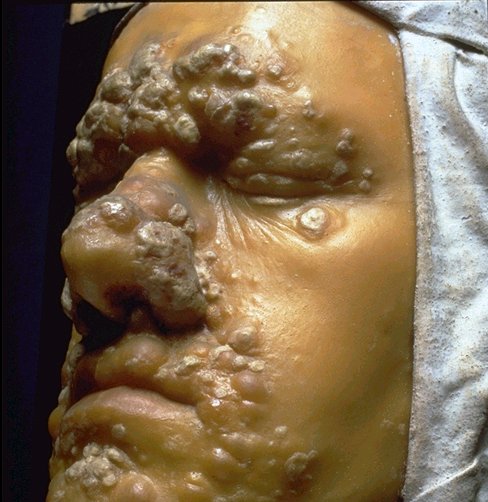
The most severe type is "kala azar" ("black fever" in Hindu), which infects 0.5 million people, and incubation lasts some weeks. The parasite induces skin ulcers which extend all over the body and can produce obstructions or nasal hemorrhage.
It causes severe lesions on the legs and a temporary or definitive physical disability.
Kala azar swells the spleen and the liver and attacks the bony marrow and linph nodules. Without treatment, the parasite kills 75-95 % of the patients.
It is found mainly in Africa, China, India, Latin America, and outbreaks occur sometimes in Mexico and the US.
The best drug is Pentostam. Intravenous Amphotericin B is effective, like the Pendamidine, but there is no vaccine yet.
2. Malaria is found in 500 million people (!) and is caused by a protozoa spread by the female of the Anopheles mosquito.
It triggers fever, shivering, articulation pains, severe headache and vomit.
Annually, 1.5 million people die of malaria, a child every 30 seconds. It is endemic in 101 countries, mainly tropical, in Africa, Asia and America.
It spreads during the rainy season, when the mosquitoes breed. Many treatments have been developed (mefloquine, Halofantrine, Artemisia products) but none has a total effectiveness, as the parasite constantly mutates, and there is no vaccine.
3. Gonorrhea and syphilis are triggered by two bacteria (Neisseria and Treponema pallida) and are transmitted sexually.
62 million people worldwide are affected, aged mainly 15 to 29 years, all over the planet, especially in urban areas and of low socioeconomic level.
In man, gonorrhea produces urinary incontinence, urethra pain, reddening, penis burning sensation and testicle inflammation. In women, it induces severe pain which reaches the trumps and uterus.
Syphilis induces ulcered lesion (syphilis chancre) at the entrance site. After that, it triggers skin eruptions, fever, hair loss, less severe hepatitis and gential condilloms, but if untreated, the lesions extend to the nervous system, leading to death.
The treatment is made with extremely powerful antibiotics (ceftriaxone, Cefixime, and others) which are also extremely costly.
4. Pneumonia affects 1 % of the planet's population and can be produced by viruses or bacteria (like Aeromonas hydrophila).
It produces fever, shiver, sweating, cough with expectoration, muscle, head and thoracic pain, appetite loss, weakness.
This is the main cause of mortality in the world: it kills 3.5 million people each year. It attacks especially patients with severe immunodepression, those that follow chemotherapy, people who are older than 75, asthmatics, smokers, alcoholics, those with renal insufficiency and children under 2 years of age. It affects especially the poor countries.
Antibiotics work in the case of the bacteria. Therapy includes oxygen, liquids, and physiotherapy.
Patients with a simple pneumonia can cure in 2-3 weeks, but elders or those with debilitating diseases can die of respiratory or cardiorespiratory failure.
The vaccine trimetropin sulfamethoxazole is effective against the most frequent complications.
5. Sleeping disease is triggered by the Tripanosoma gambiense and T. rhodesiense, protozoans spread by the tse-tse fly (Glossina). The American variant, T cruzi, is spread by biting bugs and cause the disease called chagas.
The toxins of the parasites affect especially the central nervous system and the heart muscle. It manifests through fever, edemas, sleepiness, and meningitis.
It affects 60 million people, but only 4 million receive treatment, and it kills 150,000 people yearly.
It affects the livestock, being deadly or inducing low fertility, weight and productivity, with severe economical losses. It is found in the habitat of the tse-tse fly: over 10 million square km in 36 African countries. Chagas is found in certain areas of Central and South America.
DFMO, the effective drug, is already not produced. Currently, melarsoprol with arsenic are employed, fact that induces the death of up to 10 % of the patients.
Vaccine exists only for the carrying livestock. There are also efforts to eliminate the flies in some areas.
6. Tuberculosis is provoked by the Koch bacterium.
It spreads through the air and affects all the body, especially the lungs. It induces prolonged coughing, fever, shivering, bloody expectoration, weight loss, sweating, tiresome, and glossy eyes.
It infects one third of the world population and each year another new 8 million cases appear. Each second a person dies of tuberculosis. It is more aggressive in women and persons between 15 and 45 years old.
It is worldwide spread, but its advance is rampant in Bangladesh, China, Indonesia, Philippines, India and Pakistan, with over half of the new cases.
TBC has a treatment, but it cannot be eradicated because of the emergence of multiresistant strains if the long and costly treatment, of over 6 months, is interrupted sooner than it should.
3-5 % of the new cases are coinfected with HIV.
The vaccine is effective in children, but useless in adults. Current employed drugs are isoniazid, ethambutol and Rifapentin.
7. AIDS is estimated to be found in 46 million people and it's produced by the human immunodeficiency virus (HIV), spread through blood, semen, and vaginal fluids.
The symptoms come rather late and start with exhaustion and fever. After that, ganglion inflammation appears along with persistent diarrhea, pneumonia and weight loss.
In the final stage, the patient's state is profoundly altered.
Each minute, five new persons get infected with HIV. It has killed 25 million people since 1981 and about 3.3 million people with HIV die annually. 58 % of the new cases are drug addicts who share syringes and 33 % through unprotected sexual contacts.
28 million of the HIV infected are found in Africa, and 0.5 million in West Europe; 300,000 in Eastern Europe, 600,000 in Eastern Asia and Oceania; 2.6 million in America (mostly South America).
Antiretrovirals can improve the immunity but its price is too costly for about 95 % of the infected. This treatment can cost 6-18,000 Euro ($ 8-25,000) and the virus will get resistance to drugs if the treatment is interrupted.
In pregnant women, antiretrovirals during the second and third trimesters of the pregnancy can avoid the child's infection.
There is no vaccine, and the combination of up to four different drugs is the main principle in stopping the disease. These drugs keep the blood lymphocytes at normal levels, maintaining the virus latent but without its deadly ability.