 14 DAY TRIAL //
 Snails make a group comprising over 75,000 species. Most snails are marine, but they also inhabit freshwater and terrestrial habitats, even dry ones. One group of sea snails are called Opistobranchia (the translation of the scientific name means "fore gills", as these organs, when existent, are located behind the visceral mass and heart).
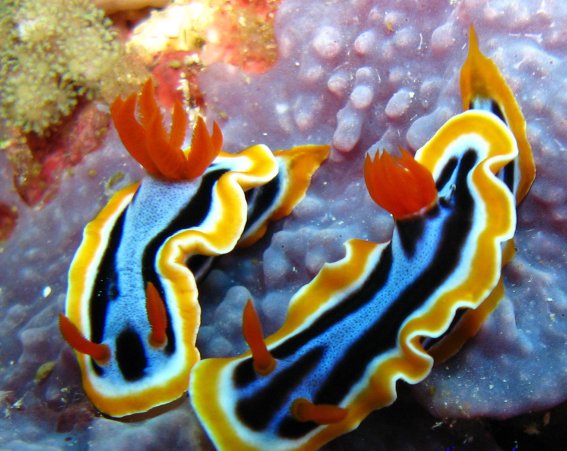
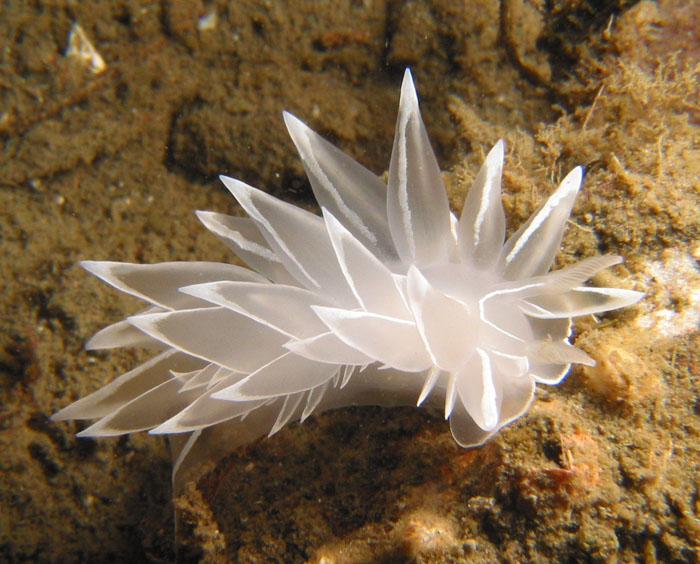
One group of Opistobranchia is represented by Nudibranchia ("nude gills), sea slugs, snails devoid of shell. Land slugs too are snails devoid of shell, but they are not related to sea slugs, but to the other terrestrial snails. The visceral mass of the sea slugs has entered inside the foot and the gills lack, being replaced by secondary formed filiform organs resembling feathers, disposed in two raws in the dorsal part of the body.
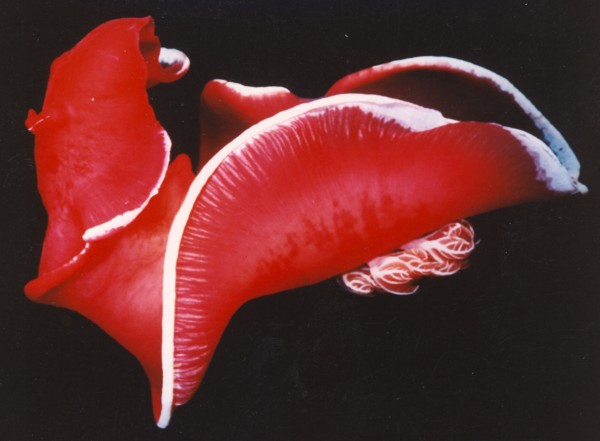
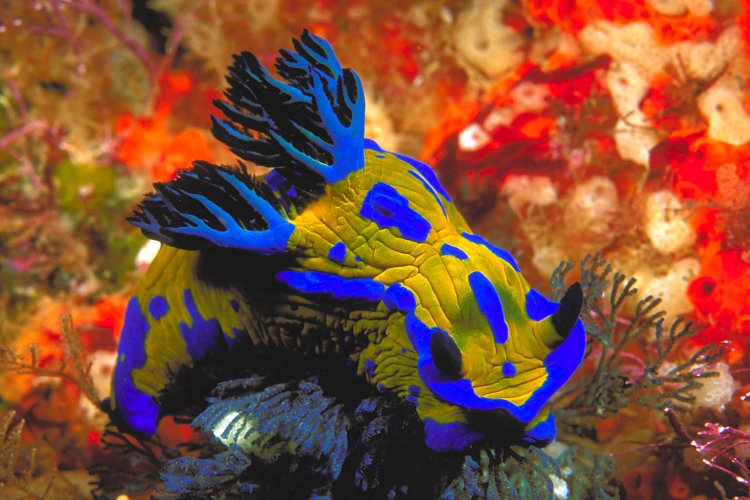
Sea slugs are usually small (up to 5 cm or 2 in) and difficult to keep into the aquariums. Large sea slugs are called sea rabbits. Still, the Spanish Dancer can reach over 40 cm (1.3 ft) in length and weigh 6.5 kg (14 pounds). One species of shrimp lives inside the Spanish Dancer, in symbiosis with it. Generally, Nudibranchia prefer warm and temperate seas. Most sea slugs have a pair of olfactory tentacles called rhinophores (hence the name sea rabbits), important in the movement and food search. In many cases, the dorsal part of the animal presents varied excrescences.
Sea slugs can feed on sea sponges, polyps and sea anemones; these animals can be extremely toxic, and the sea slugs not only are unaffected by the poison of their preys, but also deposit the toxins and pigments in their skin, becoming, in their turn extremely toxic for other animals. The slugs use their radula, a rough mouth piece, in the manner of a scraper, when eating. Large sea slugs feed on other sea slugs inclusively. The vivid colors of the sea slugs warn other animals about their toxicity and allow the animals to camouflage in the coral reef.
These snails lay eggs in piles having the shape of collars, snakes or spirals, protected in a wrapping or attached directly to rocks, sand and algae. From one million laid eggs, only several individuals will reach adulthood.
The Aplysia sea slug is heavily employed in neuronal researches, especially targeting learning and memory. The marine slug possesses a relatively simple nervous system, formed of about 10,000 large neurons that can be easily identified, fact that eases neuronal studies, compared with about 100 billion neurons in humans.