 14 DAY TRIAL //
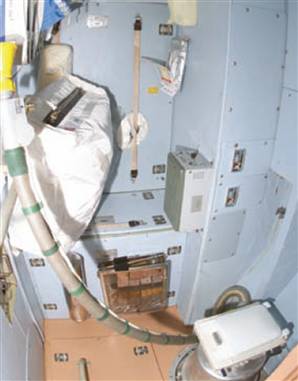
 Astronauts will really have something to smile about. Believe it or not, nature's calls can't be ignored in space, so that's why the latest space toilet project will cost around $19 million. While normally you don't see or hear much on the news about physiological needs in space, the question of how astronauts go to the toilet in space is one of the most frequently asked by people visiting NASA.
Probably that's why the space agency has agreed to pay $19 million to the Russians, who will build the next space toilet to be used on the International Space Station. It's truly the most expensive of its kind in the world, but it actually costs NASA less than building their own.
"It's akin to building a municipal treatment center on Earth," said NASA spokeswoman Lynnette Madison, justifying the incredible cost of the new facility. It's actually quite similar to the one already in use by the astronauts, so they're already familiar with the working principle.
Scheduled to be delivered in 2008, on the American side of the ISS, it will be able to recycle urine using a high-tech device that will transform it back into water. Actually, the space toilets don't use water at all, since it's too valuable for drinking, instead using a vacuum system to remove all waste.
Until now, urine was actually loaded on a module that was sent to burn in Earth's atmosphere and was not recycled, so this really is a premiere in the history of the space station.
This very expensive "room" will be installed on the US side of the station, but the Russian one will remain in place, so the overcrowding problems will be avoided. When is space, that's actually very important, since "running" to the toilet is almost impossible...