 14 DAY TRIAL //
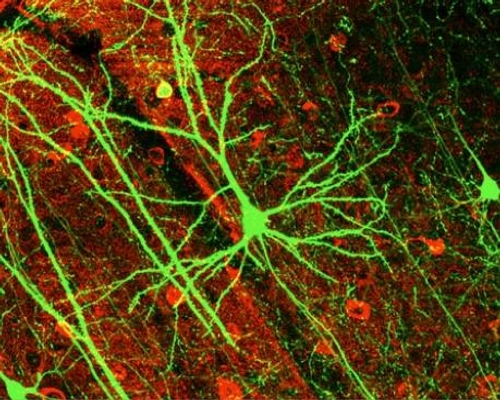
 Scientists at the UT Southwestern Medical Center have discovered that brain cells in the frontal cortex can store trace amounts of memories on their own, for as long as an entire minute. The study, which will appear in the February issue of the journal Nature Neuroscience, details for the first time portions of the brain that are involved in non-permanent memory storage, and is also the first to explain how small bits of memory are kept for short periods of time.
The new find has potential far-reaching implications in understanding various medical conditions and coming up with a way of addressing them. It could offer insight into the establishment of addictions, as well as attention disorders and stress-induced memory loss. A thorough analysis of all brain portions involved may yield a better understanding of the total number of mechanisms associated with retaining memory, and might offer even potential solutions to the various problems.
"It's more like RAM [random access memory] on a computer, than memory stored on a disk. The memory on the disk is more permanent and you can go back and access the same information repeatedly. RAM memory is rewritable temporary storage that allows multitasking," UT Southwestern psychiatry assistant professor Dr. Don Cooper, who is also the senior author of the new research that has focused on studying the brains of innocent mice, explains.
"If we can identify and manipulate the molecular components of memory, we can develop drugs that boost the ability to maintain this memory trace to hopefully allow a person to complete tasks without being distracted. For the person addicted to drugs, we could strengthen this part of the brain involved with decision-making, allowing them to ignore impulses and weigh negative consequences of their behavior before they abuse drugs," he adds.
The team at UT Southwestern says that calcium is the main chemical used to store minute traces of memory in single neuronal cells. That means that the information that is stored is divided in tiny strands, which make their way to single cells in the frontal cortex. After about a minute, they either disappear, or they move to cells that hold them on a permanent basis.