 14 DAY TRIAL //
 Qualcomm and its Snapdragon line of power-efficient microprocessors have forever changed the semiconductor world. It is not only that these fueled a performance race in the mobile phone and tablet market, but now the company’s moves are changing the entire business.
The success of the previous models launched and the impressive performance of the Snapdragon S4 “Krait” micro-architecture have generated a record demand for Qualcomm’s ARM processors.
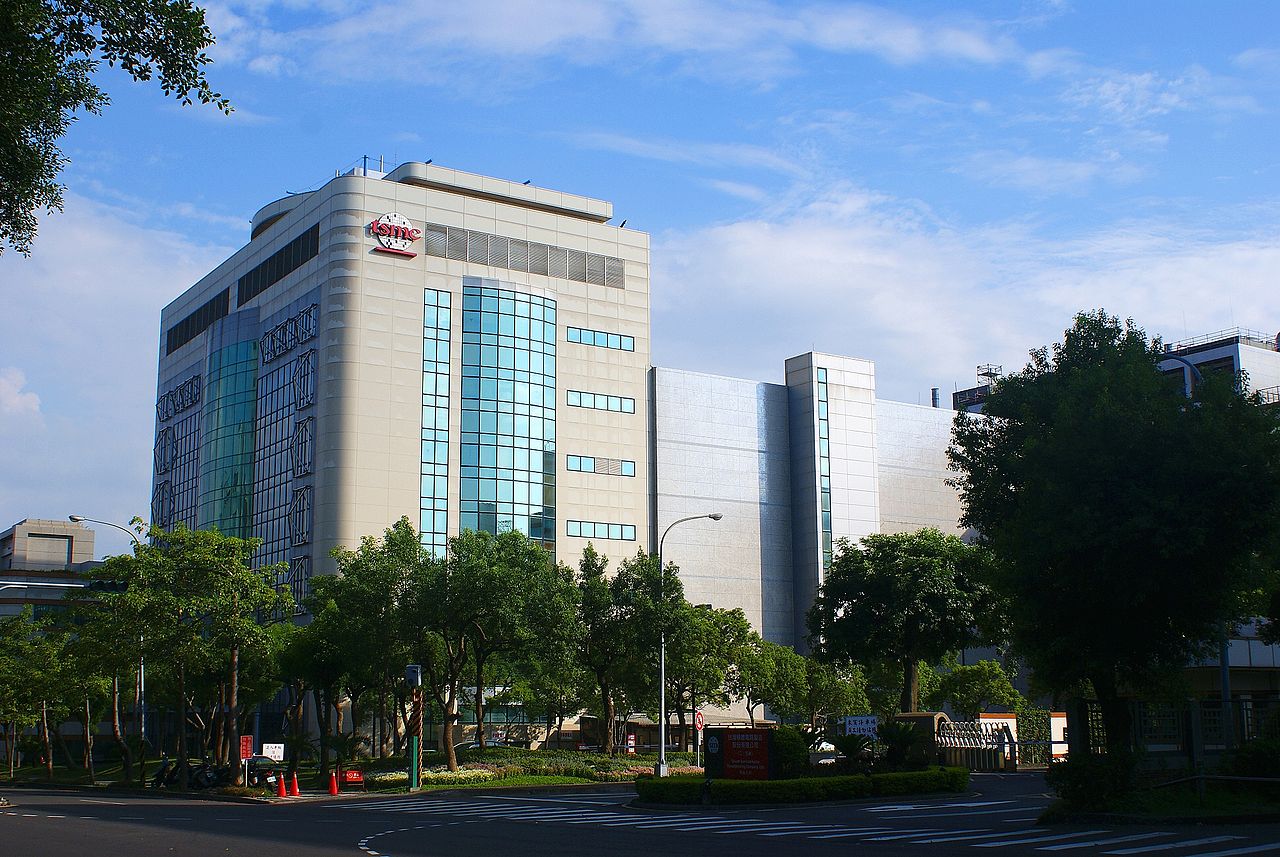
TSMC is the world’s largest foundry and has very big clients, such as AMD and Nvidia.
All these years, Nvidia never complained about TSMC’s ability to manufacture enough volumes. There have been problems with yields, but once those were ironed out, there was never a demand so high that the foundry would think about expanding its FABs just to satisfy Nvidia’s supply need.
This never happened with Nvidia, nor with AMD or any other fabless TSMC partner.
Not only is Qualcomm not satisfied with TSMC’s current or future volumes, but the chip designer thinks that adding Samsung and UMC to its list of contracted manufacturers is not enough, and it is now working out a deal with GlobalFoundries, like we reported here and here.
TSMC knows it can’t do anything to stop this right now. The foundry is working on expanding its production capacity and it’s glad Qualcomm is still its customer.
TSMC would like to win all those orders Qualcomm has placed with Samsung, UMC and GlobalFoundries, but it doesn’t have enough FABs to fulfill the demand.
Now, the foundry is reportedly thinking about making big fabless chip designers like Qualcomm or others an offer they can’t refuse: a dedicated FAB that will work specifically to satisfy a certain customer.
There are many advantages to this move.
TSMC may ensure the signing of longer and more stable contracts. Customers will be more involved in solving issues with yields and other problems, and the production line could be tailored for a specific architecture.
Seeing that Intel is investing billions in ASML just to ensure that it will have the manufacturing technology advantage, the foundry is thinking about a similar scenario.
TSMC is hoping that its fabless customers that have enough money to contract a dedicated FAB may actually pay for a fast ramp to a newer technology just to have the manufacturing advantage just like Intel does. Qualcomm may certainly do this if provided with such opportunity, and TSMC will, thus, be less burdened by having to pay for newer manufacturing developments all by itself.