 14 DAY TRIAL //
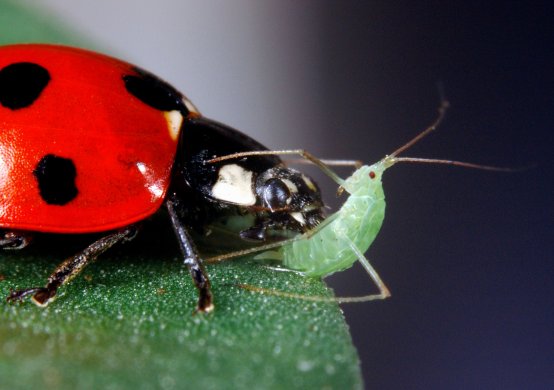
 Sometimes the suicide bombers have more noble intentions than 72 virgins. They can save the whole colony, like in the case of the cabbage aphids that have developed a type of mustard oil "bomb" that helps them keep the predators away, as revealed by a new research. This is the first time when aphids have been found to employ a plant chemical (encountered in the species they eat on) to emit a lethal burst of mustard oil when attacked by a predator, like a ladybird.
This mustard oil contains allyl isothiocyanate, a strong irritating repellent for predators, but the individual that produces the oil dies in the process. While sucking cabbage sap, the aphids ingest compounds called glucosinolates, encountered in the nutrient transport vessels of the plant. The glucosinolates, which are not toxic are then stored in the aphids' blood.
Like the plants, the aphids also synthesize an enzyme named myrosinase, in the muscles of their head and thorax. When a predator attacks, this enzyme is released into the blood, catalyzing a violent chemical reaction which produces the allyl isothiocyanates.
The British-Norwegian team used four different diets for aphid groups. The insects fed on a diet rich in glucosinolates and had a high success rate in keeping off predators, compared to those missing glucosinolates in their diet. The team also discovered the extent to which glucosinolates are stored up by the aphids from birth into adulthood was linked to whether they had developed or not wings. Aphids growing wings experienced a quick decline in the stored glucosinolate levels from the time wing buds start to grow.
"Our study seems to show that aphids that develop wings cease to store this chemical in their blood as they mature, as they don't need the 'mustard oil bomb' to defend themselves from predators when they can just fly away. This is a great example of the way in which a species provides an ingenious method of protecting itself, whatever the circumstances." said co-author Dr Glen Powell from Imperial College London's Division of Biology.
"In the wild, aphids live in clonal colonies, with often many hundreds of individuals crowded together on a plant, and using this poisonous mustard oil defence provides wingless individuals with a powerful means of dispelling a predator which poses a risk to the entire colony. Unfortunately the nature of the mechanism -- with the chemical stored in the insect's blood and the catalyst stored in its muscles -- means that in most cases the individual aphid responsible for seeing-off the ladybird predator dies in the process of protecting the colony," explained Powell.