 14 DAY TRIAL //
 Let's take a quick look at this past week's most important cyber security events. They're mostly focused on the OpWBC hacktivist operation, Twitter hacks, and the distributed denial-of-service (DDOS) attacks on US banks.
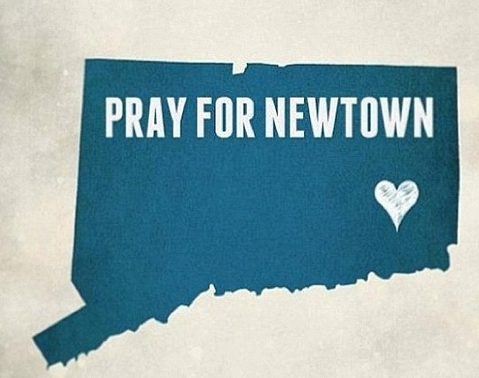
The Newtown shooting has attracted a lot of attention. While most of the world mourned the victims and offered sympathy to their families, one organization, the Westboro Baptist Church, not only threatened to picket the funerals, but they also praised God for sending the shooter.
As soon as they heard, Anonymous hacktivists initiated OpWBC and started attacking the organization's websites.
They disrupted several sites, leaked information belonging to WBC members, and hacked the Twitter accounts of Fred Phelps Jr. and Shirley Phelps-Roper, the son and daughter of Fred Phelps Sr., the head of the Westboro Baptist Church.
Their Twitter accounts weren't the only ones taken over this week. The one of teen mom Farrah Abraham and the one of the Philippines' Department of Social Welfare and Development were also hijacked.
The YourAnonNews Twitter account has been suspended this week for around an hour after the hacktivists published the personal details of several WBC members.
As long as we're talking about Twitter, it's worth mentioning that the social media website has closed a very important security hole which affected the alternative login page.
It turns out that until a few days ago, all the credentials of users who signed in to the site by utilizing the drop-down form, the one that's shown when customers view a profile or a tweet without being logged in, were transmitted in plain text.
This week also marked the second part of phase two of Operation Ababil. Izz ad-Din al-Qassam Cyber Fighters expressed regret for the Newtown incident, but that hasn't stopped them from attacking US banks.
Their latest targets are Wells Fargo, BB&T, US Bank and PNC.
Experts reveal some interesting things about these attacks: they're not as disruptive as the ones from the first part of the operation, and they've been used as a cover-up to commit banking fraud.
There has also been some interesting news about hacking-related lawsuits. Barrett Brown has pleaded not guilty to the Stratfor charges brought against him, and the hacker responsible for leaking private photos of several celebrities – including Scarlett Johansson – has been sentenced to 10 years in prison.
Other noteworthy hacks are the ones that targeted al-Qaeda websites, Yahoo!, some Croatian banks, and the Heroes of Newerth game.
Finally, Iran has identified another destructive piece of malware allegedly developed by Israel and the US. It's not as sophisticated as Stuxnet or other notorious threats, but experts warn that it could still be effective.