 14 DAY TRIAL //
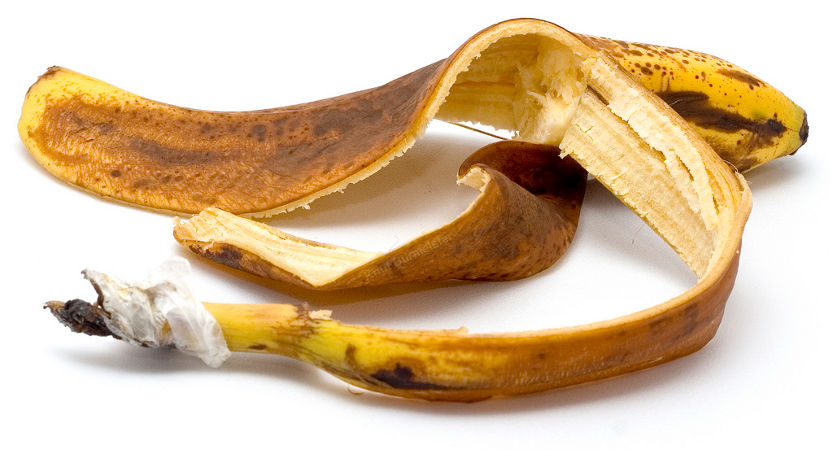
 Slips are some of the most well-known types of flops that humans have, especially in the winter time. Those of us who live in the Northern Hemisphere are more than accustomed to wintertime falls, slides, slips and broken bones. One of the main culprits behind the inconveniences caused by these accidents is the reduced friction, as researchers say. Rather than having the same grip on the soil we are used to during the summer months, ice and frost reduce the amount significantly, causing our weight to make our feet slip on the non-adherent surface.
Around the world, some brave scientists are working around the year on figuring out how slips occur, taking the falls for us. The goal is to develop new methods of staving off huge economic losses, which are caused annually by people having to remain at home after slipping and breaking their bones. For instance, in the case of the United States, the United Kingdom, and Australia, more than $1 billion are lost from the economy each year, on account of the lowered productivity caused by slipping accidents. The intricacies of friction are, however, unwilling to expose themselves to the researchers' keen eyes.
Experts say that even the most advanced supercomputers in the world, such as those modeling what happens when a supernova explodes, or what goes on when a nuclear bomb explodes, get tangled in the complex phenomena that occur when people slip on ice, for example. “Friction is not a material property, it's a system response,” Lulea University of Technology in Sweden expert Roland Larsson says. One of the things that hinder this research the most is the wide variety of materials that is involved in the loss of grip, as well as the presence of other liquids between the contacting surfaces.
Additionally, theorists have no single way of measuring the “coefficient of friction” between two surfaces. This means that, if two researchers in the field get to work on quantifying the frictional forces that appear between two surfaces, they will most likely use two completely different methods of analysis, and will also reach two, very different conclusions. The issue is no laughing matter, as it represents a point of international disagreement, especially in the European Union, NewScientist reports.
Here, all countries need to have the same legislation, and an international commission set up to decide on which tests to use for assessing the slipperiness of a material is currently facing diverging international interests.