 14 DAY TRIAL //
 A new technique developed by a research team at Howard Hughes Medical Institute (HHMI) could provide geneticists with the tissue samples they've needed for years to conduct thorough genetic research on cancer. The unavailability of sufficient samples meant that this type of genetic research had to be done on low amounts of tissue, which significantly narrowed down the possible results researchers could come up with.
The main reason stored cell samples weren't used in researches before is the fact that the DNA and RNA inside them were shredded to pieces by the substance used for sample preservation, called formaldehyde. This chemical is mixed with water and together they form a substance known as formalin, which helps preserve tissues once placed in a wax coating.
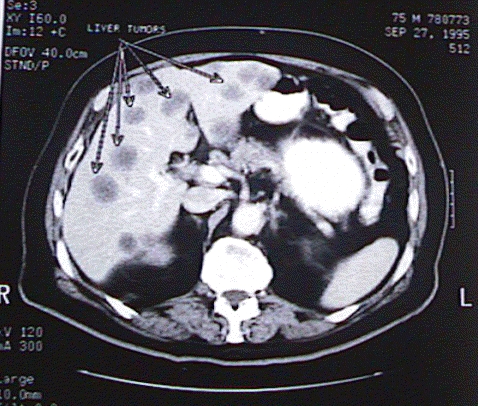
Until now, this posed an insurmountable obstacle in the way of research, but thanks to the new sequencing technique devised by the HHMI team, tiny fragments of DNA (DNA microarrays) can be used to determine the exact gene expressions that led to the development of liver cancer in over 300 patients whose tissue samples have been considered for the experiment.
The scientists managed to reveal that certain gene expression signatures coincide with cases of both healing and reoccurred cancer in those patients. In other words, having studied samples from people where the outcome of the disease was already known, the team extrapolated the results, so as to include previsions on the path the disease would take in currently cancer-infected patients.
Thus, oncologists hope to be able to "foresee" if people could be cured completely or not by various treatments, by screening their DNAs with this new method. Those patients who exhibit the risk of cancer coming back could be treated before this happens and the restart of liver cancer could be prevented. The big prize, however, is to extend this technique to all cancer types, so that scientists could develop a comprehensible way of dealing with the disease.