 14 DAY TRIAL //
 The Durban summit is expected to provide an effective framework meant to cope with the continuously growing food prices. Experts and organizations put all their hopes in negotiations on climate change, since the lives of people living in poor countries depend on the impact of strict regulations.
Oxfam affirms that current grain and rice shortages will become even more visible as the effects of climate change will worsen. Monsoons and harmful wildfires will affect a larger segment of the already vulnerable population that struggles to put food on the table, reports the Independent.
The summit could facilitate the implementation of highly beneficial changes. Once the governments' representatives agree upon a set of regulations aiming to curb the greenhouse gas emissions, their usage will most likely increase the protection of poor countries, threatened by famine and poverty.
The Copenhagen summit has previously handled this matter, but without any efficient results. Two years ago, officials reached the conclusion that $100m (£64.7m) provided every year would be enough to respond to the demand coming from poor countries affected by global warming, by 2020.
Authorities must scale up their efforts and think about appropriate ways of raising this enormous amount of money, or else the people from developing countries will experience the dramatic consequences of famine boosted by climate change.
Despite the great importance of an international agreement, this goal seems far from being achieved, since it will be hard to reconcile different points of view coming from 194 governments that announced their presence at the convention.
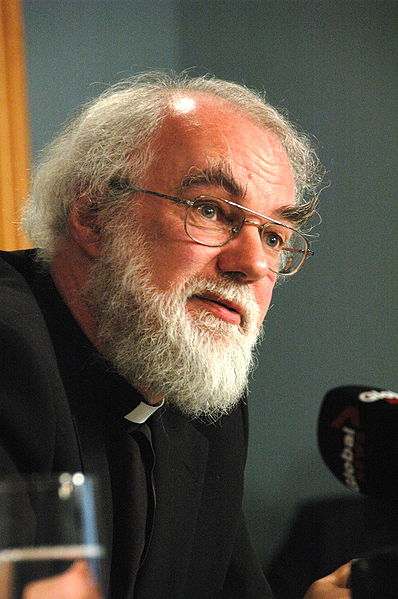
The seriousness of the current situation made the Archbishop of Canterbury declare that authorities will have to “step up to the responsibilities only they can exercise.”
The Kyoto Protocol is meant to control the carbon emissions of rich nations, but its authority expires next year. Representatives from Russia, Canada and Japan suggested that they would dismiss a new agreement.
The US has never agreed with the Kyoto protocol and, along with China and many more developing countries, they plan to reject any legal framework stronger than its predecessor.