
Softpedia
 

NEWS CATEGORIES:


NEWS ARCHIVE >>
SOFTPEDIA REVIEWS >>
MEET THE EDITORS >>
Home > News > Science > Sci Pry

December 11th, 2008, 08:17 GMT · By

Piezoelectric Crystals Turn Roads into Power Plants

SHARE:

Adjust text size:


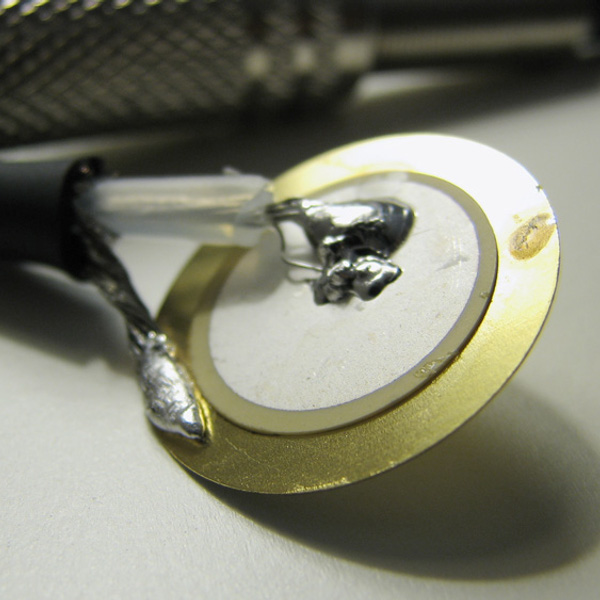
A small microphone, made of piezoelectric materials
Enlarge picture
A new design, devised by Haim Abramovich, a developer at the Technion-Israel Institute of Technology in Haifa, Israel, may hold the key to harnessing the power of moving vehicles to create electricity, he says. Piezoelectric crystals could be used to absorb heavy traffic and convert a 1 kilometer stretch of highway into a 400 kilowatt power plant, much like Japan's railway project.


Innowattech, Abramovich's Haifa-based spin-off company, already announced its intentions of testing the new system as early as January 2009, on a short stretch of highway, about 100 meters long, in Northern Israel. The researcher says that, if successful, the new concept could be implemented in many highways and freeways, through basic maintenance work, without the need for further digs in the pavement.


Piezoelectric materials, crystals and ceramics, have the ability to generate a small electric potential when they are subjected to mechanical stress, which makes them suitable for a variety of applications, from harnessing sounds to producing electricity. Piezoelectric concepts include the use of these small devices to capture sound waves from cell phones and convert them into current to feed the battery. This would basically create a self-powering device that would never need refueling.


Critics to the Israeli system say that inserting this type of materials in the surface of the road would basically increase the traction force cars would have to exert on the road, as the surface of the street would resemble that of a mud-covered area. This would mean that fuel consumption would increase, though even opponents admit that powering roadside structures would be very beneficial to everyone.


Regardless of this project, the future of piezoelectric materials looks bright, with studies focusing on their properties and applications even in nanotechnology. If a compromise between the hardness of the road and the make-up of the small devices is reached, then undoubtedly the system will benefit both drivers and the Israeli national power grid.


TELL US WHAT YOU THINK:

9,877 hits · 8 comments · Link to this article · Print article · Send to friend · Subscribe to news

MUST-READ RELATED ARTICLES:


The Basis for Self-Powering Devices Is Set

Tokyo Railway Will Have Piezoelectric Power Generators

Microscopic Hair Could Improve Submarine Navigation

Some Religious Groups Don't See Nanotechnology as Morally Acceptable

Omniphobic Material Repels Any Liquid

READER COMMENTS:


Comment #1 by: Yankin on 24 Jun 2009, 23:56 UTC reply to this comment

Hard to believe this guy is a "science editor," as he doesn't seem to grasp conservation of energy. Recouping the soundwaves from cell phones would not create a "self-powering device that would never need refueling." Only a small part of the total energy used in a cell phone is turned into sound, and only a small part of that sound would be turned back into electricity. At best, such a technology might modestly boost battery life.


Comment #2 by: tanisha on 25 Jun 2009, 09:56 UTC reply to this comment

its a very good development towards more advanced future energy growth


Comment #3 by: suresh on 02 Jan 2010, 21:29 UTC reply to this comment

why can't we use crystals both in road and at the base of vehicle wheels


Comment #4 by: Santhosh S Kiran on 06 Jul 2010, 18:48 UTC reply to this comment

As the installation cost becomes very high to arrange the crystals all along the length of the road, they can be arranged in such a way that the length of the crystal plate meets the distance between two pairs of tyres of a very heavy vehicle and these are to be placed at random places on a road so that sudden movement of vehicle on this gives rise to increased potentials to generate good amounts of power.


Comment #5 by: dani on 20 Oct 2010, 07:16 UTC reply to this comment

how much volts can be produced using piezoelectric material?

Comment #5.1 by: Vicky on 19 Aug 2011, 17:00 GMT

depend on type of material.


Comment #6 by: MAMOENERGIE on 26 May 2011, 15:01 UTC reply to this comment

These systems and 17 further developed our company in the years 1992/93.
If requested, we are also willing to send the necessary documents.

Paul Link (Manager R&D)

MA-MO GmbH ENERGIESYSTEME
Bitburger Str 42-44
13051 Berlin (Germany)
Tel: +49 (30) 70 22 38 78
E:mamoenergy@aol.com


Comment #7 by: diyah on 14 Jan 2012, 09:15 UTC reply to this comment

so amazing, renewable energy in the future, i would like to know some journal that related with piezoelectric,, thanks and regards

Copyright © 2001-2012 Softpedia. Contact/Tip us at

WindowsGamesDriversMacLinuxScriptsMobileHandheldNews

SUBMIT PROGRAM   |   ADVERTISE   |   GET HELP   |   SEND US FEEDBACK   |   RSS FEEDS   |   UPDATE YOUR SOFTWARE   |   ROMANIAN FORUM