 14 DAY TRIAL //
 Experts have recently been horrified to learn that some pests have developed immunity to a lot of chemicals that genetically modified (GM) crops produce, for the specific purpose of keeping the former away. The find is potentially devastating because food supplies of a certain type could be in peril around the world, and, if anything happens to the crops, the global food crisis, which is only now beginning to settle down, could receive sufficient “fuel” to last for a few extra years.
What's even more important is that the predators have learned to master the dangerous toxins the plants produce against them, even if the crops were designed specifically to produce as many natural pesticides as possible. Experts now believe that the main reason why this happens is because most plants target a single insect in a single manner. They argue that it could prove to be a lot better to simply go with a “pyramid approach,” in which all of a pest's known weaknesses would be exploited by more than one pesticide or plant-produced chemical.
“This is the current trend of all the companies. They are all combining more than one gene to have better control and to delay resistance,” Spanish expert Juan Ferr, a University of Valencia geneticist, explains. Missouri, US-based Monsanto, the company that receives most critics from environmental activists due to the disastrous effects its plants have on the soil, and on the fertility of other crops, is, for instance, getting ready to release a line of maize that would essentially produce eight genes involved in plant defense. It will be able to resist the attack of plants and insects alike, Monsanto says.
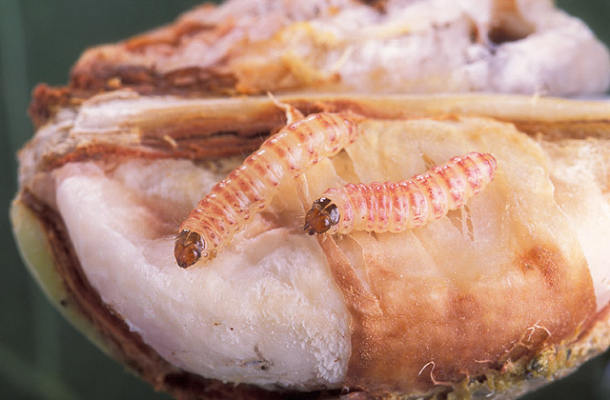
Experts at the University of Arizona in Tucson, led by Entomologist Bruce Tabashnik, discovered by accident that strains of pink bollworm (Pectinophora gossypiella) could evolve to become resistant to the Cry1Ac proteins the cotton fields expressed against them. They reached this result as they were cultivating the worms in the lab, to study a second plant protein that could easily kill, Cry2Ab, on them.
The researchers noted that, when growing worms on a diet laden with the second protein, the ensuing organisms were able to withstand 40-times higher levels of Cry2Ab than normal, as well as 420-times higher concentrations of Cry1Ac, Nature News reports.