 14 DAY TRIAL //
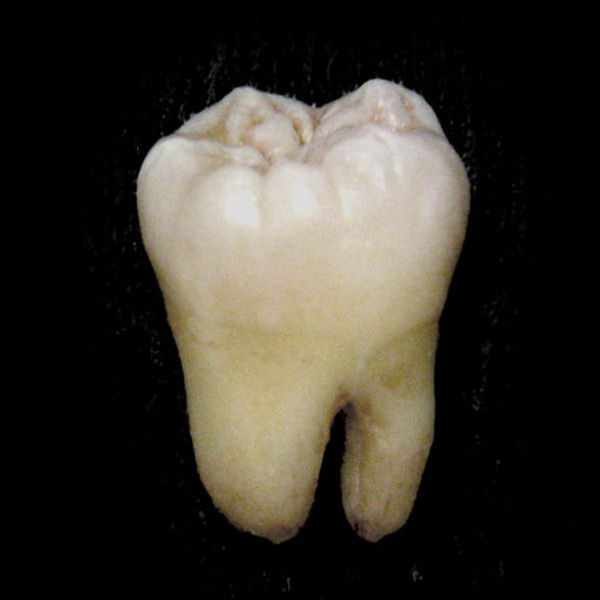
 A group of experts from the Columbia University, in the United States, announces the development of a new approach to dental care, which could see old dental implants and fillings become history. The technique revolves around using stem cells to grow new teeth, and it has already proven to be a valid approach in laboratory tests. The investigation was led by the CU Edward V. Zegarelli professor of dental medicine Dr. Jeremy Mao, who is based at the university's Medical Center. He and his team conducted the work out of the CU Tissue Engineering and Regenerative Medicine Laboratory.
What the new technique does is essentially coordinate the way in which stem cells migrate in a three-dimensional (3D) scaffolding. This allows the researchers to use the gums of patients as the scaffolds, and infuse it with growth factors. Once the stem cells make their way to their designated location, they start growing a new, anatomically-correct tooth, which is completely developed less than 9 weeks after the original implantation. Under these circumstances, if the method works and gets approval, it would make little sense in the future to take care of cavities and other issues with fillings. Simply removing the tooth and growing it back may become the recommended course of action.
“These findings represent the first report of regeneration of anatomically shaped tooth-like structures in vivo, and by cell homing without cell delivery. The potency of cell homing is substantiated not only by cell recruitment into scaffold microchannels, but also by the regeneration of periodontal ligaments and newly formed alveolar bone,” the CU researchers write in a paper accompanying the findings. The work is detailed in the latest issue of the esteemed scientific Journal of Dental Research. The experts add that the method allows for the tooth to grow directly into its socket, and to integrate itself with surrounding tissue to a degree that is simply impossible to attain using other materials.
“A key consideration in tooth regeneration is finding a cost-effective approach that can translate into therapies for patients who cannot afford or who aren't good candidates for dental implants. Cell-homing-based tooth regeneration may provide a tangible pathway toward clinical translation,” Mao says. “This research provides an example of what is achievable when today's biology is applied to common clinical problems. Dr. Mao's research is a look into the future of dental medicine,” concludes the dean of the CU College of Dental Medicine, Dr. Ira Lamster.