 14 DAY TRIAL //
 Nearly 40 years ago, a group of visionaries began storing skin cells from various endangered species in deep-freeze. Now, their efforts are praised by scientists who develop methods of producing stem cells from the stored samples. These cells can be used to revive endangered or extinct species.
When the conservation effort began in 1972, experts did not know about stem cell technologies or regenerative medicine, but they stored the samples in hopes that one day science will figure out a way to turn them into something useful.
Now, as stem cell-based technologies are being developed, it is becoming increasingly clear that such samples could one day help us repopulate the world with extinct or disappearing animal species.
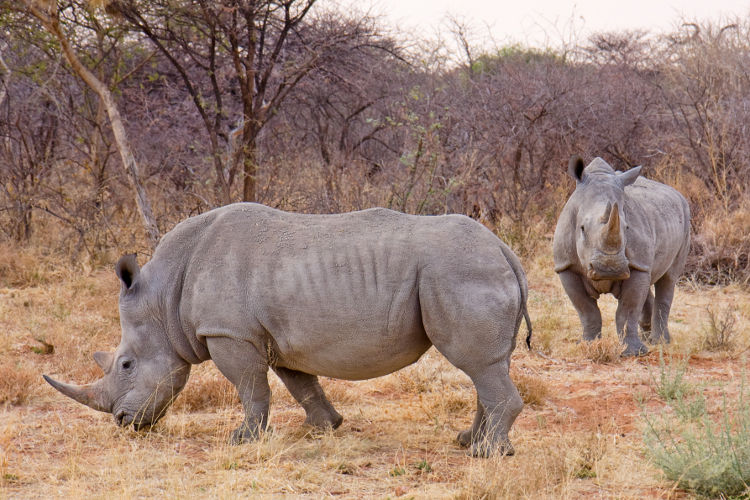
A group of investigators from the Scripps Research Institute (SRI), in La Jolla, California, recently managed to demonstrate that it is possible to turn frozen skin cells into viable stem cells. They used samples collected from the silver-maned drill monkey and the northern white rhinoceros.
These two species are highly-endangered, therefore providing the necessary incentive for the team. By creating stem cells from these samples, researchers could become able to study some of the diseases affecting the rarest animals in the world.
For example, drill monkeys that live in captivity are extremely affected by diabetes, one of the conditions against which researchers are using stem cell-based therapies. The effort could therefore benefit both species, allowing the monkeys to endure and survive, Technology Review reports.
But the real goal of using regenerative medicine technologies on animals is the creation of sperm and egg cells, which could then be used to diversify the gene pools of species that are currently in a genetic bottleneck. Humans were in a similar mess fairly recently, some 11,000 years ago.
The white rhinoceros, for example, has not bred in years due to genetic issues. There are only seven such creatures alive today, which means that the species will go extinct when they die. Certain species of elephant and the snow leopard, among others, are in similar conditions.
At this point, the “Frozen Zoo” has samples belonging to some 800 species. “To think of the foresight they had in the 1970s to start this program,” says SRI Center for Regenerative Medicine director Jeanne Loring.
“No genome had been published, and the concept of this ever happening was science fiction,” she adds, explaining that her team used a technique called induced pluripotent stem (iPS) cell reprogramming to obtain stem cells from frozen skin cells.
Details of the investigation were published in last week's issue of the top scientific journal Nature Methods.