 14 DAY TRIAL //
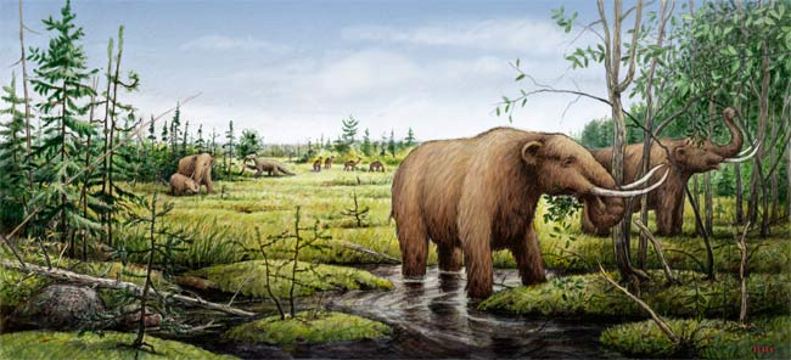
 Mammoths and mastodons were the largest land-based animals to have walked the surface of the Earth some 13,000 years ago. In spite of dominating the landscape, their ultimate faith has remained somewhat of a mystery to researchers, who still cannot find any reasons why these huge, adapted mammals might have disappeared in an instant of geological time. Maybe the answers lie in the traces that they left behind, some researchers say, and they mean it literally, LiveScience reports.
A new series of scientific studies focused exclusively on dung fungus, as researchers attempted to figure out what happened to the landscape shortly after the giant animals disappeared. The first conclusion to be drawn, they reveal, is the fact that the landscape changed considerably after the mammoths and mastodons went extinct. “As soon as herbivores drop off the landscape, we see different plant communities,” Jacquelyn Gill explains, quoted by LiveScience. She is the lead researcher for the new paper, and holds an appointment in the University of Wisconsin in Madison (UWM). Basically, Gill adds, the extinction of the beasts resulted in an ecosystem upheaval.
In addition to being perfectly capable of taking care of themselves, and looking astounding, mammoths and mastodons also played a very important role in the ecosystem, by keeping tree growth in check. They consumed massive amounts of leaves each day, so they prevented the trees from spreading out of control. But their disappearance meant that the forests could spread indefinitely. Wildfires naturally broke out, as massive amounts of dry wood were left on the forest floor. Intense heat caused them to ignite, creating massive fires that emitted impressive amounts of carbon dioxide (CO2) into the atmosphere.
The team says that this is a warning of what may happen if we, as a society, continue to ignore the impact that large herbivores such as elephants have on the environment. “We know some of these large animals are among the most threatened that we have on the landscape today and they have a lot of large habitat requirements and they eat a lot of food. If these animals go extinct we can expect the landscape will respond,” Gill says. Details of the investigation appear in the November 20 issue of the top journal Science.