 14 DAY TRIAL //
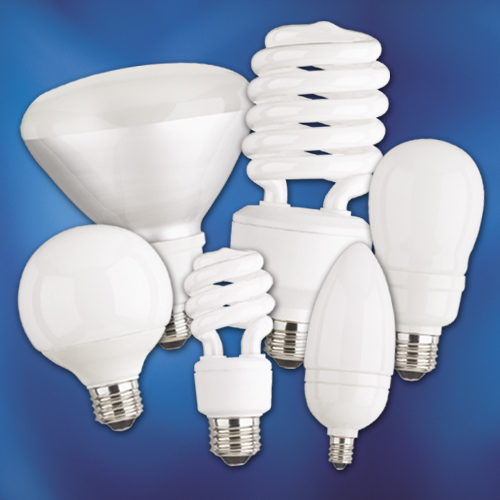
 They're turning increasingly common and seem to soon replace the traditional incandescent bulbs just the way DVDs replaced cassettes. But compact fluorescent light bulbs (CFLs) are breakable and contain a toxic liquid metal, that's why many regard them as harmful for the environment.
Now experts show that mercury poisoning from the energy efficient CFLs are exaggerated. Each cool-burning CFL contains about 5 mg of mercury sealed inside, a powerful neurotoxin and long-lived contaminant which is released when the bulbs break.
The critics often signal the story of a Maine resident, who paid a clean-up bill of over 2,000 U.S. dollars by breaking just one CFL in her home. But in the end the huge bill was the result of bad advice.
"There's a lot of misleading information out there. But when people learn the facts, the level of hysteria dies down. Like with many other household products, the use of CFLs requires some commonsense precautions " said Joel Hogue, president of Elemental Services and Consulting, an Ohio-based company specializing in the cleanup of sites contaminated with mercury.
"There's an extremely small amount of mercury in those bulbs. It's a very minimal risk and can easily be cleaned up at home." said Hogue, pointing that his company's services are not necessary in these cases.
5 mg of mercury means 100 times less mercury than encountered in a single dental amalgam filling or old-style glass thermometer.
The concerns over mercury made the governments of Canada and Australia take plans to phase out the sale of CFLs by 2012 and similar measures could be introduced around the world.
But the popular switch is taking place as CFLs are cost and energy-savers: they consume under 25 % of the energy consumed by traditional bulbs (saving about $50 yearly in a household in electricity bills) and last 8-10 times longer (traditional incandescent bulbs waste about 90 % of the energy in radiating heat rather than light emission). CFLs also slow down global warming: less coal must be burned to fuel them with energy; burning that dump releases huge amounts of carbon dioxide into the atmosphere.
A recent report by the Washington, D.C.-based Earth Policy Institute points that a worldwide change to CFLs would make possible the closing of over 270 coal-fired power plants, 80 only in the US. Paradoxically, the cut down on burning coal would decrease mercury pollution.
"By using less electricity, CFLs help reduce mercury emissions from coal-burning power plants, which are the largest source of human-caused mercury emissions in the United States," said EPA's agency press officer Ernest Jones.
And 95 % of the mercury of the CFLs can be recovered in case of proper recycling of the bulbs.
"The best option for managing a spent CFL is to recycle it. Short of that, the next best option is to safely store the lamp until an opportunity for recycling becomes available," said Michael Bender, head of the Vermont-based Mercury Policy Project, an organization aiming to decrease mercury pollution worldwide.
When a CFL breaks, EPA experts advise a few measure to avoid mercury vapor: children and pets to stay out of the area and windows should be kept open for over 15 minutes to let the vapors disperse.
"Use rubber disposable gloves and scoop up the materials with stiff paper or cardboard. Use sticky tape to pick up small pieces and powder, clean the area with a damp paper towel, and dispose of the materials in an outside trash can." said Bender.
"Never use a vacuum. This will only disperse the mercury vapor and leave particles trapped inside the cleaner bag." explained Hogue.