 14 DAY TRIAL //
 Members of the Committee on Science, Space and Technology in the US House of Representatives were told yesterday, October 12, that the failure of a Russian-built rocket a few weeks ago will not affect the schedule of the International Space Station, or force astronauts to evacuate the outpost.
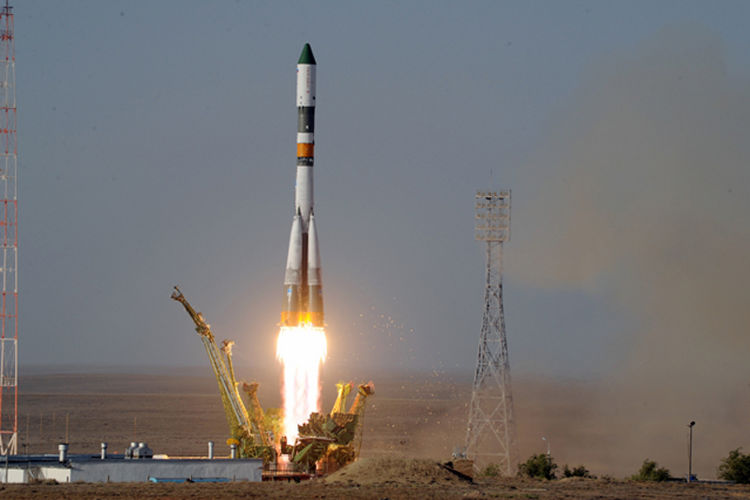
The unmanned resupply capsule in question, designated Progress 44, failed during launch on August 24. It was carrying several tons of fuel, water, food and personal items to astronauts in low-Earth orbit (LEO) when it was lost.
Immediately afterwards, the Russian Federal Space Agency (RosCosmos) canceled all Soyuz and Progress flights, pending the conclusions of an in-depth investigation it launched into the deep roots of the unfortunate accident.
The panel of experts concluded that the failed mission was the result of a poor quality-control check, and not a design flaw built within all Russian capsules. Lawmakers were told on Capitol Hill that NASA agrees with this assessment.
Officials at the American space agency took a deep interest in the matter because the rocket used to carry Progress capsules to space is the same used to carry the manned Soyuz capsules to the ISS. And NASA has already purchased several seats on upcoming Soyuz flights.
“NASA's confident that our Russian partners identified the most likely failure cause and has a sound return-to-flight plan,” the NASA associate administrator for the Human Exploration and Operations Directorate, Bill Gerstenmaier, told Committee members.
He added that the next manned Soyuz mission will most likely launch before the three astronauts currently onboard the ISS have to return to Earth. Their mission ends on November 22, and replacements must arrive in orbit by that time, Space reports.
At this point, RosCosmos plans to launch its next spacecraft on November 14, which would give astronauts and cosmonauts aboard the station ample time to exchange crews. If all goes according to plan, the departing and arriving astronauts will spend 5 days together, exchanging data on the ISS.
A NASA research group “did kind of a background check to make sure that the conclusions the Russians were drawing were reasonable. We completed that review today within the agency, and we agree with the basic Russian findings,” Gerstenmaier told lawmakers.
“We're confident that the two launches anticipated – one of Progress and the Soyuz launch, hopefully, in mid-November – will put the current issues to rest and return us to a steady-state operation,” the chairman of the Aerospace Safety Advisory Panel, Joseph Dyer, concludes.