 14 DAY TRIAL //
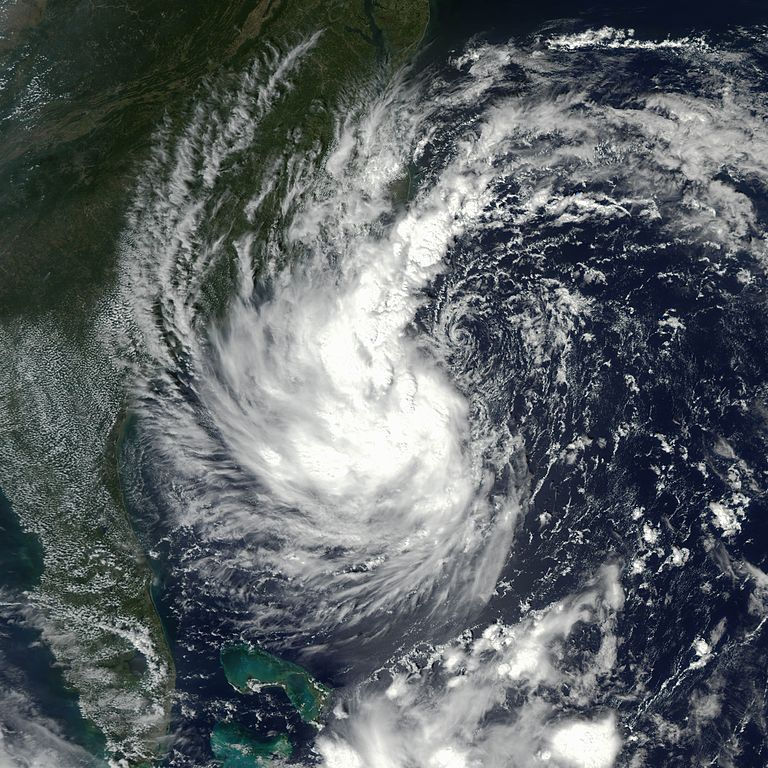
 A group of atmospheric scientists from the University of Leeds in the United Kingdom is currently investigating a method that could allow experts to reduce the intensity of tropical storms and cyclones by at least one category.
The approach relies on controlling the development of clouds over a given area. If new clouds can be seeded at certain locations where hurricanes traditionally form, then sea surface temperatures could be lowered, making it more difficult for the adverse weather phenomena to form.
Gaining control over one of the most destructive forces of nature would be a major plus, especially when looking back at some of the most devastating instances of when hurricanes made landfall (Katrina is the first and most recent to come to mind).
In a paper published in the latest issue of the journal Atmospheric Science Letters, Leeds scientists explain that, in theory, seeding clouds at areas known to spawn tropical storms could reduce sea surface temperatures by lowering the amount of sunlight hitting the water.
In theory, they add, this measure should decrease hurricane intensity by at least a category, which would be a major step forward in reducing the damages these weather phenomena cause when they make landfall over populated areas.
Researchers decided to target marine stratocumulus clouds because they cover up to a quarter of the world's oceans at any given time, while at the same time flying at low altitudes, below 2,400 meters (roughly 8,000 feet).
“Hurricanes derive their energy from the heat contained in the surface waters of the ocean. If we are able to increase the amount of sunlight reflected by clouds above the hurricane development region then there will be less energy to feed the hurricanes,” says Dr. Alan Gadian.
The expert, who holds an appointment as a professor at the University of Leeds School of Earth and Environment, says that this atmospheric manipulation technique is called Marine Cloud Brightening.
“Much more research is needed and we are clear that cloud seeding should not be deployed until we are sure there will be no adverse consequences regarding rainfall,” Dr. Gadian goes on to say.
“However if our calculations are correct, judicious seeding of maritime clouds could be invaluable for significantly reducing the destructive power of future hurricanes,” he concludes.