 14 DAY TRIAL //
 The Hubble Space Telescope is definitely not in its prime anymore, but it doesn't mean it can't retrieve valuable data.
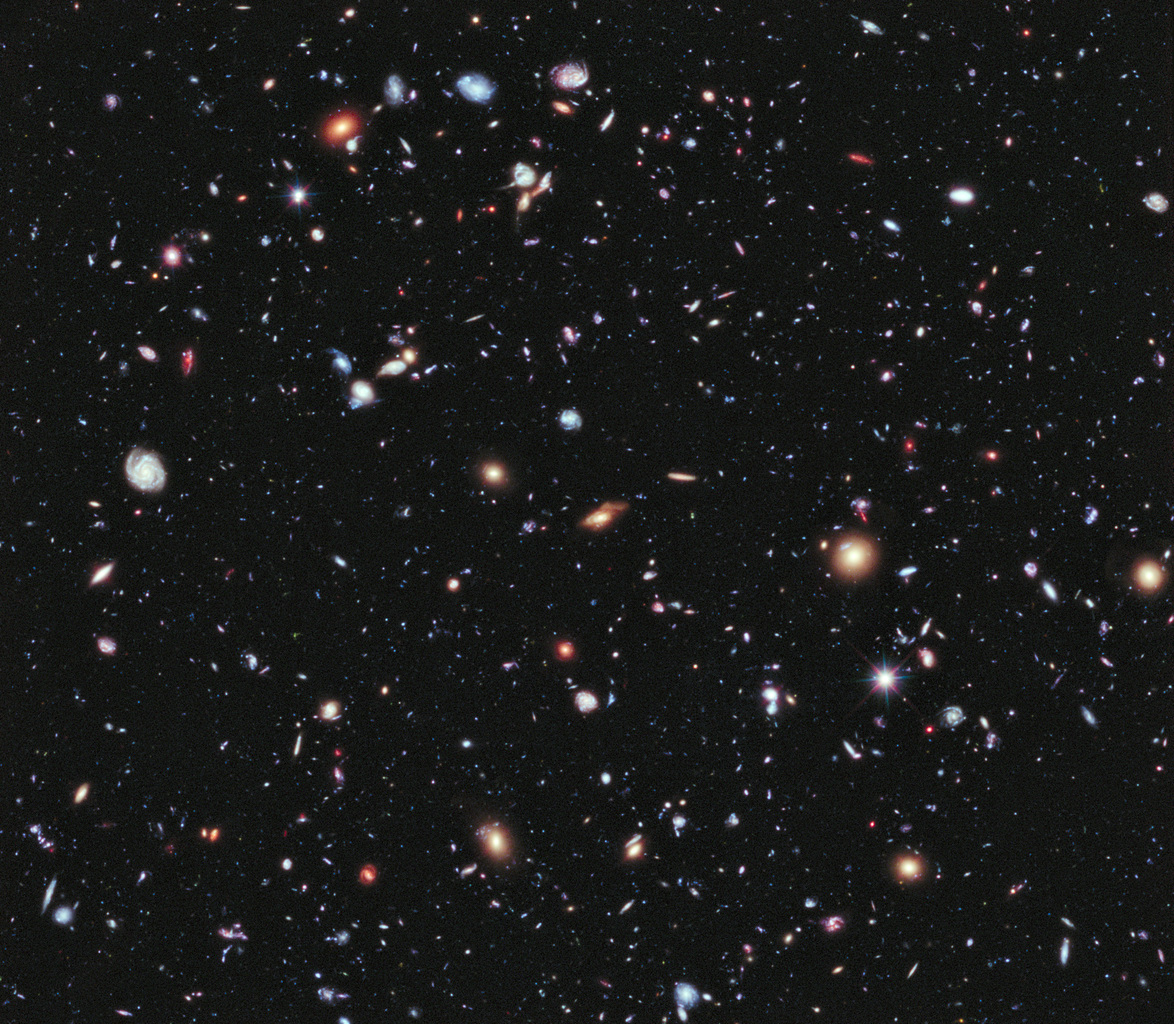
The deep field image it captured almost two decades ago remains one of the best known astronomical photos in the world. Since then, Hubble has looked at the same patch of sky in even greater detail.
But now, it's gearing up for six different deep field images over the next few years. The plan is to select six more seemingly spots in the sky and stare at them for a long time, which is how you get an image of these faraway places.
The initial deep field photo and the subsequent Ultra Deep Field and the later eXtreme Deep Field of last year, all of the same small spot, provided images of some of the oldest galaxies ever discovered.
Scientists will pick six more empty spots and see what lies there at a great distance. The expectation is to find a large number of very distant galaxies, like the first time.
Of course, it's possible, though unlikely, they won't find much and that the first spot was actually an outlier.
Each of the six new images will require Hubble to collect light for 45 hours for enough data to be collected for an image.
For the first time, astronomers will also take advantage of the gravitational lensing effect of galaxies and galaxy clusters to peek even further than the optical gear would allow it. This should mean that Hubble will be able to zoom in on a further away spot.
The images will be taken over the next three years. Hubble has been in service for 23 years now, though its planned mission was much shorter, and it's hoped that it will be operational until 2018, by which time the James Webb Space Telescope should have been launched.