
Softpedia
 

NEWS CATEGORIES:


NEWS ARCHIVE >>
SOFTPEDIA REVIEWS >>
MEET THE EDITORS >>
Home > News > Linux > Ubuntu Tips and Tricks

May 28th, 2009, 11:53 GMT · By

How to Replace the Volume Control in Ubuntu 9.04

SHARE:

Adjust text size:


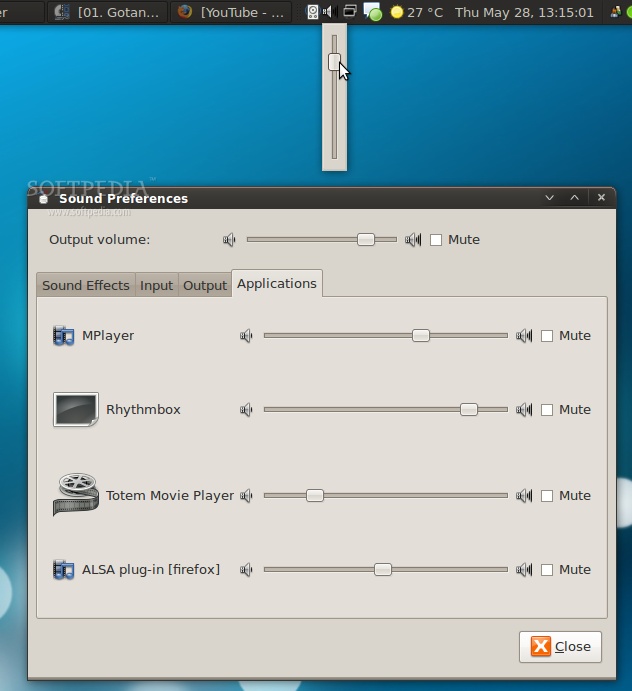
PulseAudio volume control, allowing you to individually control the volume of different applications
Enlarge picture
I have recently heard someone cursing Canonical for not implementing the highly acclaimed PulseAudio volume control into the new Ubuntu 9.04 (Jaunty Jackalope) operating system, a function that exists in the newly released Mandriva 2009.1 (Spring) distribution. First, let me tell you what the PulseAudio volume control can offer. Except for the fact it is much better than the old ALSA or OSS sound servers, it will offer you the ability to individually control the volume of each running application that uses the sound server, including web-based ones, such as flash players (YouTube, Google Videos, etc). So, as usual, I thought this would be an easy-to-achieve task and I've created the following guide, which will teach you how to replace the default volume control in Ubuntu 9.04 with PulseAudio's smarter one, in only five minutes!

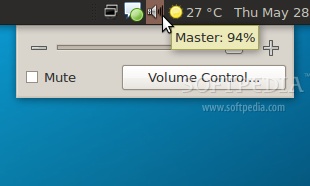
This is how the volume control looks like in a default installation of Ubuntu 9.04 (Jaunty Jackalope)...
Review image


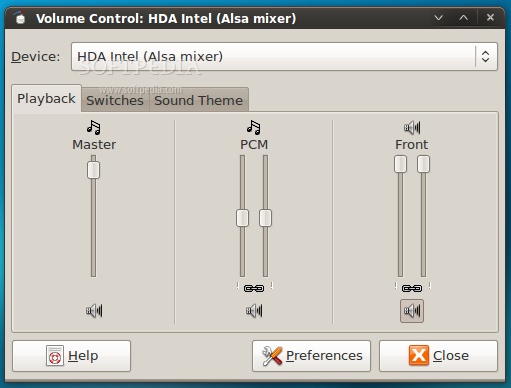
The default playback sound server is set to ALSA...
Review image


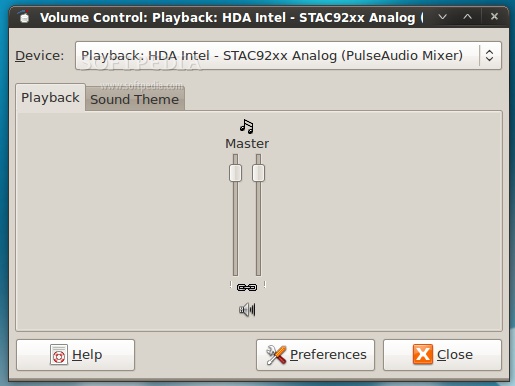
Even if you switch to PulseAudio, you won't have the "Applications" tab we talked about at the beginning of the article...
Review image


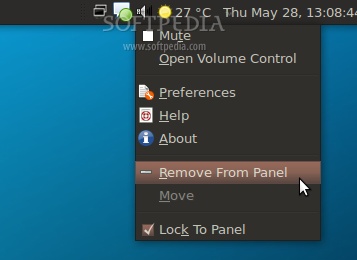
Therefore, you need to remove the default volume control applet. Right click on it and select the "Remove From Panel" option...
Review image


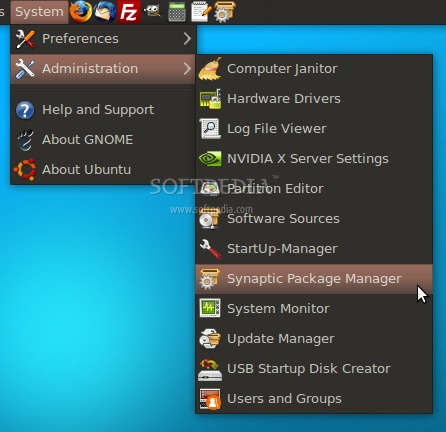
Now, go to System -> Administration -> Synaptic Package Manager...
Review image


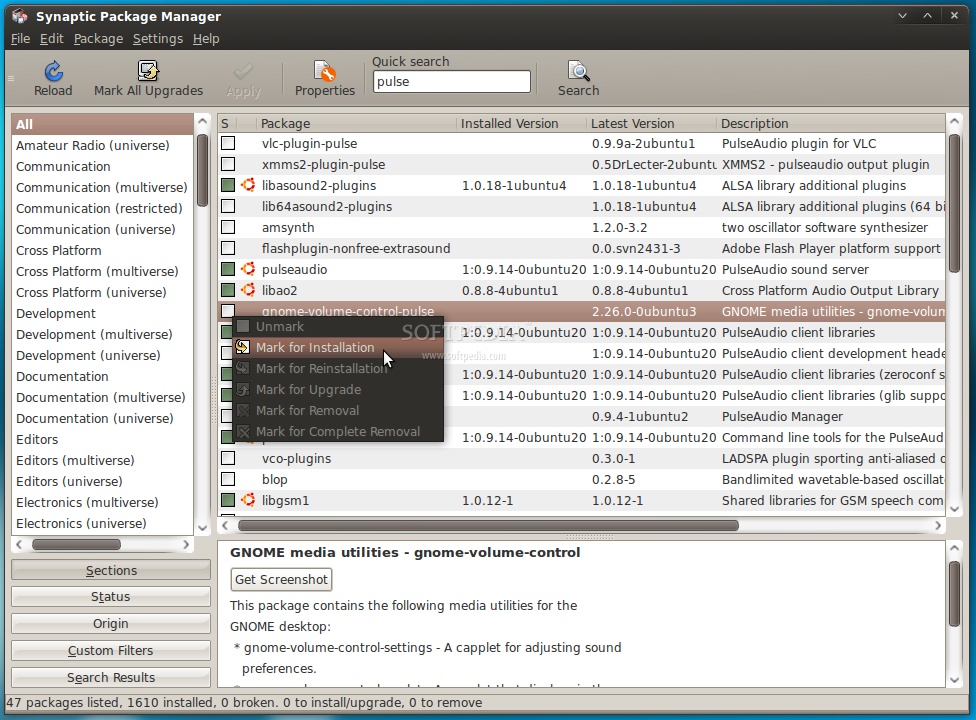
Input your password if asked. When Synaptic is loaded, type pulse in the "Quick search" box. When the results are displayed, left click on the box in front of the gnome-volume-control-pulse entry and select the "Mark for Installation" option...
Review image


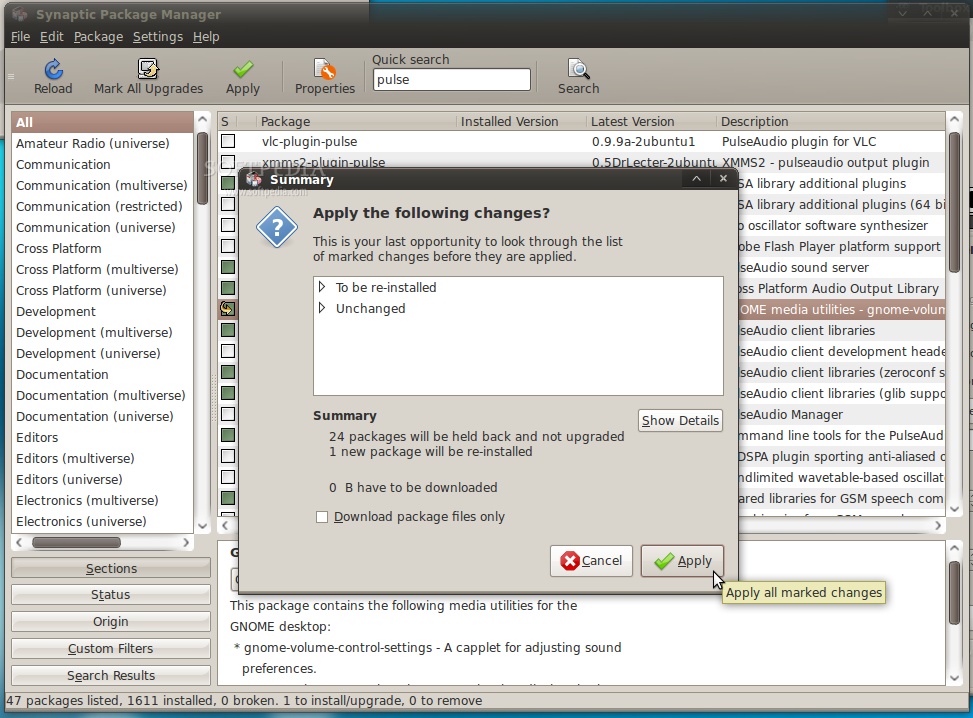
Click the "Mark" button when asked and click the "Apply" button. When the Summary window appears click the "Apply" button to start the installation...
Review image


Wait for the package to be installed...
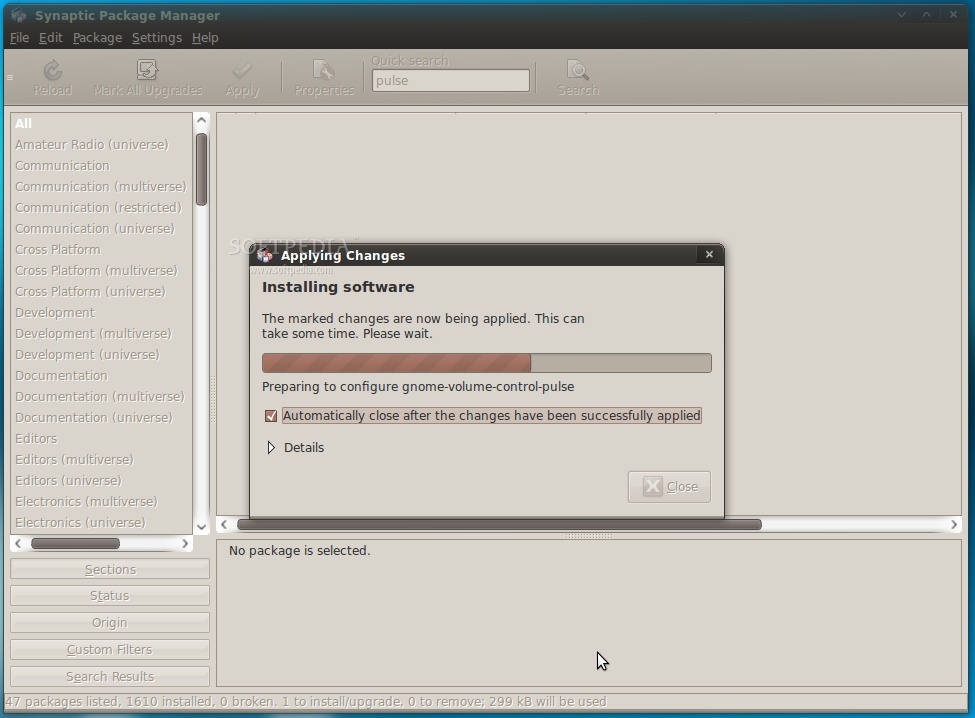
Review image


Close Synaptic and log out! Log back in and you will notice that you have a new volume control...
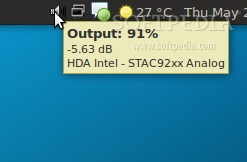
Review image


... one that offers you the ability to individually control the volume of each application that uses the sound server.
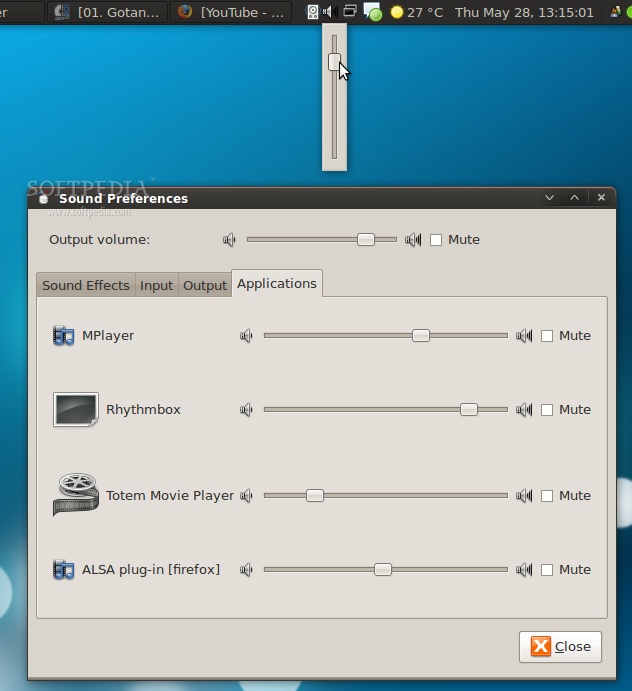
Review image

TELL US WHAT YOU THINK:

43,461 hits · 7 comments · Link to this article · Print article · Send to friend · Subscribe to news

MUST-READ RELATED ARTICLES:


How to Fix VirtualBox USB Support

Installing Ubuntu 9.04

SouthEast LinuxFest: Be There

CentOS 5.3 Live CD Released

Linux Mint 7 Is Based on Ubuntu 9.04

READER COMMENTS:


Comment #1 by: Carl on 28 May 2009, 12:32 UTC reply to this comment

So simple. Thanks! I wonder why this feature is hidden? Not stable enough?

Comment #1.1 by: Marius Nestor on 28 May 2009, 12:46 GMT

You're welcome! I believe it is very stable.... it is part of the GNOME suite and it is at version 2.26.0. There is one small issue though... it appears that the volume is not as powerful as on the default one.


Comment #2 by: Carl on 28 May 2009, 13:58 UTC reply to this comment

I see. I think it will be worth keeping this volume control, it gives much more control over sound than the previous one. Thanks again.


Comment #3 by: dtom2444 on 02 Jun 2009, 07:57 UTC reply to this comment

Uhhh...small problem, when headphones are pluged into a laptop, the front speakers still play. Before, there was a way to mute the speakers and have the sound play through the headphones alone. With this, it seems like there's no way to do this. Anyone know of a possible solution?

Comment #3.1 by: Sparazza on 18 Jun 2009, 18:45 GMT

For the headphones problem install pavucontrol from Synaptic and here, in the "configuration" tab you can control the hardware output of the audio and in the other tabs you can choose the volume for each channel (center, left, right ...)

Byebye
Sparazza


Comment #4 by: Jeff on 17 Jul 2009, 17:40 UTC reply to this comment

glorious! thank you so much!


Comment #5 by: taz on 18 Oct 2009, 05:46 UTC reply to this comment

ALSA's not a sound server, it's a kernel sound subsystem (eg, soundcard drivers). same for OSS. PulseAudio runs on top of ALSA, not instead of it. ESD is another example of "sound server".

Copyright © 2001-2012 Softpedia. Contact/Tip us at

WindowsGamesDriversMacLinuxScriptsMobileHandheldNews

SUBMIT PROGRAM   |   ADVERTISE   |   GET HELP   |   SEND US FEEDBACK   |   RSS FEEDS   |   UPDATE YOUR SOFTWARE   |   ROMANIAN FORUM