 14 DAY TRIAL //
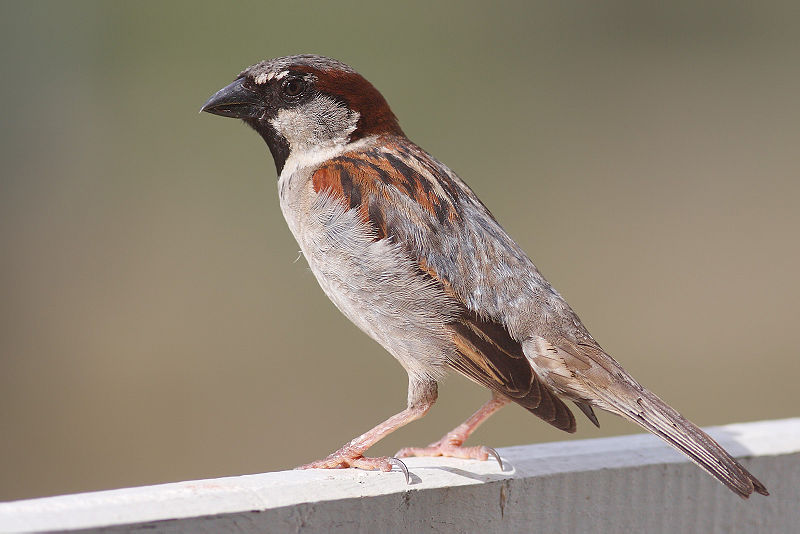
 Birds have gathered around human settlements since the earliest days, because villages and cities offer them an inexhaustible source of food. Over time, some of the species were domesticated, like the house sparrow, and became increasingly connected with people. According to studies, it may be that these interactions are actually modifying the way in which certain bird species evolve, and may even force the appearance of new species. Such is the case, investigators say, with the Central European blackcap warblers, which are on the course of splitting into two different groups, Wired reports.
These birds used to have a single option for spending winter, and that was flying to Spain or starving. Over recent years, a large number of the creatures switched their destination, and are now heading to the United Kingdom for the winter. While this may seem counterintuitive, given the large temperature differences between Spain and the UK, the blackcaps do this for a very sound reason – the latter boasts a large number of people that feed birds. Right now, there is a considerable difference between the birds flying to the UK, and those going to Spain.
Evolutionary biologists believe that this species will soon split into two, as the varieties already show signs that they are on different evolutionary tracks. “This is reproductive isolation, the first step of speciation,” University of Freiburg evolutionary biologist Martin Schaefer explains. He says that the new trends are very different from the ones observed by Charles Darwin. The famous scientist showed that new species generally appeared when a group was separated by sea or large stretches of land, but the new differences are prompted by a very innocent human behavior – caring for animals.
Changes are most observable in the UK-bound birds. Their beaks, for instance, are growing accustomed to eating human-thrown food, and are therefore losing capacity. Usually, the blackcaps ate large Mediterranean olives in the winter, but they no longer need this adaptation. The shape of their wings is also changing. They no longer need long wings for flying over large stretches of land. As a result, their wings are now getting rounder, a trait that favors mobility over endurance. The biologist is currently keeping an eye on how hybrid offspring of members from the two groups are surviving. If cross-breeding becomes problematic, then two different species occur.