 14 DAY TRIAL //
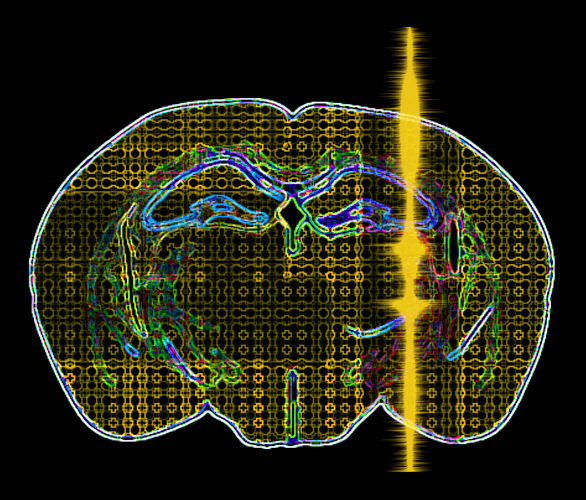
 The numerous brain dysfunctions that are known today can be treated a lot easier if doctors discover them early on and also if they have at their disposal a method of addressing the troublesome brain region directly. The latter part has proven difficult to obtain until now, but recently investigators managed to make considerable headway in the field, according to scientists at the Arizona State University (ASU). Experts here, led by neuroscientist William Tyler, managed to develop a method of stimulating the brain that does not require invasive procedures to complete.
In a paper published in the June 9 issue of the esteemed scientific publication Nature, the researchers describe how using pulsed ultrasounds can help with addressing various issues of the human brain. The team says that this type of stimulation “elicits motor responses comparable to those only previously achieved with implanted electrodes and related techniques,” explains ASU School of Life Sciences expert Yusuf Tufail, who is also the lead author of the Nature paper. In addition to this, the scientist adds, the approach also stimulates action potentials in intact motor cortex – though this has thus far been proven only in unsuspecting lab mice.
“Scientists have known for more than 80 years that ultrasound can influence nerve activity. Pioneers in this field transmitted ultrasound into neural tissues prior to stimulation with traditional electrodes that required invasive procedures. Those studies demonstrated that ultrasound pre-treatments could make nerves more or less excitable in response to electrical stimulation. In our study, however, we used ultrasound alone to directly stimulate action potentials and drive intact brain activity without doing any kind of surgery,” Tufail says. “It is fascinating to witness these effects firsthand,” he adds.
A few of the other therapies that are generally used to address brain dysfunctions include transcranial magnetic and deep brain stimulation, electroconvulsive shock therapy and transcranial direct current stimulation. These cannot really equal the level of precision and efficiency that the new method promises, the expert says. “We’ve come a long way from the observations of Scribonius Largus, a Roman physician in the 1st century A.D. who placed electric torpedo fish on headache sufferers’ foreheads to ease their pain,” Tyler concludes.