 14 DAY TRIAL //
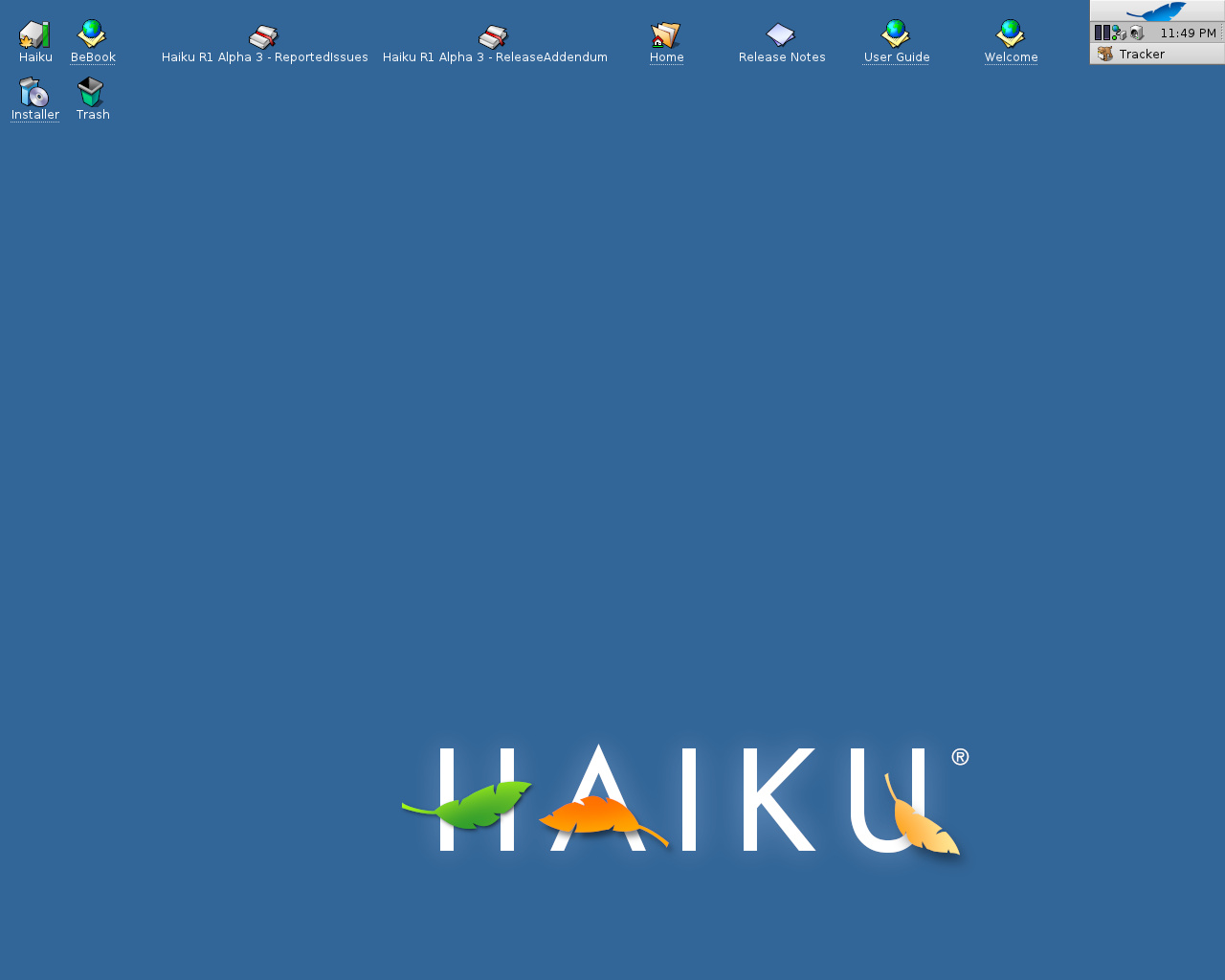
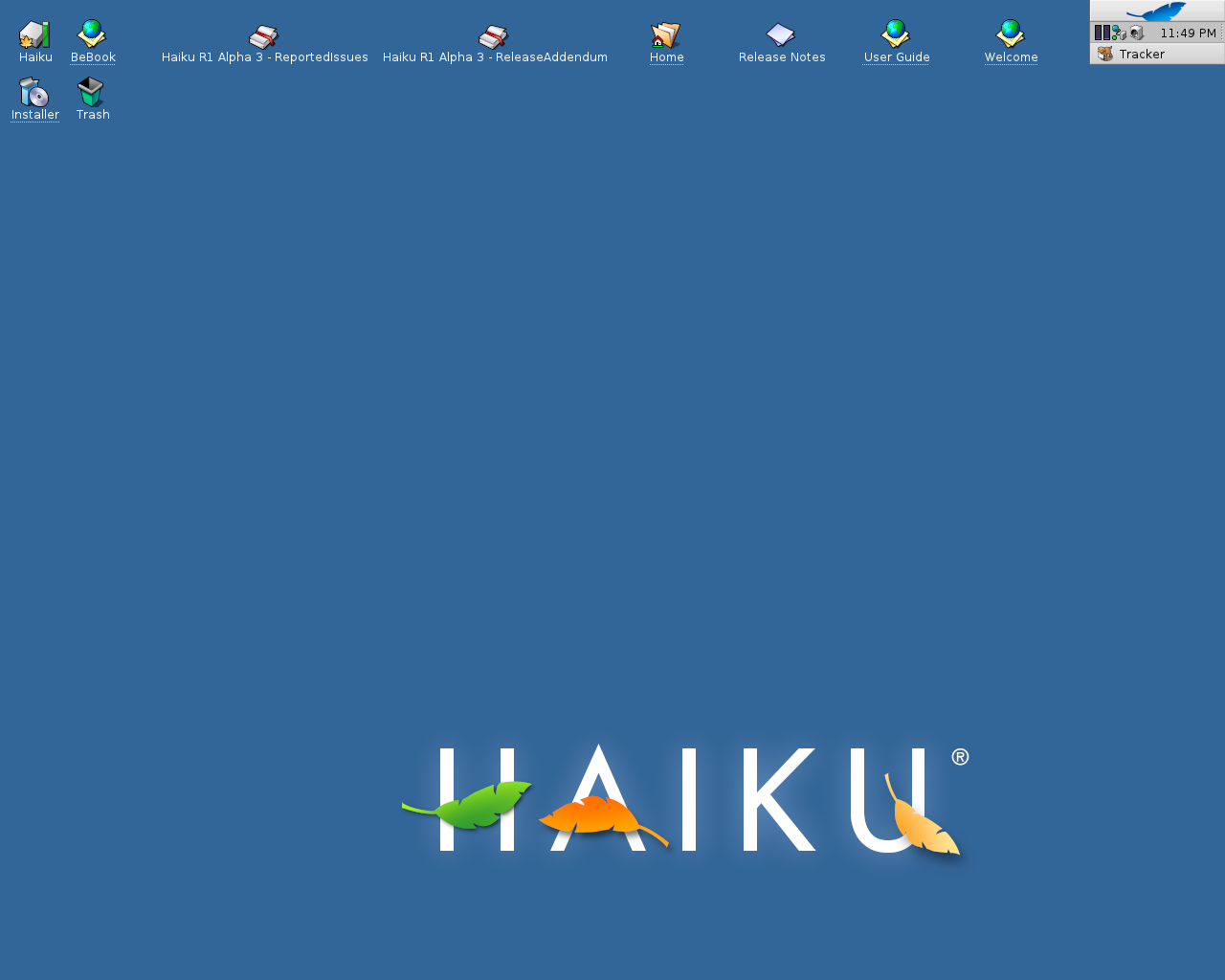
 Alexander von Gluck IV has announced yesterday, November 12, the immediate availability for download and testing of the fourth Alpha release of Haiku Release 1.
The Haiku R1 Alpha 4 release squashes over 1,000 bugs over the previous Alpha 3 release, which was announced back in 2011.
"The Haiku Project is excited to announce the availability of our fourth official alpha release. A year and four months have passed since the Alpha 3 and the Haiku Project has been busy."
"The main purpose of this release is to provide interested third party developers with a stable version for testing and development. To aid with that, Haiku includes a rich set of development tools," Alexander von Gluck IV said in the official release announcement.
Highlights of Haiku Release 1 Alpha 4:
• A more robust BFS filesystem; • Better support for Microsoft's NTFS filesystem; • Improved support for Blu-Ray media; • Better USB OHCI drivers; • Better CPU identification; • Added a 10-band audio equalizer; • Added keymap switcher app; • Added a native debugger app; • Better drivers for network cards; • Better drivers for wireless cards; • Added a new pcnet driver; • Initial support for IPv6; • Mesa 7.8.2 for GCC 2.x; • Mesa 8.1.0 for GCC 4.x; • Support for WPA and WPA2 wireless encryption; • Support for many Radeon HD chips; • Support for many Intel Extreme chips; • Virtual memory settings was improved; • SWAP file creation logic was improved; • Fixed over 1000 bugs; • Lots of updated translations.