 14 DAY TRIAL //
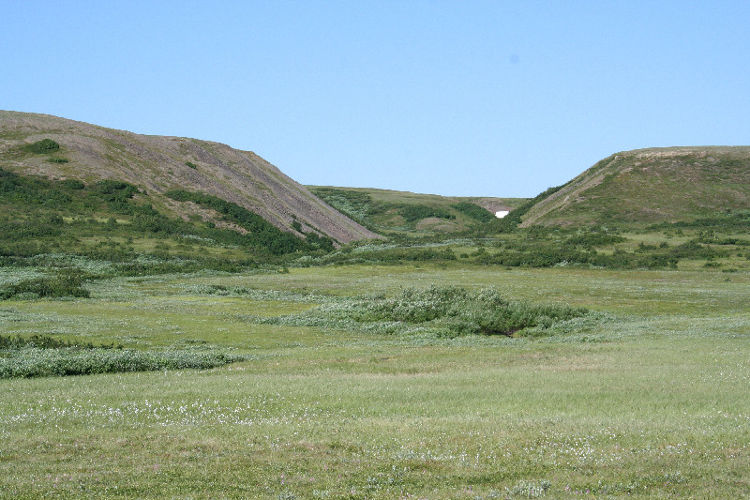
 Tundra vegetation, such as willow and alder shrubs, is currently taking advantage of the effects global warming has on polar regions, and is breaking free of its past growth limitations. The cold used to stunt its growth, but that is no longer the case.
The correlation between size and temperature is known to exist in most planet species, and tundra varieties are no different. Except now, temperatures are changing, as global warming is heating up both the ground – allowing the release of methane stored in permafrost – and the polar oceans.
Harsh weather is no longer preventing shrubs and willow from growing up so, at some locations, the plants have now grown to be as tall as trees. The situation is particularly dire in the Arctic, experts say.
Throughout this area, trees were nearly non-existent three decades ago. The Eurasian tundra displayed a flat landscape, which is no longer visible. Anywhere between 10 and 15 percent of this area is now covered in tree-sized shrubs, which are more than 2 meters (6.6 feet) tall, LiveScience reports.
The tundra the new study focused on spreads between Finland, in the Scandinavian Peninsula, and western Siberia, in Russia. “What we have found essentially is that the growth of these shrubs is really linked to temperatures,” Marc Macias-Fauria explains.
The study researcher holds an appointment with the Biodiversity Institute at the Oxford University. The plants “are reacting to warming temperatures by growing more,” the investigator goes on to say.
The indigenous Nenets were the first to draw attention to this problem, when they reported losing sight of the reindeer they were shepherding through the area, on account of the newly appeared trees.
The difference in plant height is remarkable, since it grew by 100 percent in just 30 years. Previously, shrubs and willow were only 1 meter (3.3 feet) tall at most, completely insufficient to obscure even a juvenile reindeer.
After carefully analyzing climate data, the team found that warm Julys were most favorable to the plants. If they benefited from warmer temperatures during these months, the vegetation displayed the most significant increase in size.
An increase in tundra plant sizes could have important repercussions on the climate, since they would decrease the Arctic's albedo – the amount of sunlight it reflects back into space – further contributing to global warming.
Details of these interactions appear in the June 3 online issue of the top scientific journal Nature Climate Change.