 14 DAY TRIAL //
 This could satisfy both vegans and meat-eaters: lab grown meat.
A Dutch team is trying to grow pork in a lab with the aim of delivering meat for millions without raising and slaughtering animals.
"We're trying to make meat without having to kill animals," said Bernard Roelen, a veterinary science professor at Utrecht University.
"Although it is in its early stages, the idea is to replace harvesting meat from livestock with a process that eliminates the need for animal feed, transport, land use and the methane expelled by animals, which all hurt the environment. Keeping animals just to eat them is in fact not so good for the environment. Animals need to grow, and animals produce many things that you do not eat." he said.
Currently, developed nations consume an average of 43 kg (107 pounds) meat (poultry, beef, pork and others), and the trend is increasing with 2 % annually. The Dutch researchers explained that much of the meat we eat today is extensively processed, from the food of the animals and raising conditions to the way meat itself is prepared.
"I can imagine that some people will have problems with it. People might think it is artificial. But some people might not realize that some part of the meat they eat is artificial." he said.
Similar researches are being made also in the United States, including one funded by NASA looking for a way to grow meat for astronauts during long space missions. Still, these researches will need many years of investigation till we are able to buy lab-grown meat from supermarkets.
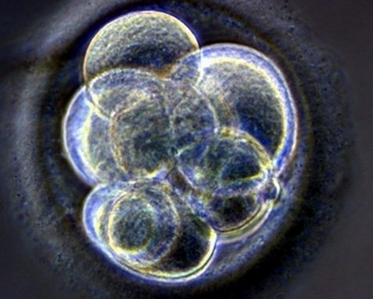
By now, the Dutch team has got just thin cell layers of cells that do not make you think on pork ham. The team employs muscle stem cells, which after that multiply and develop into muscle cells. The new muscle cells are fed and exercised with electric impulses to get volume.
After this stage, the researchers will have to scaffold layer tissues to add more bulk, since lab-grown meat lacks the blood vessels that transport food and oxygen through thick muscle fibers. Fat, too, must be added, to make the meat marketable (it adds flavor).