NEWS CATEGORIES:


NEWS ARCHIVE >>
SOFTPEDIA REVIEWS >>
MEET THE EDITORS >>
Home / News / Linux / First-Look

First-Look


Exclusive First Look: NimbleX 2008

The seven desktops Linux distribution!

By Marius Nestor, Linux Editor

21st of July 2008, 19:08 GMT

Adjust text size:


NimbleX 2008
Enlarge picture
Our good friend and developer of NimbleX, Bogdan Radulescu, gave us an exclusive copy of his new distribution, NimbleX 2008. I was really thrilled this morning when I
saw the e-mail from Bogdan regarding the new version of NimbleX, I immediately downloaded the ISO image and gave it a try, to see what's new. In the following lines, I will share with you my personal thoughts about NimbleX, a small but versatile operating system based on the popular Slackware Linux.

I should begin by letting everyone know that NimbleX is a 200 MB Linux distribution, which can boot from a small 8 cm CD, a flash memory like USB flash drives and even MP3 players. Because it runs entirely from a CD or USB, it doesn’t require installation or even a hard drive. NimbleX was build with the help of Linux-live scripts. The beauty of it is that, even if small, it has a beautiful graphical interface and also a lot of built-in software for browsing the Internet, writing documents, listening to music, playing movies and much more. You even have basic server functionality.

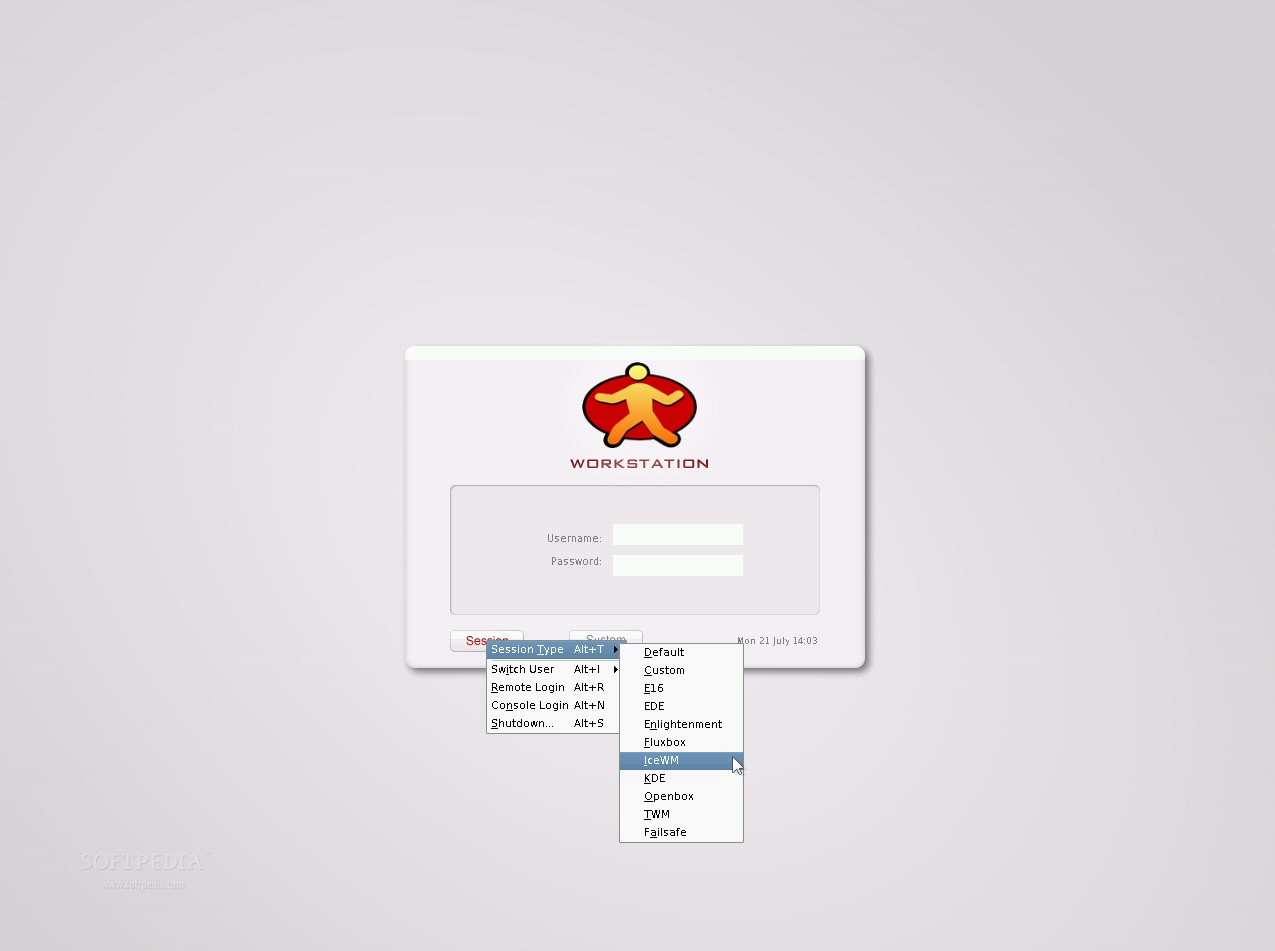
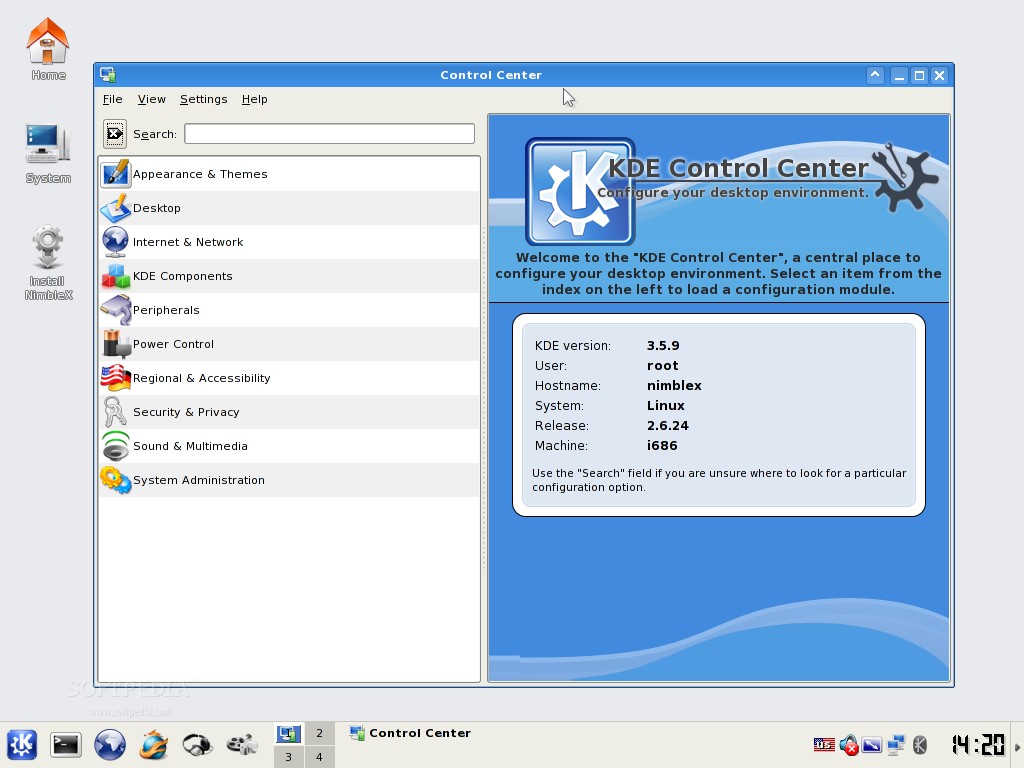
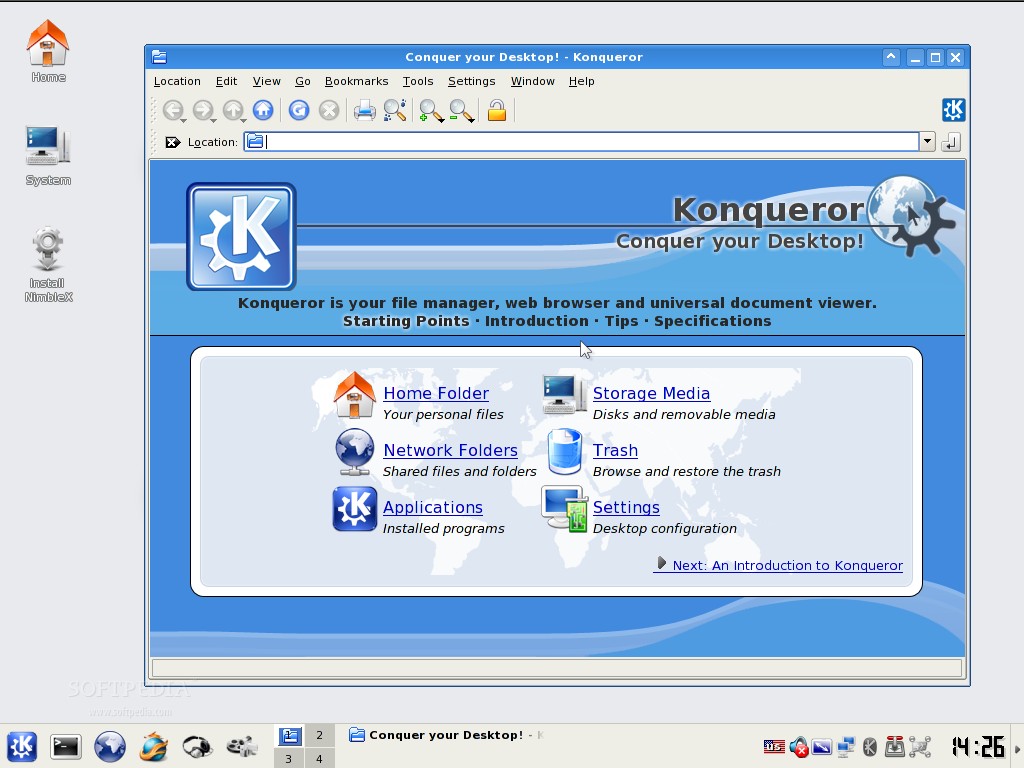
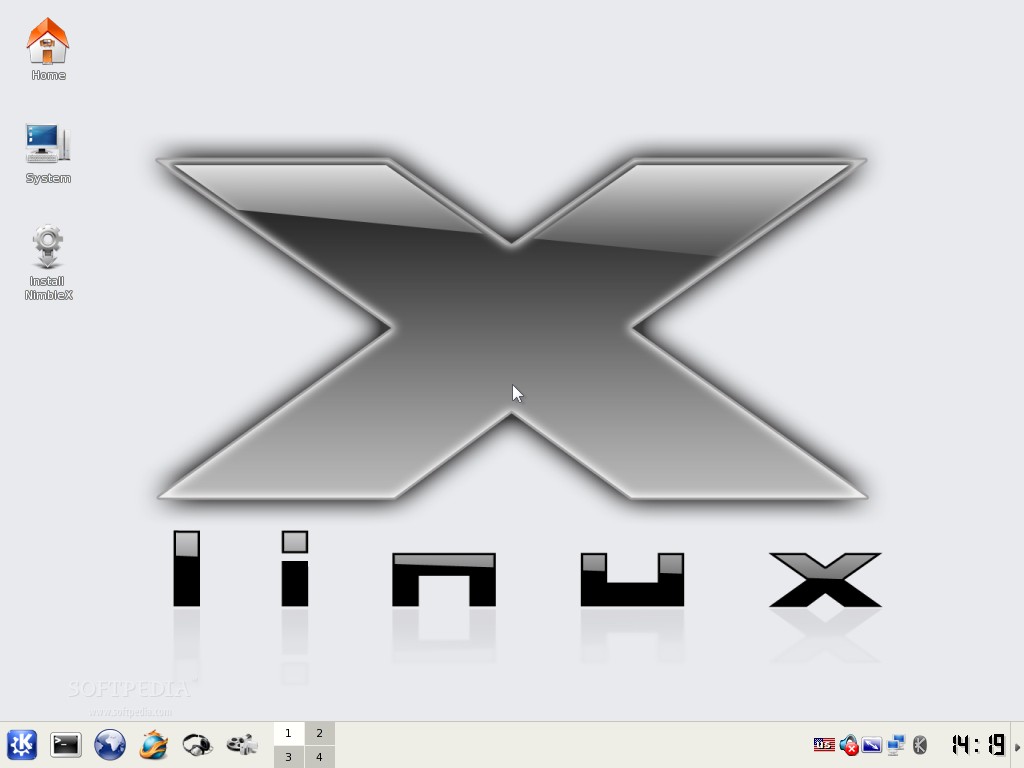
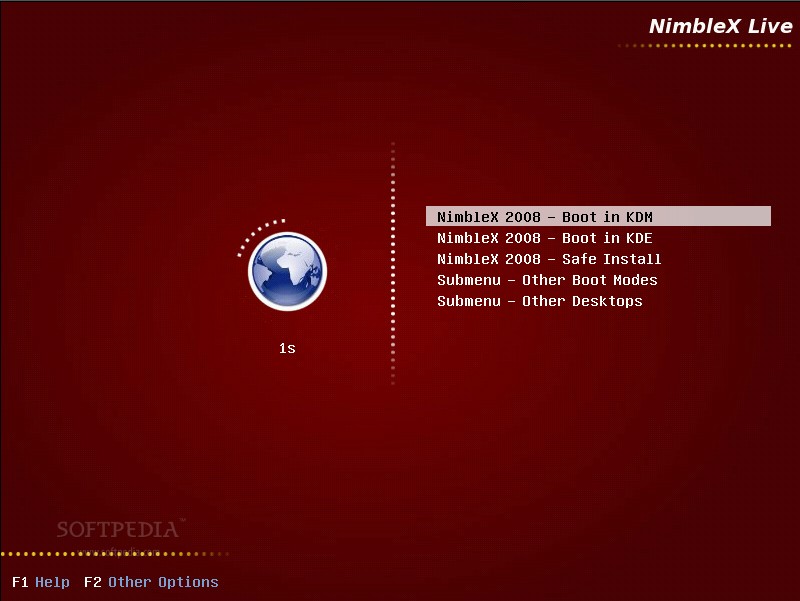
I've burned the 200 MB ISO on a blank CD and inserted it in one of our available PCs, here at the Softpedia Labs. I was surprised when I saw that the graphical boot loader is similar to the openSUSE one, and I must admit that it's quite eye candy. Hitting Enter on the first option will get you to a KDM (KDE's Login manager) screen, where you must input the user 'root' and password 'toor'. After this, you will enter into KDE, NimbleX’s default desktop environment, but from KDM you can also select a different window manager if you are not a KDE fan.
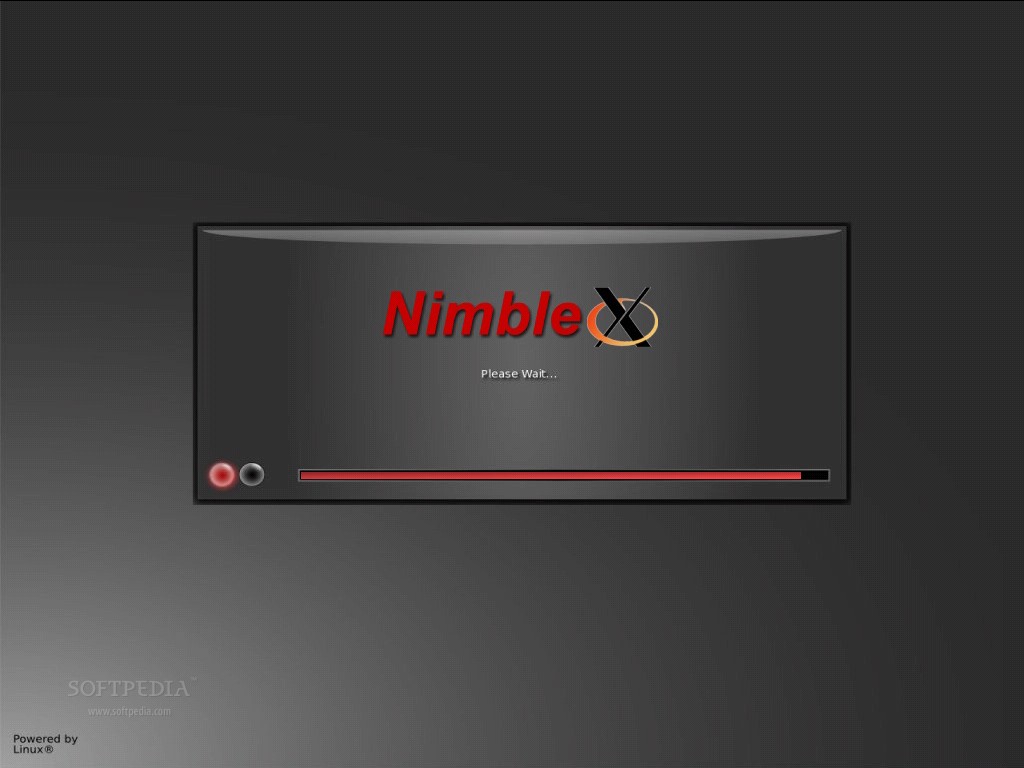
Review imageReview image
The new NimbleX boot loader and boot splash


I was quite upset to see that Bogdan still uses KDE 3.5 and not KDE 4. However, after a phone conversation with him, I was informed that, because of the bugs in the actual release of KDE 4 (4.0.5), it's not usable for the end user. Well, he's right on this one!
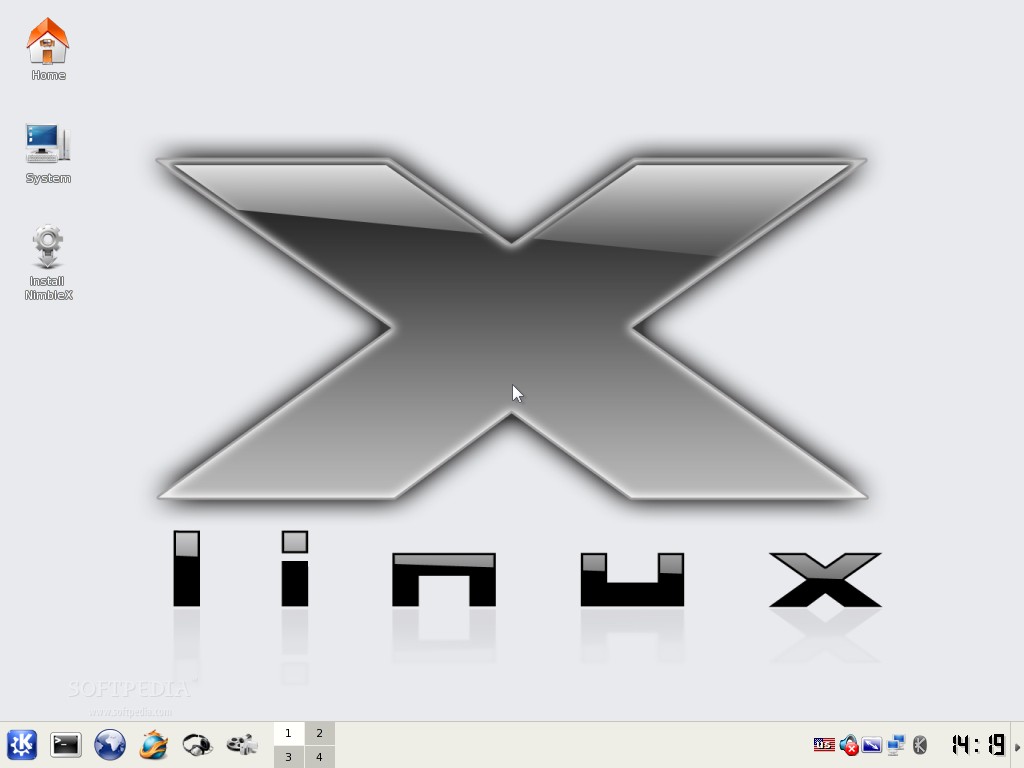
Review image


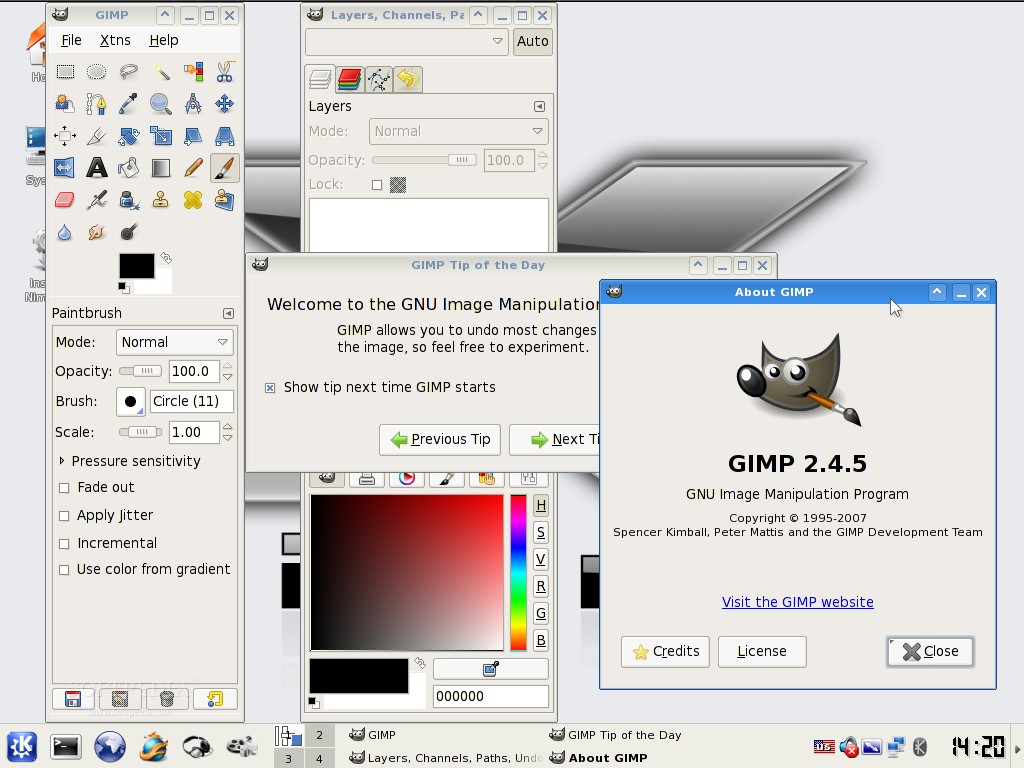
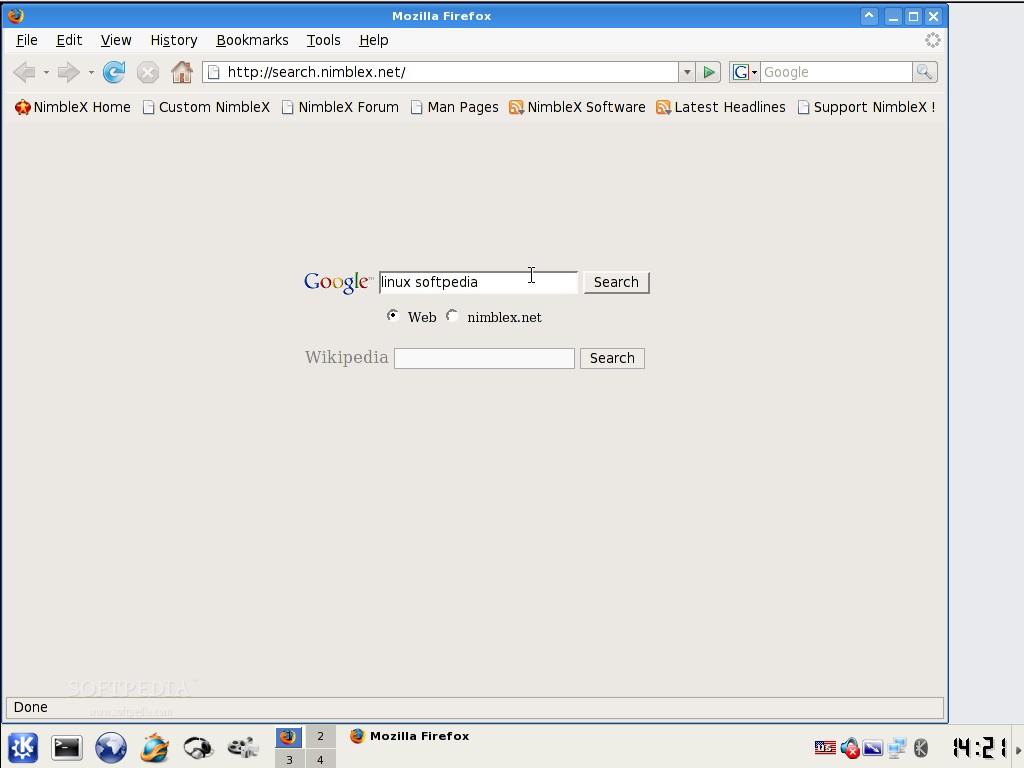
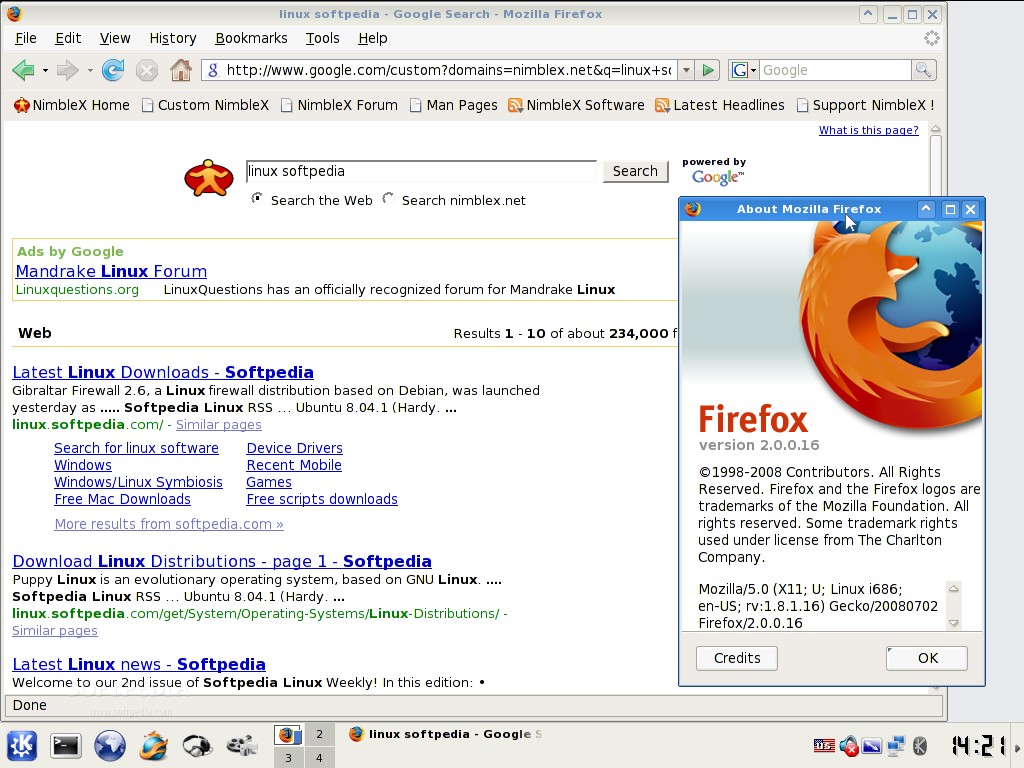
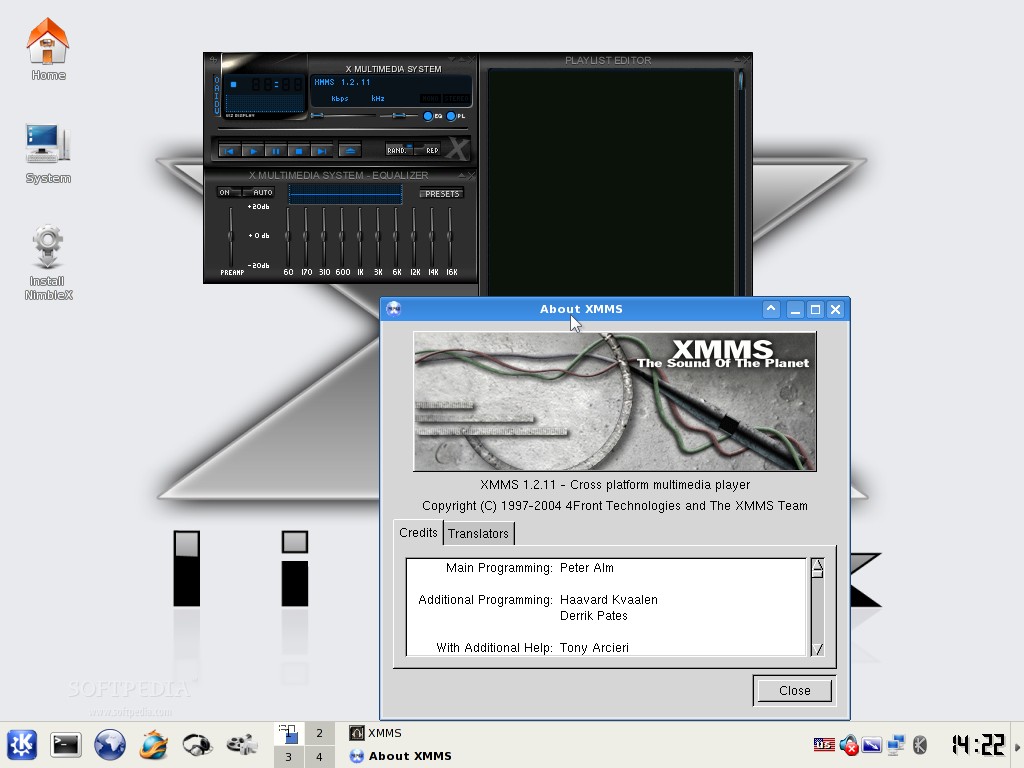
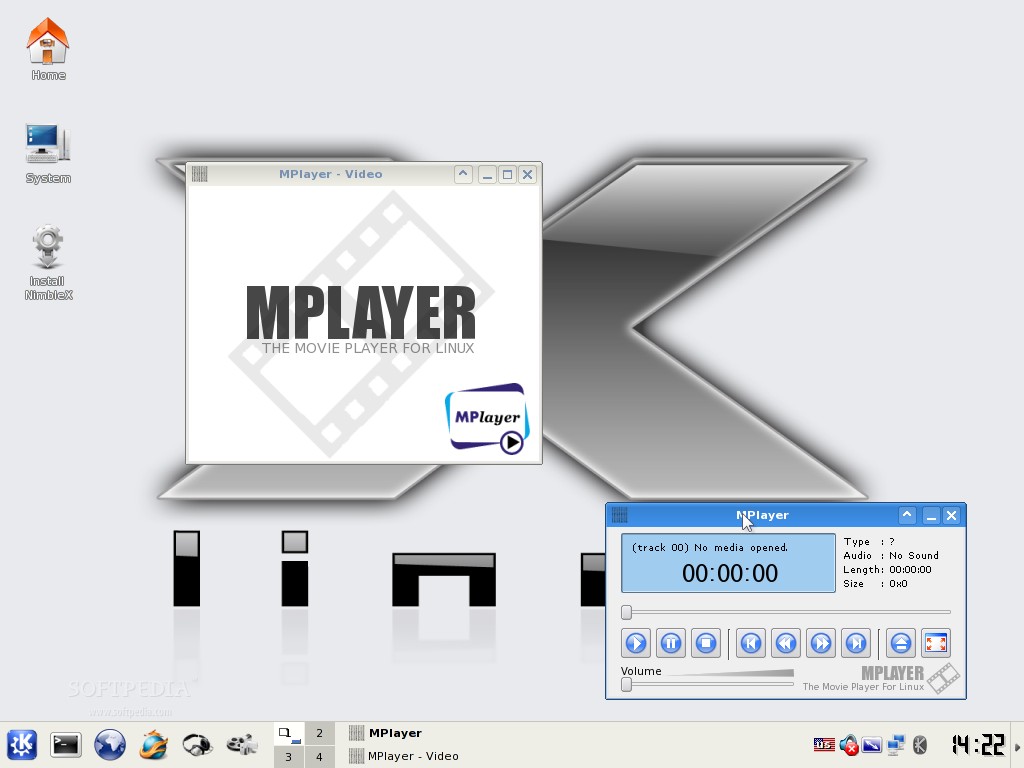
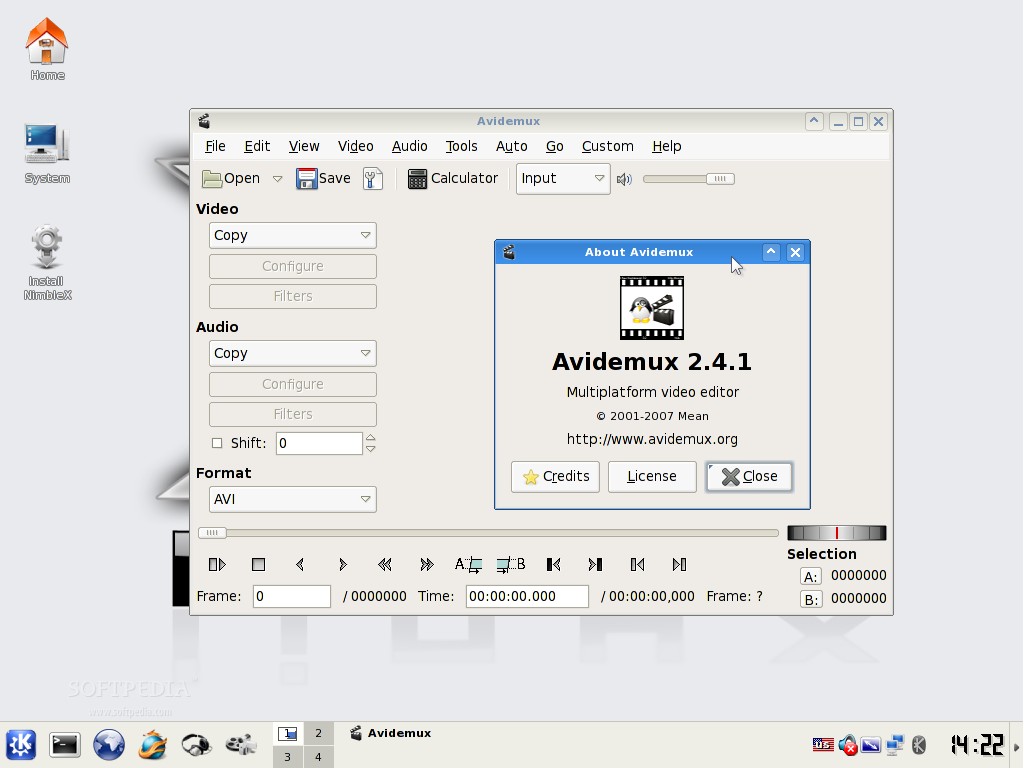
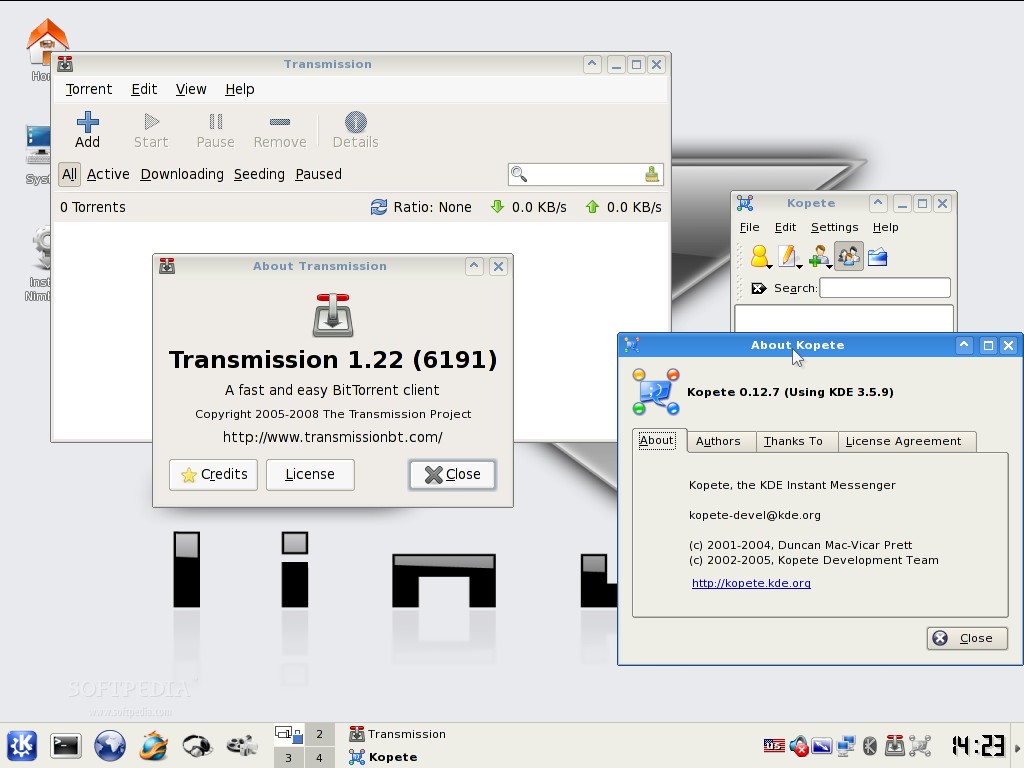
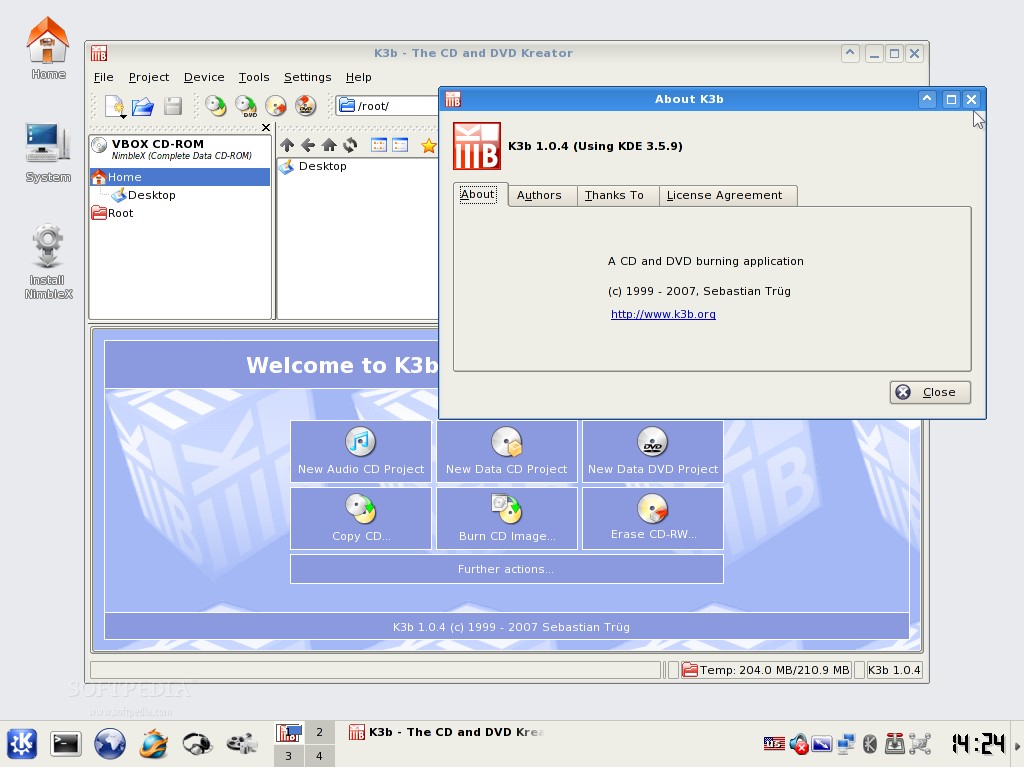
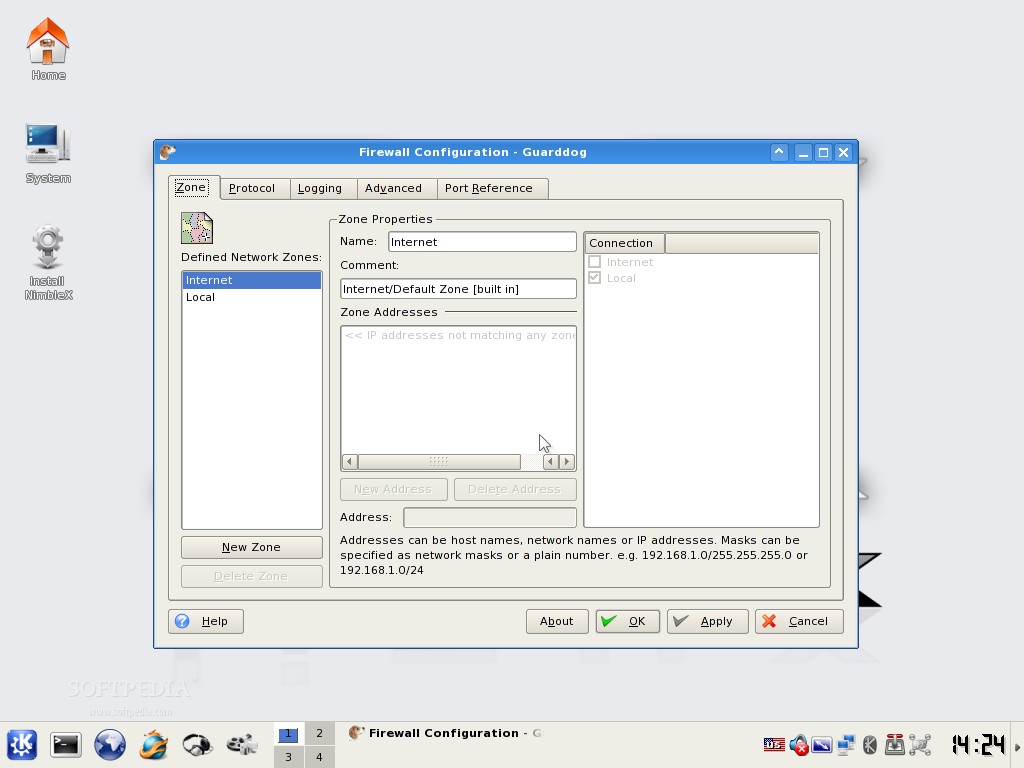
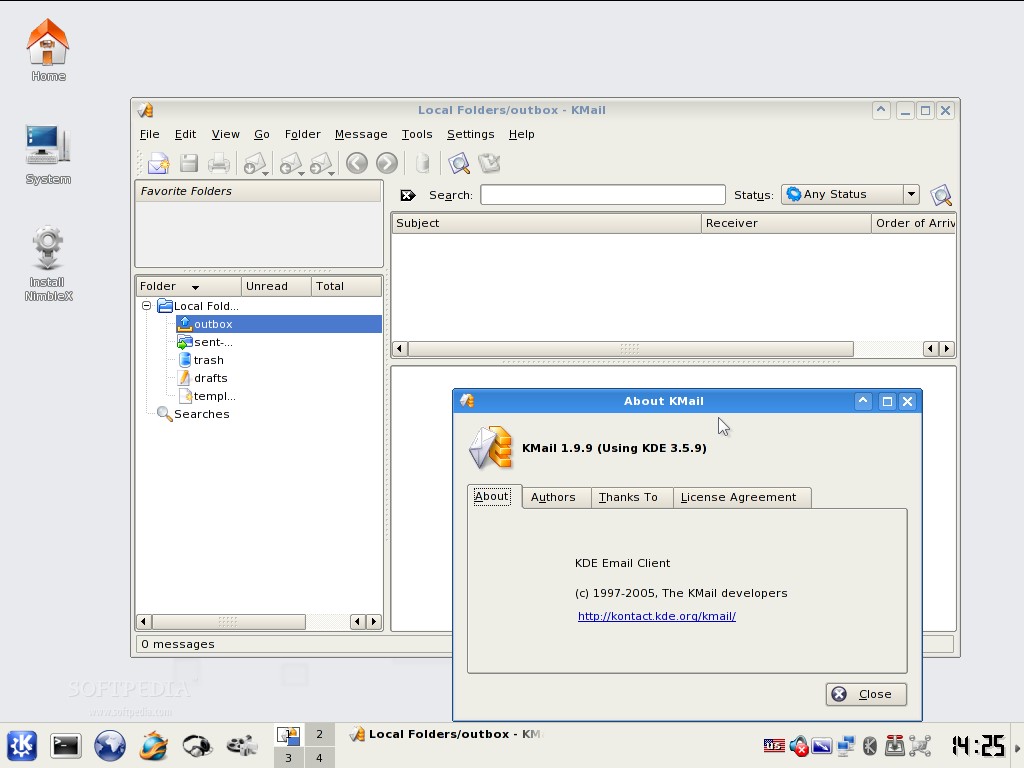
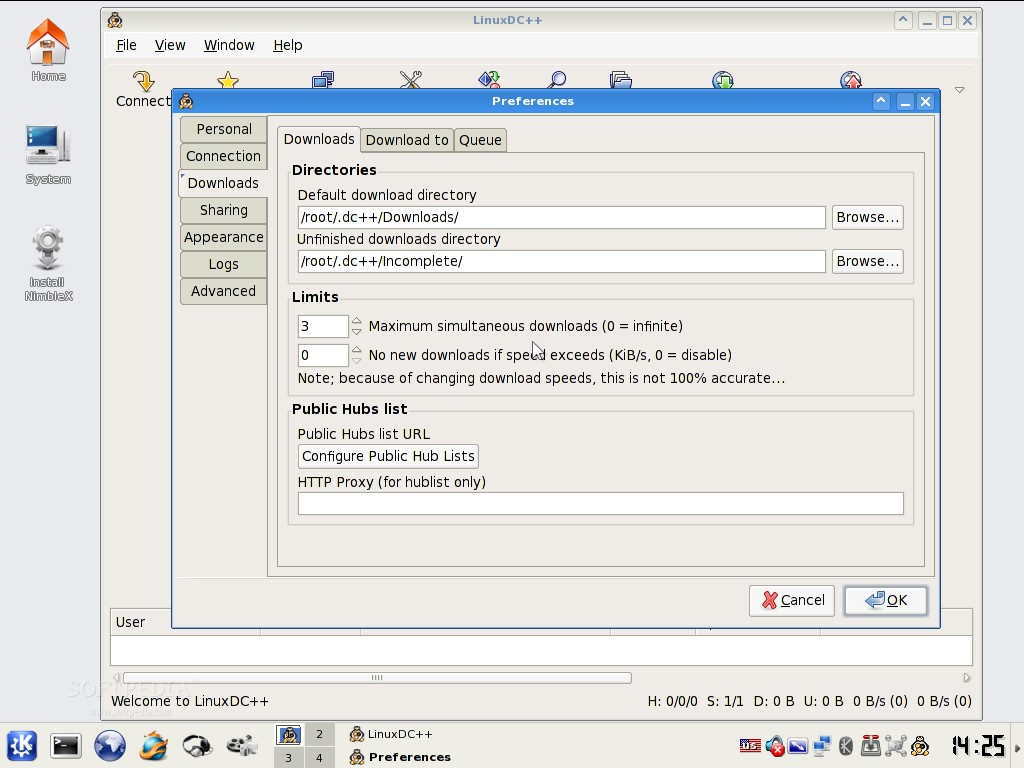
The following is a screenshot tour of NimbleX's KDE desktop, where you can see the same wallpaper from the previous edition, and a few popular applications such as:

• The GIMP 2.4.5 (versatile image editor)
• Mozilla Firefox 2.0.0.16 (powerful web browser)
• XMMS 1.2.11 (audio/radio stream player)
• MPlayer 1.0 (video player)
• Avidemux 2.4.1 (powerful video editor)
• Transmission 1.22 (BitTorrent client)
• Xine 0.99.5 (video player)
• K3b 1.0.4 (CD/DVD burning application)
• Guarddog (Firewall configuration tool)
• LinuxDC++ 1.0.0 (DC++ client)
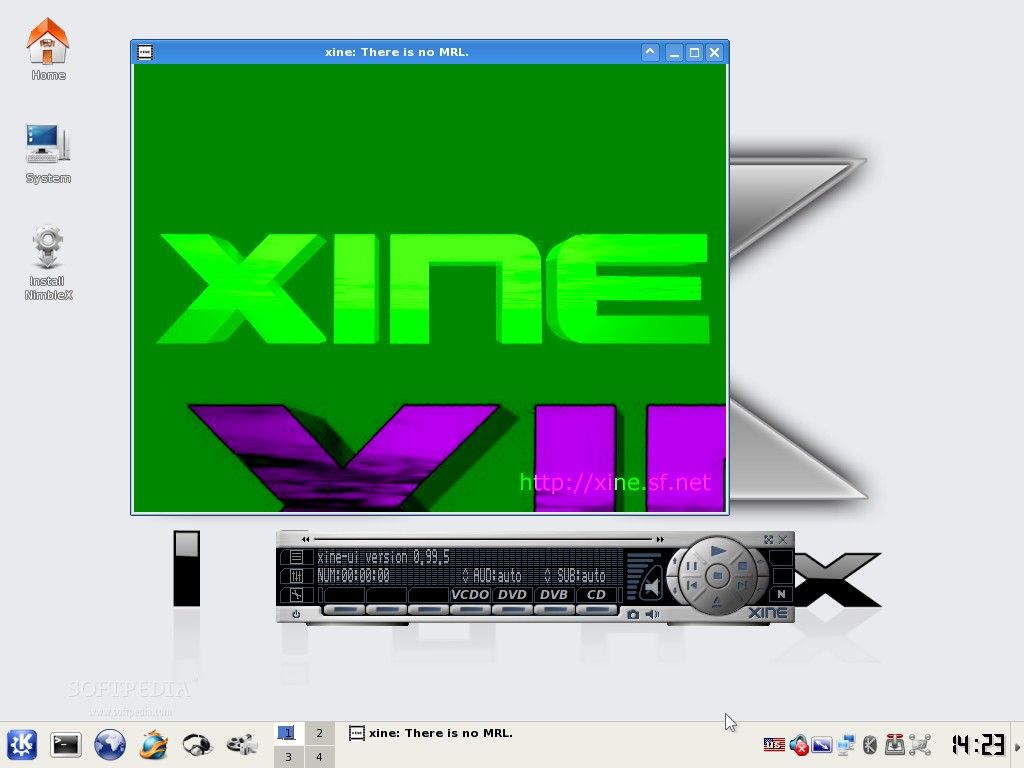
Review imageReview imageReview imageReview imageReview image


Review imageReview imageReview imageReview imageReview image


Review imageReview imageReview imageReview imageReview image


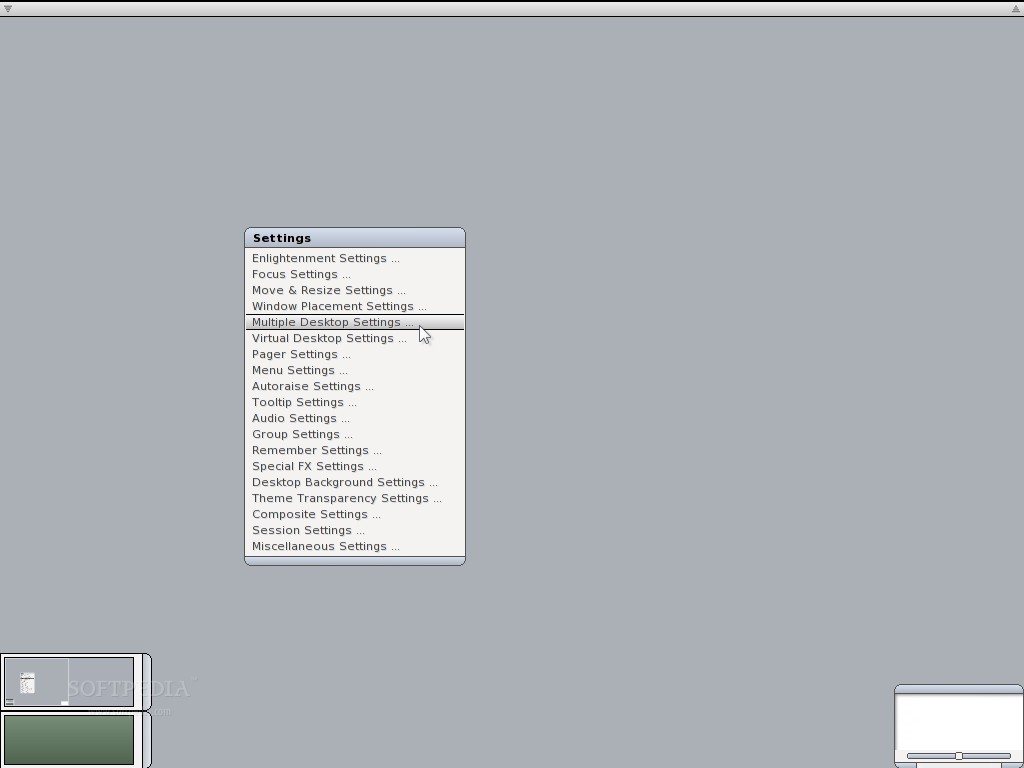
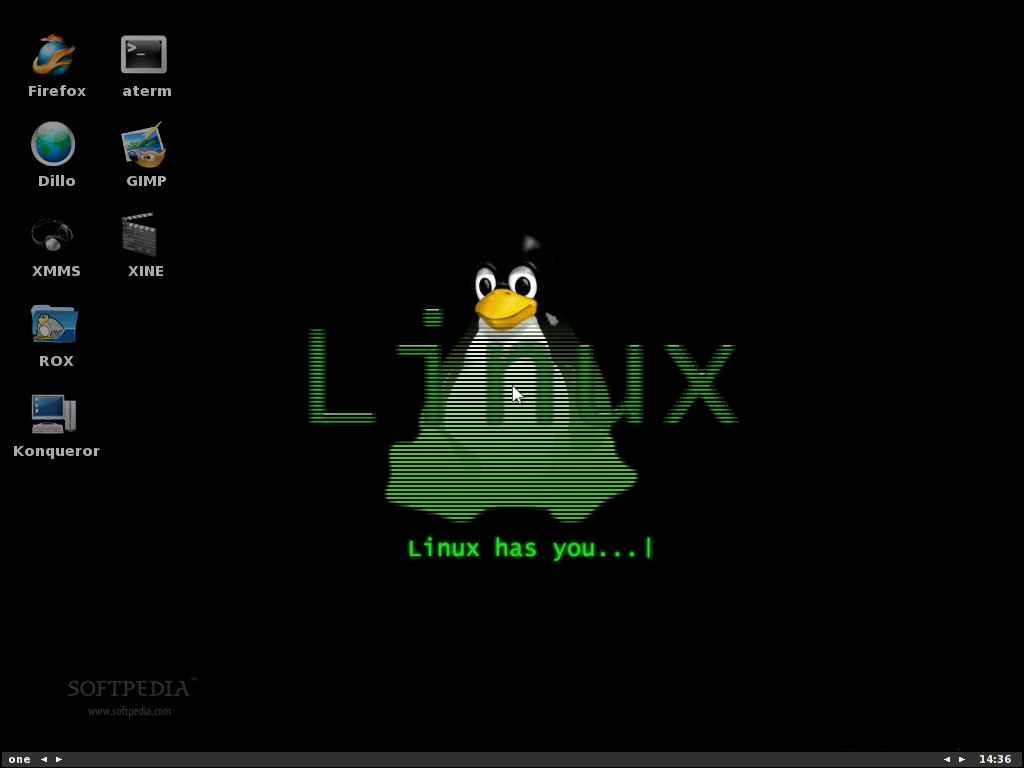
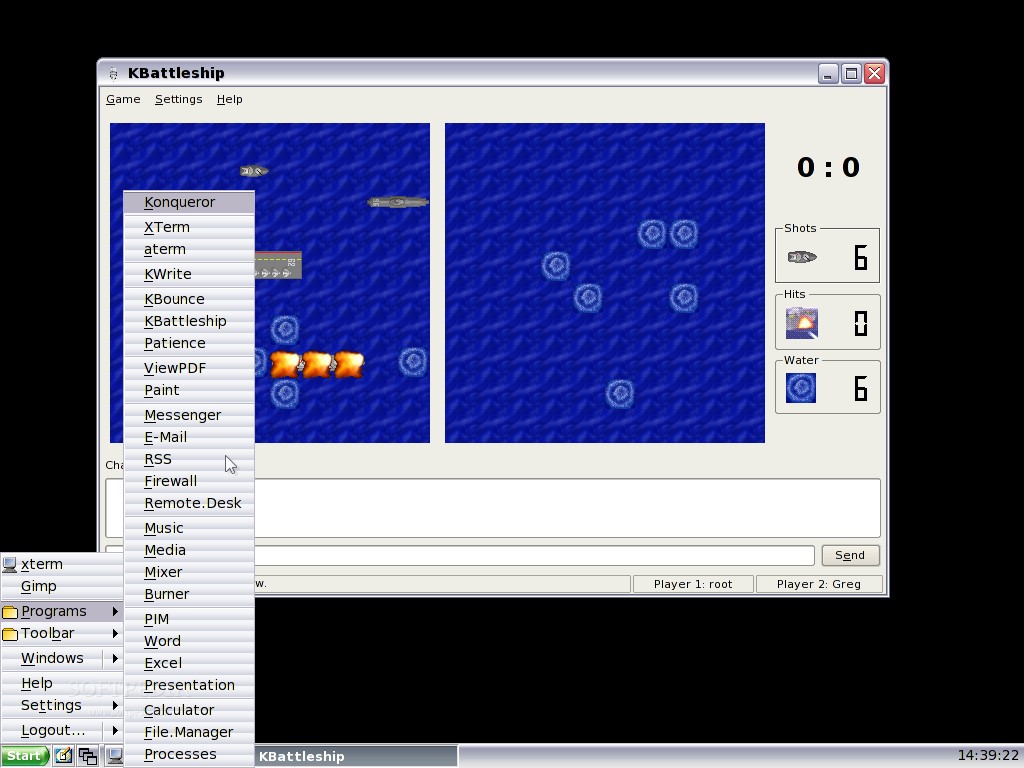
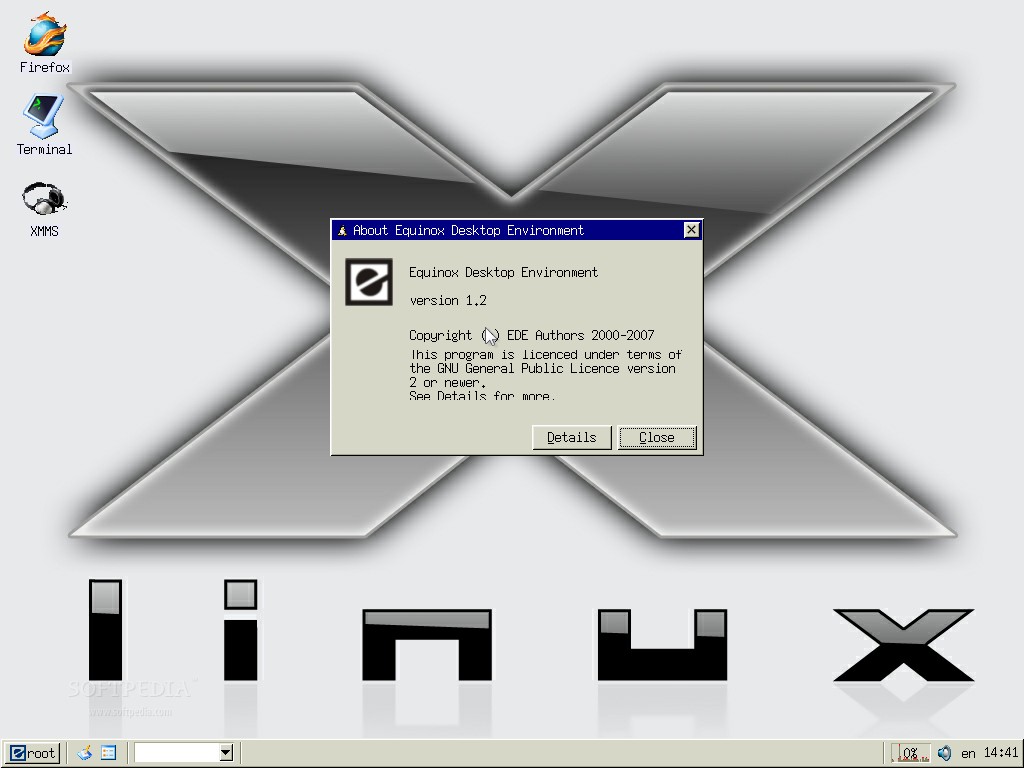
As I've mentioned above, the first option on the boot loader (Boot in KDM) will get you to the KDM login manager (where you must input a username and password to enter the KDE desktop), but the second option (Boot in KDE) will do the same thing, except that it will not ask you for a username and password. The advantage of the 'Boot in KDM' option over the 'Boot in KDE' one, is (as I've already mentioned) that it will let you access other desktops than KDE. And here is the strong point of NimbleX 2008, that it uses no more than 7 (seven) desktops/window managers in 200 MB! Amazing, isn't it?

Bogdan Radulescu managed to inject seven window managers in a 200 MB Linux distribution, dethroning GoblinX, which has five desktops in about 350 MB ISO image.
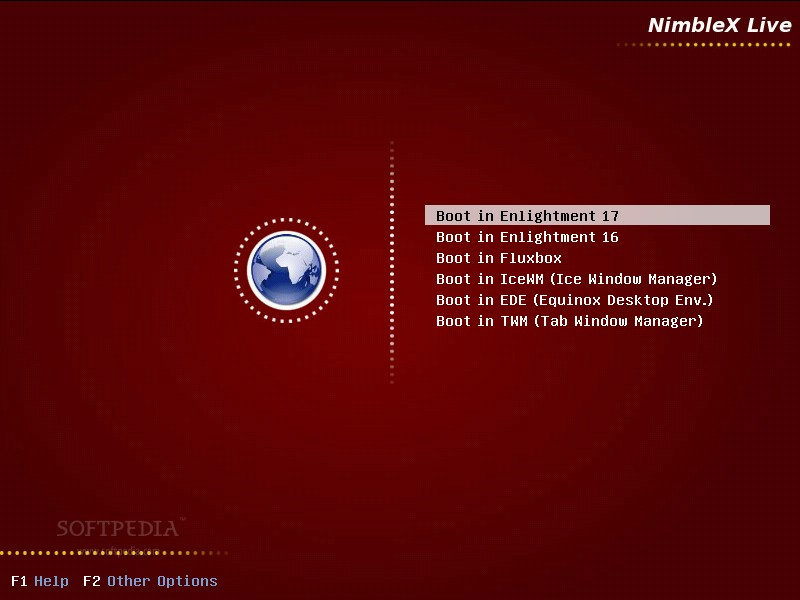
Review image


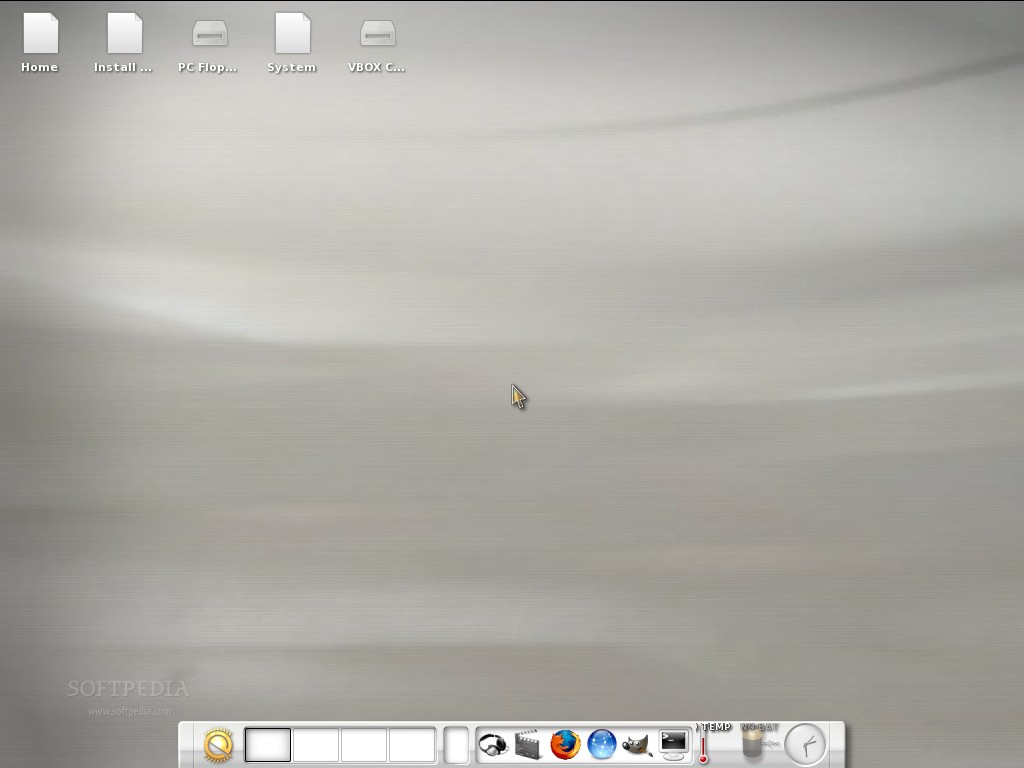
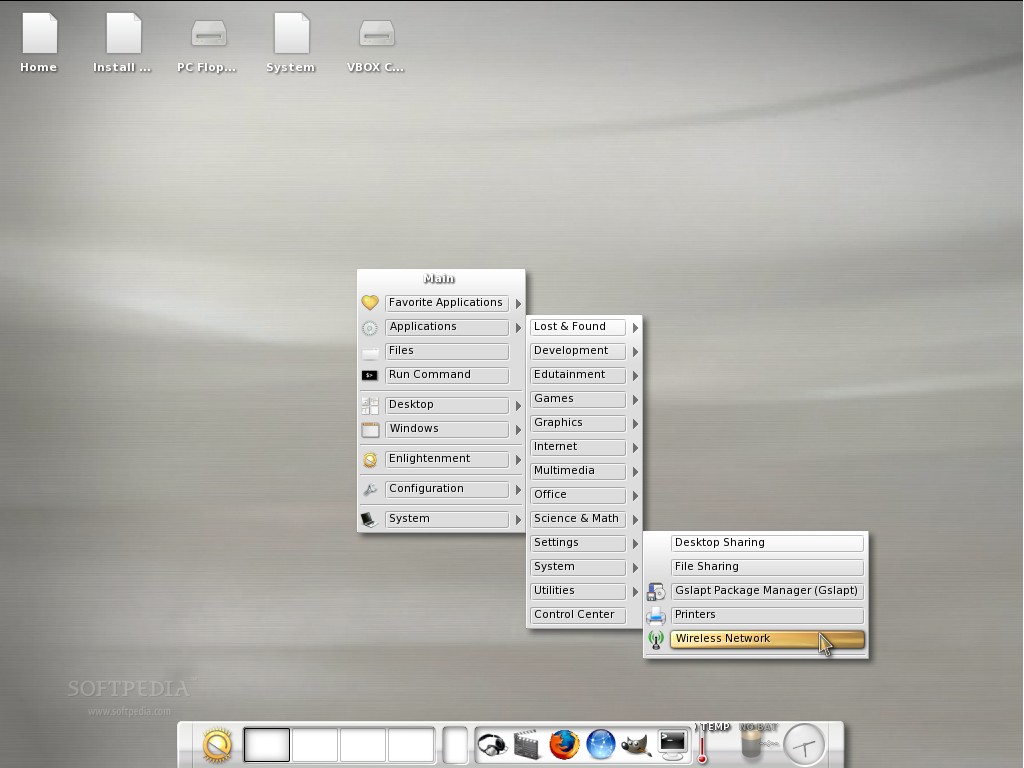
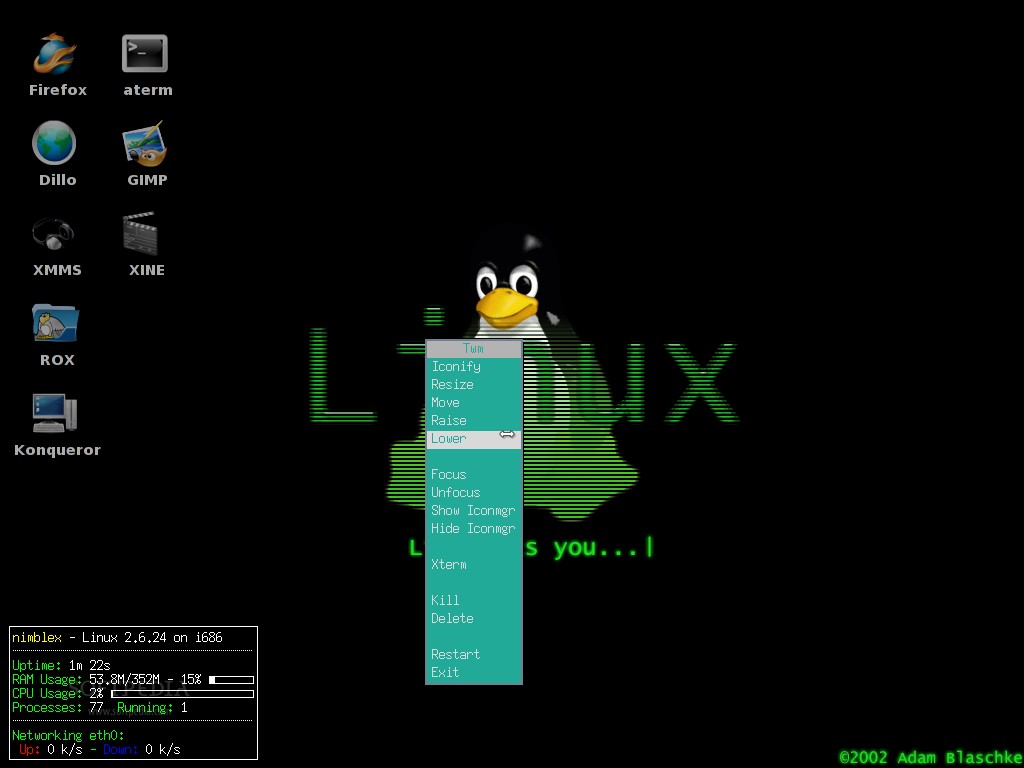
The desktops of NimbleX are:

Review imageReview image
Enlightenment 17


Review image
Enlightenment 16


Review image
Fluxbox 1.0.0


Review image
IceWM - Ice Window Manager


Review image
EDE - Equinox Desktop Environment


Review image
TWM - Tab Window Manager


For those of you who want to install NimbleX on an USB stick or a hard drive, you should know that it provides such an installer. The problem is that the installer is still in development and will not allow you to install NimbleX on an empty hard drive, but it will work very well if you have a Windows XP installation or another Linux distribution that uses GRUB. No problems with the USB installer!

In conclusion, NimbleX works very well, contains a lot of useful applications and window managers (desktops) for all tastes... and that's the most important thing. Download NimbleX 2008 right now from Softpedia.

TAGS:

NimbleX 2008 | Linux distribution | Slackware Linux | open source
Read by 6,320 user(s) | Add comment | Link to this article TWEET THIS


Article rating:
Excellent (5.0/5) 4 vote(s)    

Subscribe to news | Print article | Send to friend

© Copyright 2001-2009 Softpedia
Contact:


SEARCH THE NEWS ARCHIVE :


Today's News
| Yesterday's News | News Archive


MORE RELATED ARTICLES:


Softpedia Linux Weekly, Issue 3

CentOS 5.2 i386 LiveCD Launched

Gibraltar Firewall 2.6 Launched

Available Now: SliTaz Cooking

BLAG 90000 Powered by the Linux-libre Kernel

The First Release Candidate of KDE 4.1 Now Available

Kernel Vulnerability in Ubuntu 8.04, 7.10, 7.04 and 6.06 LTS. Upgrade Now!

User opinions:


Comment #1 by: Pax on 29 Dec 2008, 07:25 GMT reply to this comment

The hard drive install worked fine for me on an unformatted drive. I think you might have been confused by the wording - which is where the fix needs to be. Option 1 means what it says. Option 2 means you can automatically install to the Hard Drive too. Option 2 just happens to leave that info out and focus on USB installs. When you click next, the information becomes clearer.

Also, there are alot of distros out there that are monsters, requiring gigs of memory and super-fast CPUs in order to get a snappy system. I've been looking at a number of light-weight distros in the hopes of finding something that will run extremely fast on modern hardware but also remain feature-rich. Distros like Puppy and DSL, while fast, don't have the features. SliTaz is also very fast but having trouble installing it, I can't make a determination as to whether it can be used as an everyday OS for ALL my needs. There's also the commercial embedded SplashTop with incredible boot times.

I just recently installed NimbleX-2008 and I'm very excited that there's at least one developer dealing with the problem of bloated OSes. With the arrival of netbooks and mids, I'm looking for a single OS that I can run on multiple devices (from a low-powered handhelds to a high-powered desktops) without losing access to the latest software and hardware technologies. I also need to review Slax again and compare it with NimbleX.

In the end, it's not about the size of the distro (200mb, 600mbs, etc) or what applications are installed (since you can always install them) - it's about how fast it can boot, how responsive it can be, that installing or uninstalling hundreds of apps is beyond simple and issue-free, that system updates (ie, version 3.x to version 5.x) are beyond smooth, that all the 'space-age' hardware is supported. It's about the computer working for US and not the other way around spending endless hours tweaking the system.

I hope that more distro developers focus on speed optimizations for modern hardware as opposed to working on distros that can run on hardware that's 15 years old. The two are not mutually inclusive since modern hardware has so many additional specs (wireless, card readers, etc..).

NimbleX is on the right path and the current system looks and feels exceptional.

Share your opinion:

Your Name:
Your Email Address:
(will not be used for commercial purposes)
Solve this to prove you're not a bot: =
Your review/opinion:


Windows tabGames tabDrivers tabMac tabLinux tabScripts tabMobile tabHandheld tabGadgets tabNews tab

SUBMIT PROGRAM   |   ADVERTISE   |   GET HELP   |   SEND US FEEDBACK   |   RSS FEEDS   |   ENTER NEWS SITE   |   ENGLISH BOARD   |   ROMANIAN FORUM