 14 DAY TRIAL //
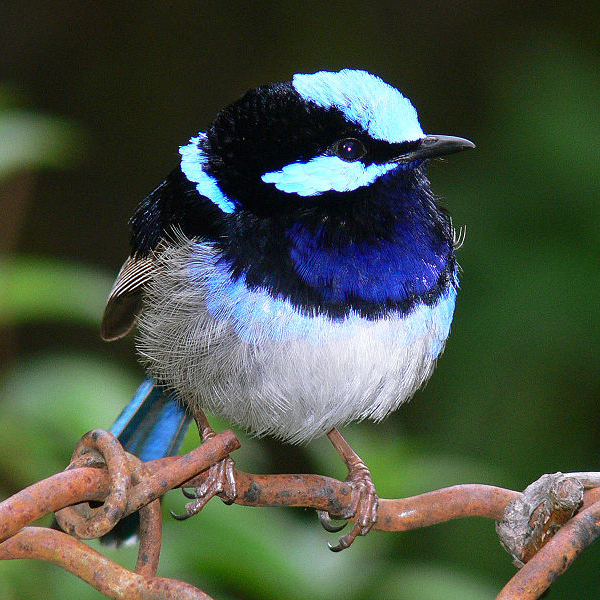
 Living in dangerous habitats forced some bird species to develop unusual defense mechanisms, including being able to recognize the alarm signals given off by other species, when they encounter danger. This was proven by scientists at the Australian National University in Canberra, who observed the behavior of the fairy-wrens (Malurus cyaneus) after they were subjected to distress calls emitted by other species.
The team, led by behavioral ecologist Robert Magrath, showed that the fairy-wrens were able to identify the danger in the "voices" of scrubwrens and took evasive actions. However, when they were subjected to sounds recorded from idle galah (Cacatua roseicapilla), which were not in any immediate danger, the fairy-wrens did not react in any way.
In a second stage of the study, the team installed acoustic installations in a forest populated by M. cyaneus and played the frightened sounds of scrubwrens. The birds did not react in any way, which led researchers to believe that the fairy-wrens have to learn this behavior first-hand, in that they must hear the alarm sound, and then associate it with the physical presence of a predator.
The study "suggests that they can learn about calls that are very different from their own. It's the difference between learning two similar European languages and learning Thai," Magrath explained. "Animals that get eaten need to be attuned to things that give them information about predators. Learning enables them to be sensitive to changes in their environment, to anything that predicts a threat," added University of California animal communication and conservation behavior expert, Dan Blumstein.
This discovery prompts ecologists worldwide to revise their protocols on releasing captive birds back into the wild. If they are unaccustomed to the dangers of living in natural habitats, uncontrolled by man, they could easily fall to predators. Being able to identify and process alarm signals from other species besides their own will undoubtedly constitute a great advantage.